
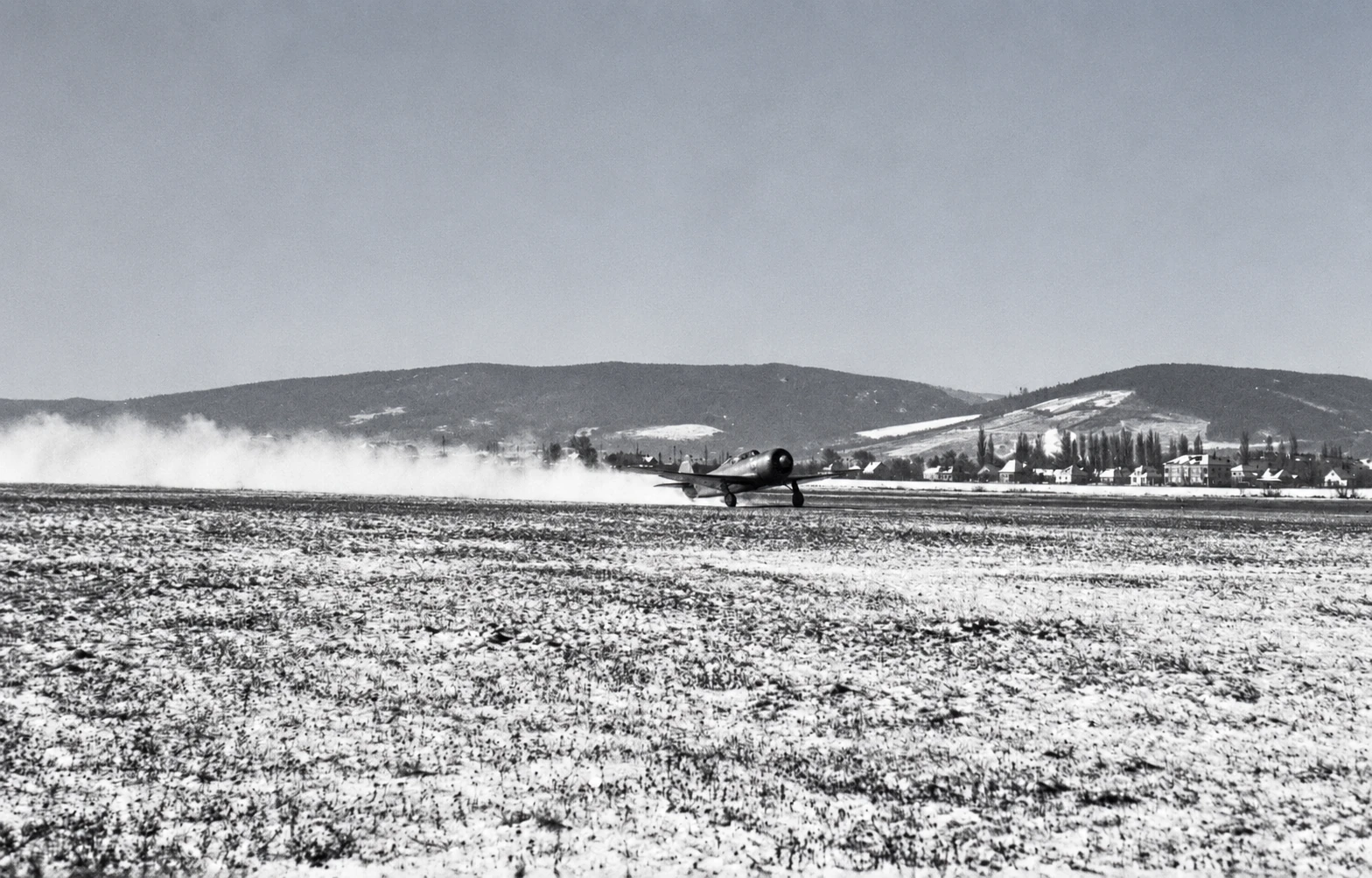
It was after the war, which had shattered or changed everything. I imagine that immediately after liberation in May 1945, glider pilots dug out gliders hidden somewhere in a shed and went flying.
Hlinka Guards became communists, and men exempted from military service became commanders of partisan units. The pre-war structures of Czechoslovakia, including Aeroclubs, gradually began to re-emerge. Some passages in the Košice Government Programme were probably underlined in red; defence was certainly among them.
Czechoslovakia, which was going to build peace in unbreakable unity… well, you know with whom, would need plenty of fighter pilots and fighter-bomber pilots. The Party and the government decided to invest heavily in their preparation and training. The necessary funding, new Czechoslovak training aircraft, a comprehensive training system, management structures in the form of regional Aeroclubs, colonels of the Czechoslovak Air Force… and on the other side, hundreds of young people who dreamed of flying.
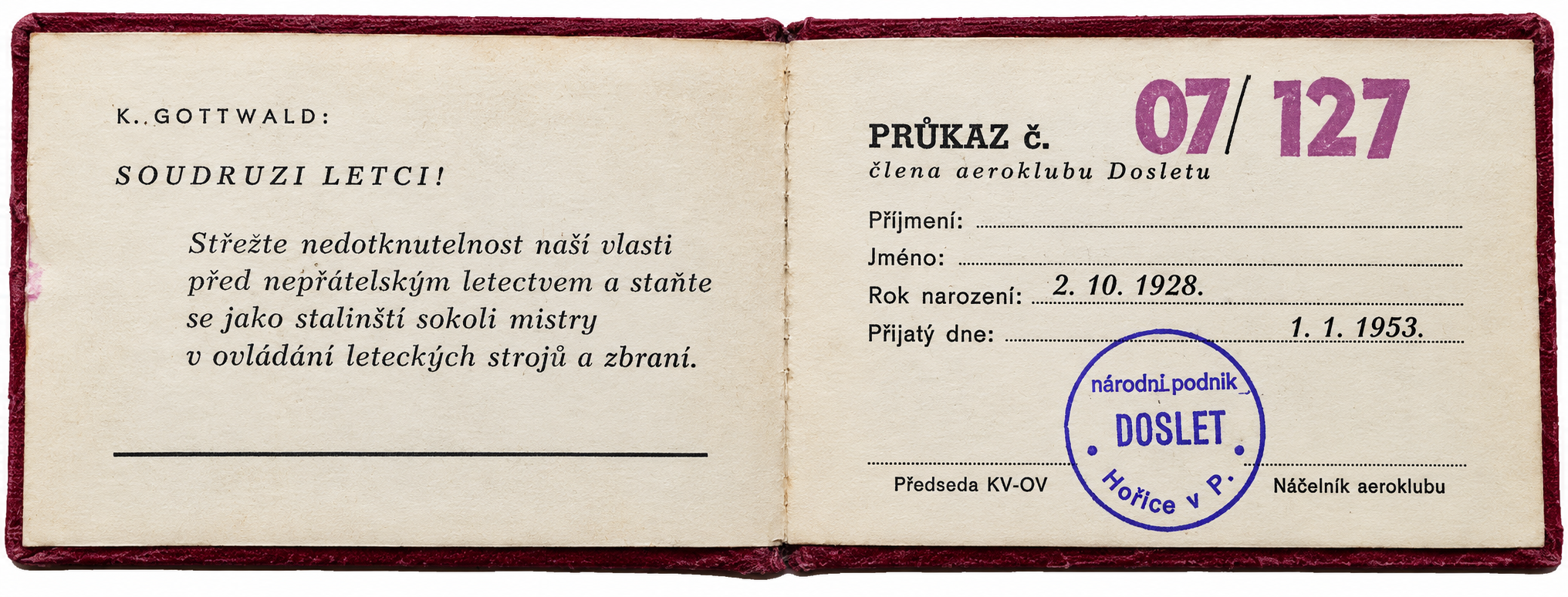
K. Gottwald: Comrade airmen!
Guard the inviolability of our homeland against enemy aviation and, like Stalin’s falcons, become masters in the operation of aircraft and weapons.

The old hands called the 1950s and 1960s the golden age of sport flying. Undoubtedly it was, but every subsequent post-war generation flew less than the previous one. The changes of 1989–1990 brought things close to collapse.
Gone were the Aeroclub chiefs and regional Aeroclub chiefs who decided every pilot’s fate. What they would fly, what they would not, and whether they would fly at all. New faces arrived, owners of security companies who fancied some leisure activities on a Wednesday morning, company owners, and after their ranks had thinned themselves out, it was “business as usual”.
In 1991, Zväzarm was renamed the Association of Technical Sports, and after that, nobody really cared about it any more. Aircraft were where the biggest change came: fabric-wrapped scaffolding braced with steel cables and powered by Trabant engines gradually began making tentative appearances at airfields. People kept improving these contraptions until they eventually became aircraft, sorry – ultralights with performance that surpassed any General Aviation aircraft.
Now for a few facts:
- June 1945 – a preparatory committee was formed to restore the Slovak National Aeroclub (SNA), chaired by Ferdinand Trebichavský.
- August 1945 – the Slovak National Aeroclub was established at Bratislava’s Carlton Hotel. Its first chairman was Kornel Filo, a post-war Democratic Party politician and member of the Board of Commissioners. Following the events of February 1948, he fled into exile.
- 20 October 1946 – the inaugural general assembly of the Aeroclub of the Czechoslovak Republic took place at Prague’s Municipal House. It brought together the Czech National Aeroclub, the Moravian-Silesian Aeroclub and the Slovak National Aeroclub.
- 27 February 1948 – the Action Committee of the Aeroclub of the Czechoslovak Republic was established; in this case, the word “action” really fits.
- 7 July 1951 – the inaugural meeting of the Czechoslovak Union of People’s Aviation was held, replacing the Aeroclub of the Czechoslovak Republic.
- 2 November 1951 – DOSLET, the Voluntary Union of People’s Aviation, was founded.
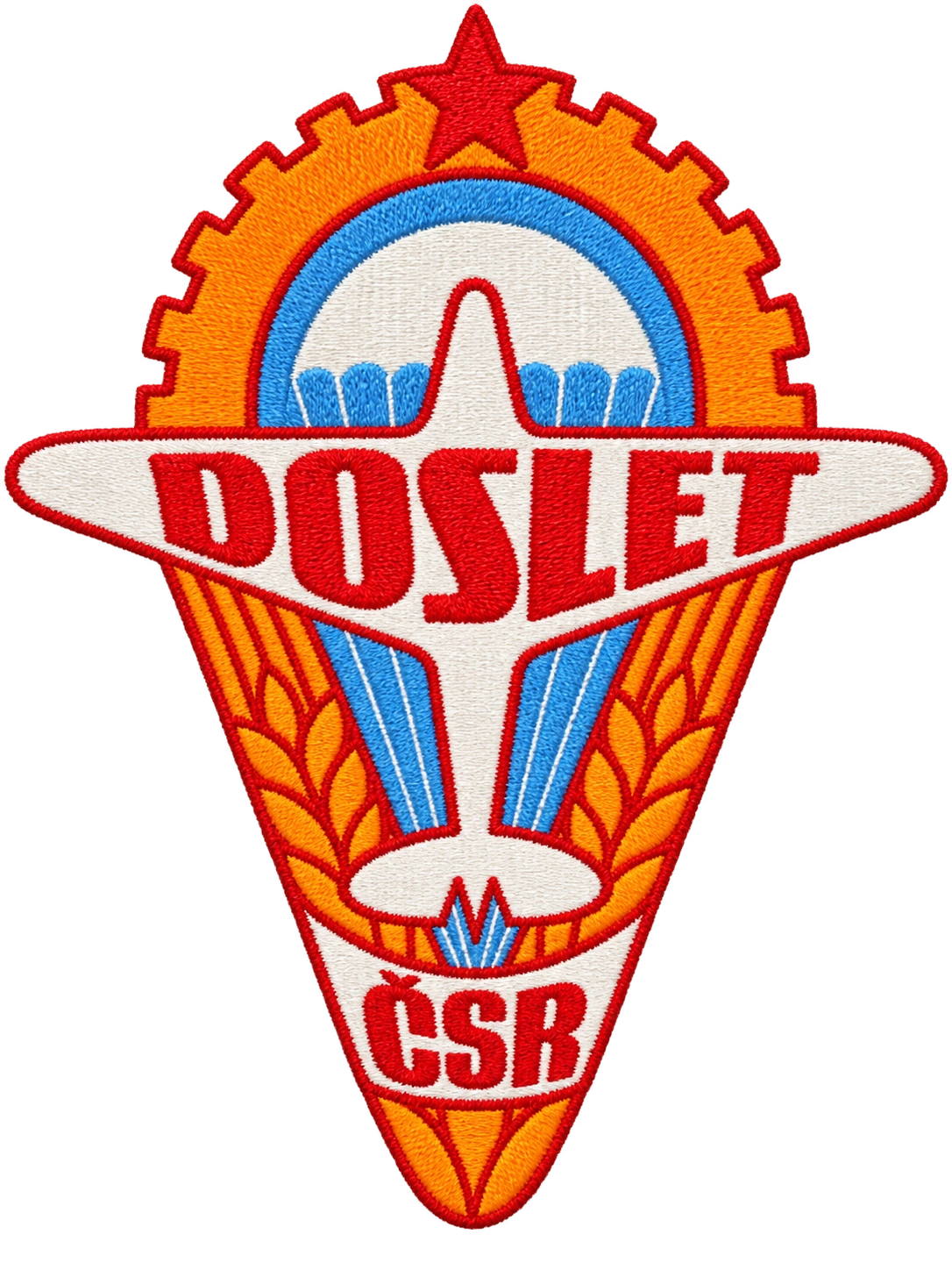
For the first time in the history of sport flying in Czechoslovakia, the organisation’s emblem — that of DOSLET — featured a red star, a cogwheel and ears of grain.
- 16 October 1952 – the DOSLET Council decided to merge with Zväzarm.
- 16 November 1952 – the creation of a new unified defence organisation was announced.
- 1 January 1953 – sport aviation began operating within Zväzarm. DOSLET ceased to exist.
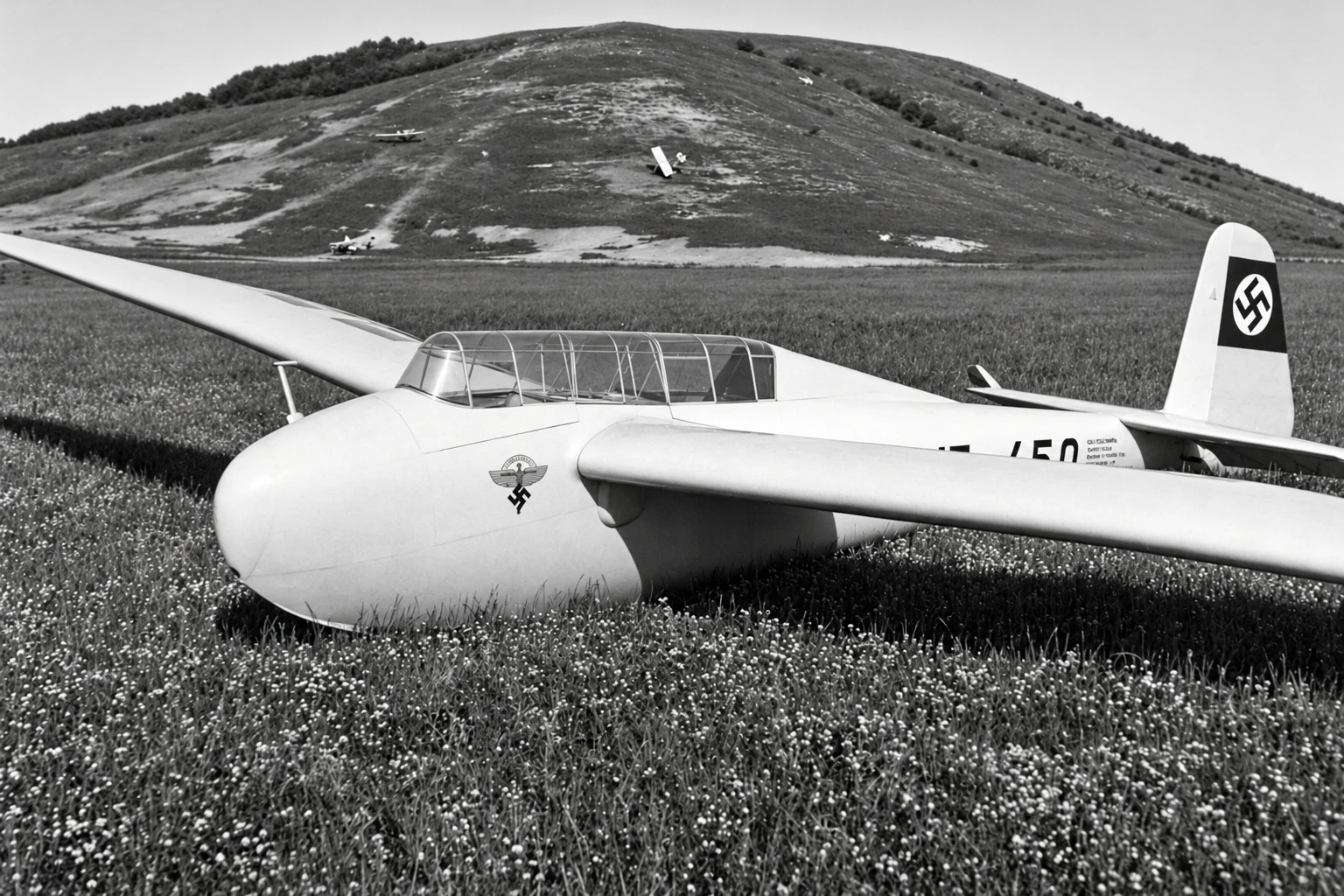
Requisitioning gliders from Spitzerberg
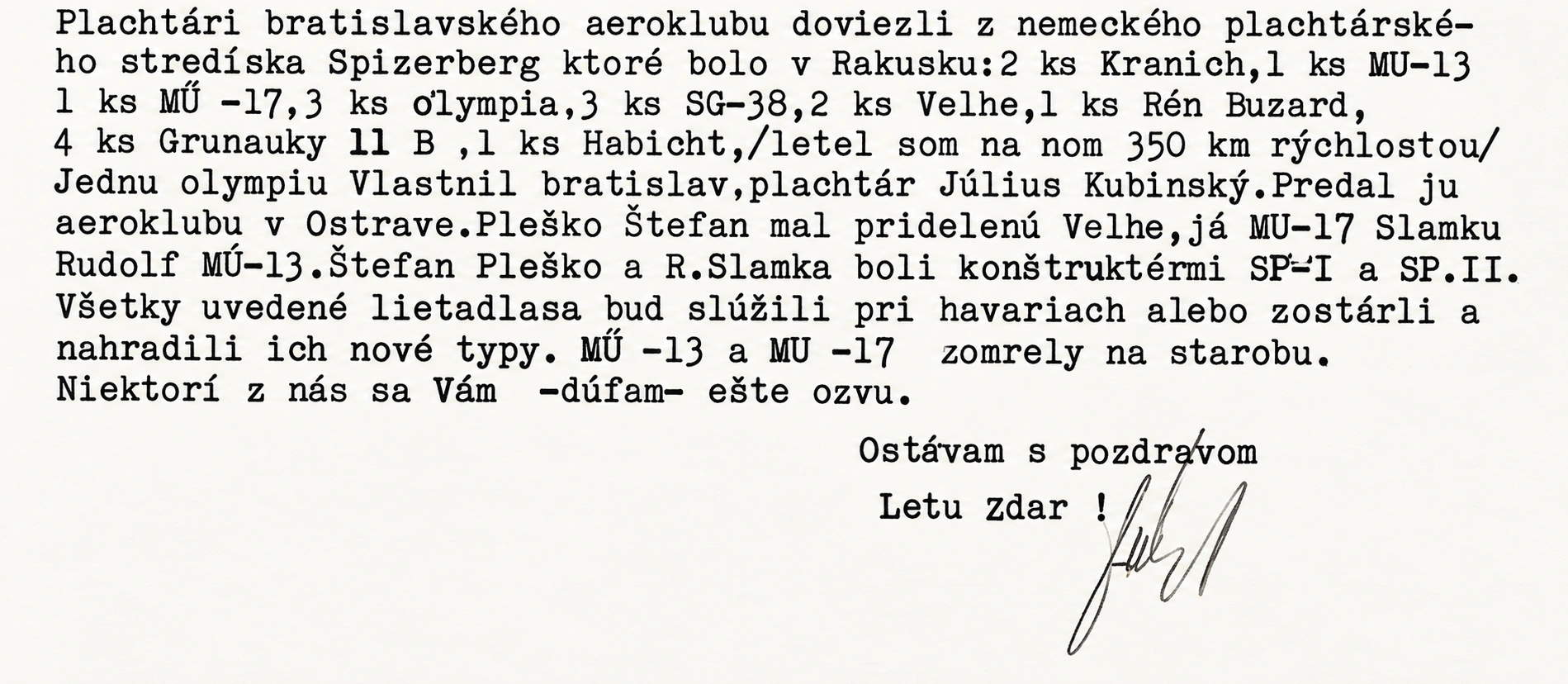
Shortly after the war, Bratislava Aeroclub’s glider pilots received permission to requisition gliders from the training centre at Spitzerberg. They acquired 18 German gliders of different purposes and performance. Spitzerberg airfield still exists, although the slope site is no longer used. Several years ago, Red Bull co-owner Dietrich Mateschitz saved it from closure by buying the airfield.
List of requisitioned gliders
- 2 Kranich II
- 1 Mü-13
- 1 Mü-17
- 3 DFS Olympia
- 3 SG-38
- 2 DFS Weihe
- 1 Schleicher Rhönbussard
- 4 Grunau Baby IIb
- 1 Habicht
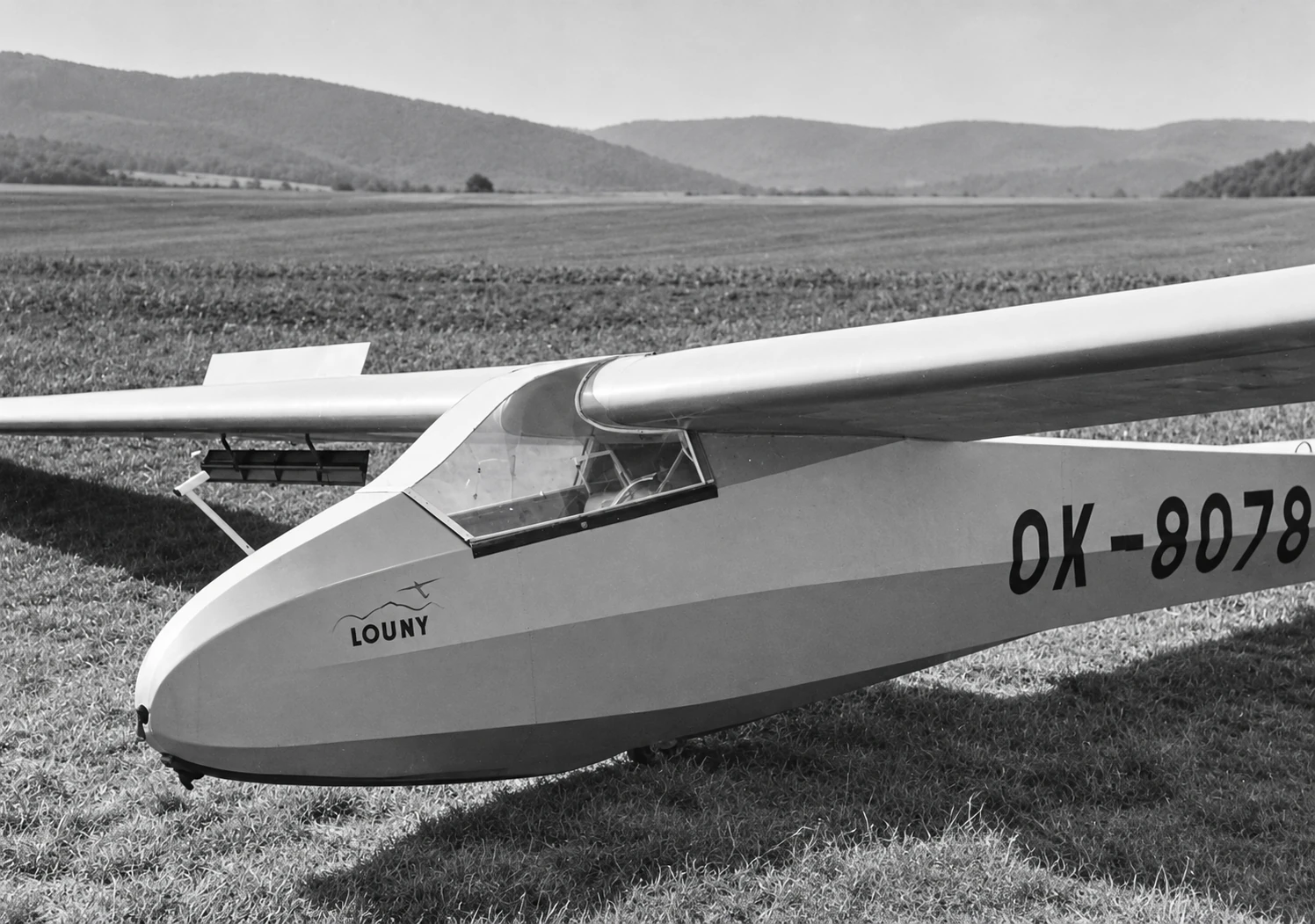
Štefan Pleško was allocated a Weihe, and I a Mü-17. Rudolf Slamka was allocated a Mü-13. Štefan Pleško and R. Slamka designed the SP-I and SP-II.
These 18 gliders provided a very respectable foundation for establishing not one but two Aeroclubs. One Olympia belonged to Bratislava glider pilot Július Kubinský. He sold it to the Aeroclub in Ostrava.
While we are uncovering history, Július Kubinský was not the only glider pilot professionally involved in developing cars. Ivan Mičík, who flew in Nitra, was a Slovak car designer, an organiser of automotive development, and a car and motorcycle racer. He was a key figure in efforts to establish Slovakia’s own automotive development base.
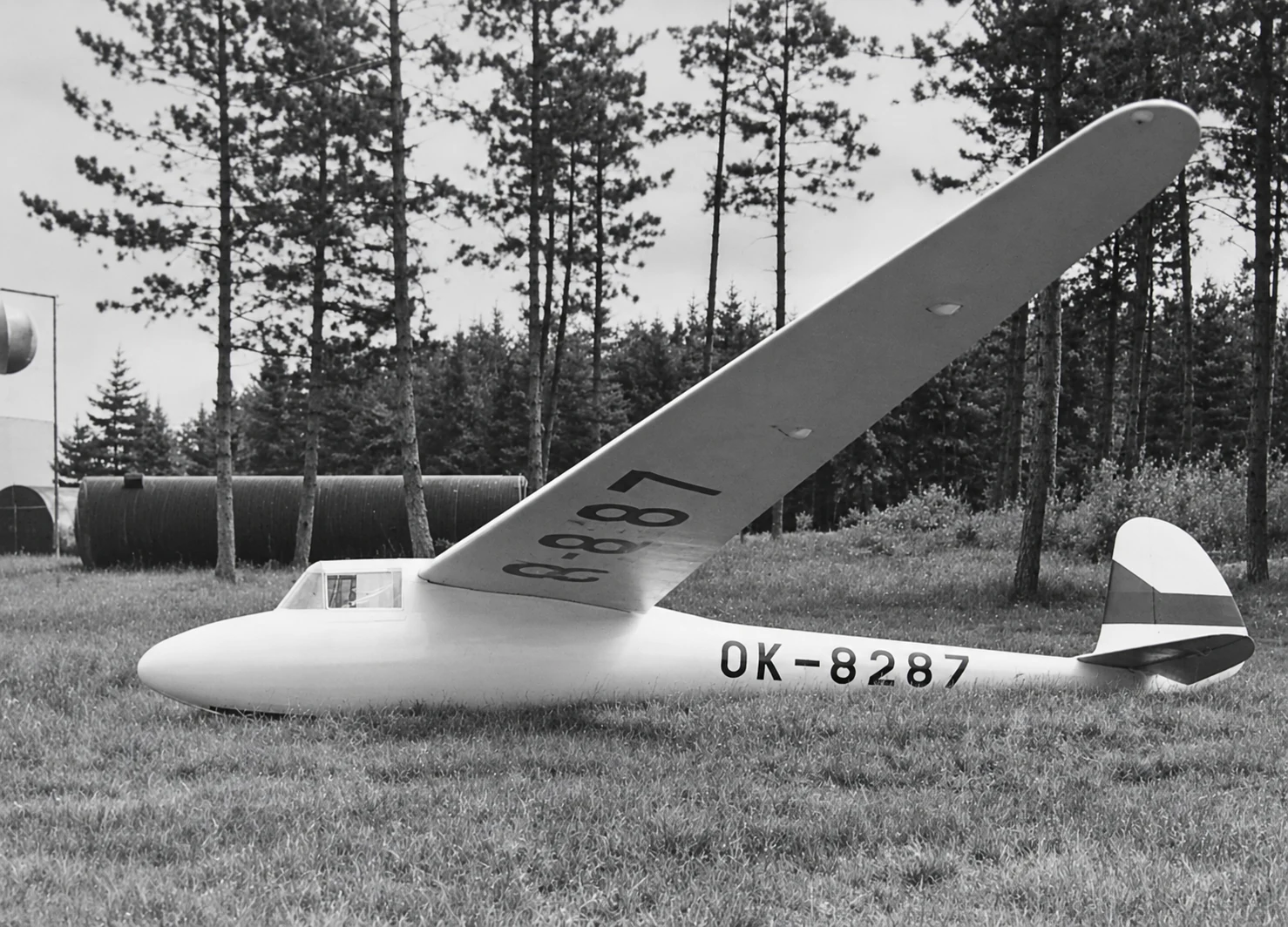
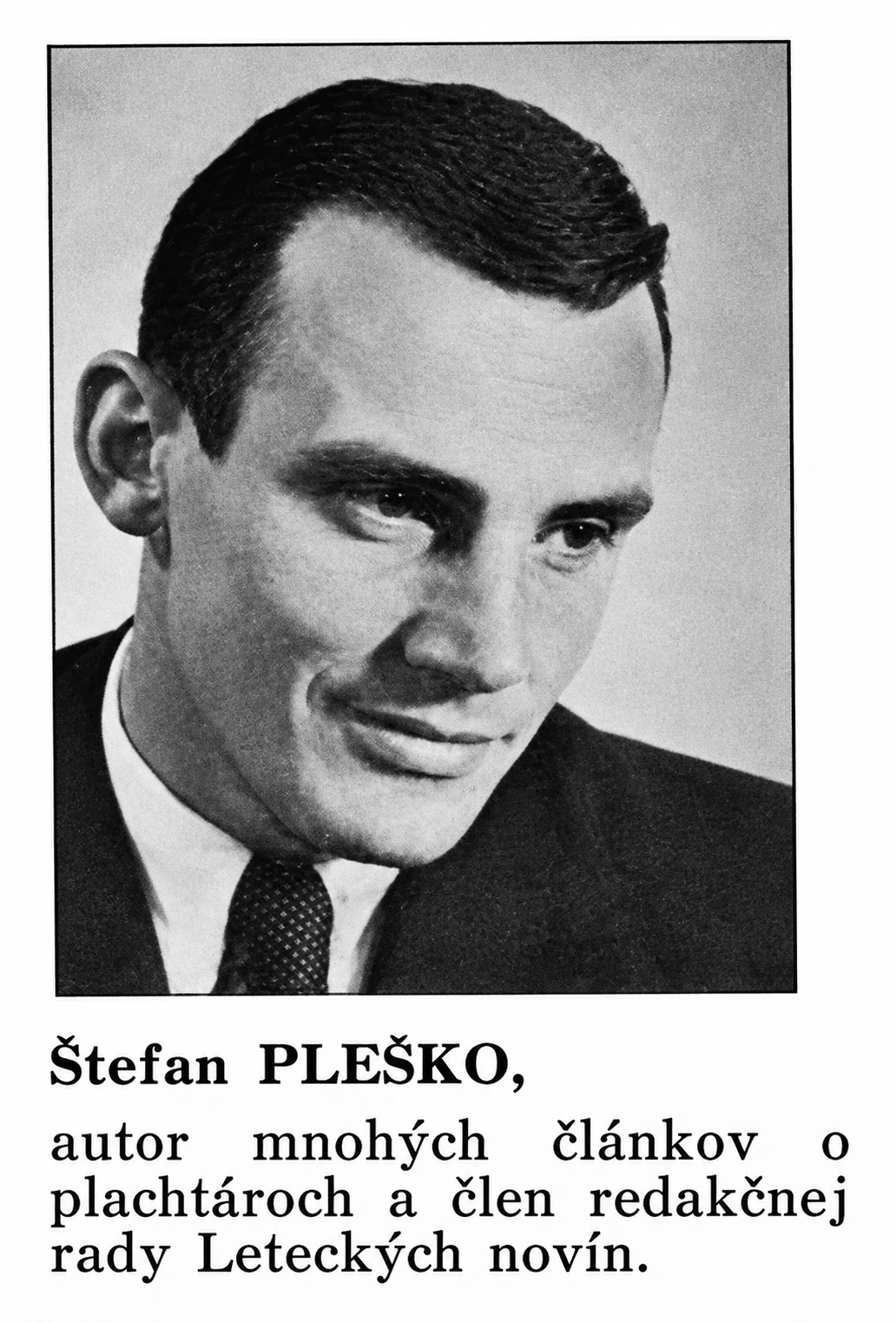
Ján Cina spent his youth and secondary-school years in Prešov, attending the local grammar school and graduating in 1956. From the age of 16, he actively pursued gliding at Prešov Aeroclub and later in Canada. After leaving school, he studied at the Faculty of Mechanical Engineering of the Slovak Technical University (SVŠT) in Bratislava from 1956 to 1960. He spent his final year and a half specialising in motor-vehicle design and construction at Brno University of Technology. Although he originally wanted to design aircraft, he made his name chiefly in the automotive industry. Immediately after graduating, he joined Tatra Kopřivnice’s Bratislava development branch, where he was recruited by Ivan Mičík.
Letecké noviny Bratislava
It was published as an illustrated fortnightly from 1948 to 1952, covering aviation, technology, transport and sport. In its content it followed Slovenské krídla, which ceased publication in 1944; the main difference was ideological. Letecké noviny stopped publishing in 1952, leaving only the Prague-based aviation magazine Křídla vlasti. A pity.
After Letecké noviny closed in 1952, no comparable aviation magazine emerged in Slovakia. I fear there never will be one again.
Letecké noviny published articles in both Slovak and Czech, reporting on events across Czechoslovakia as well as abroad.
Letecké noviny was published by the Transport Commission — the state aviation administration in Slovakia — in cooperation with SNA in Bratislava. It appeared twice a month. Its editorial office was at 1A Štúrova Street.
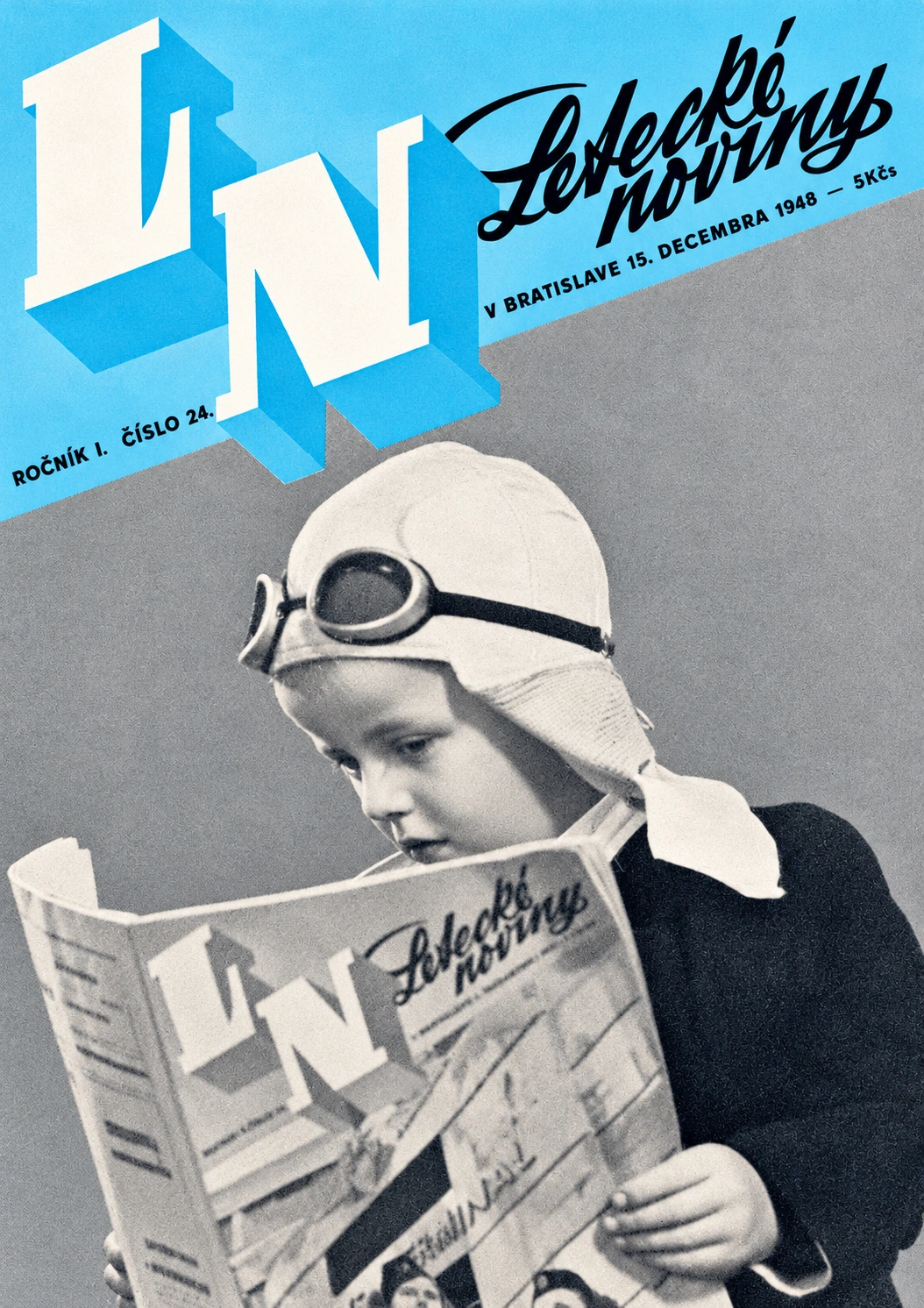
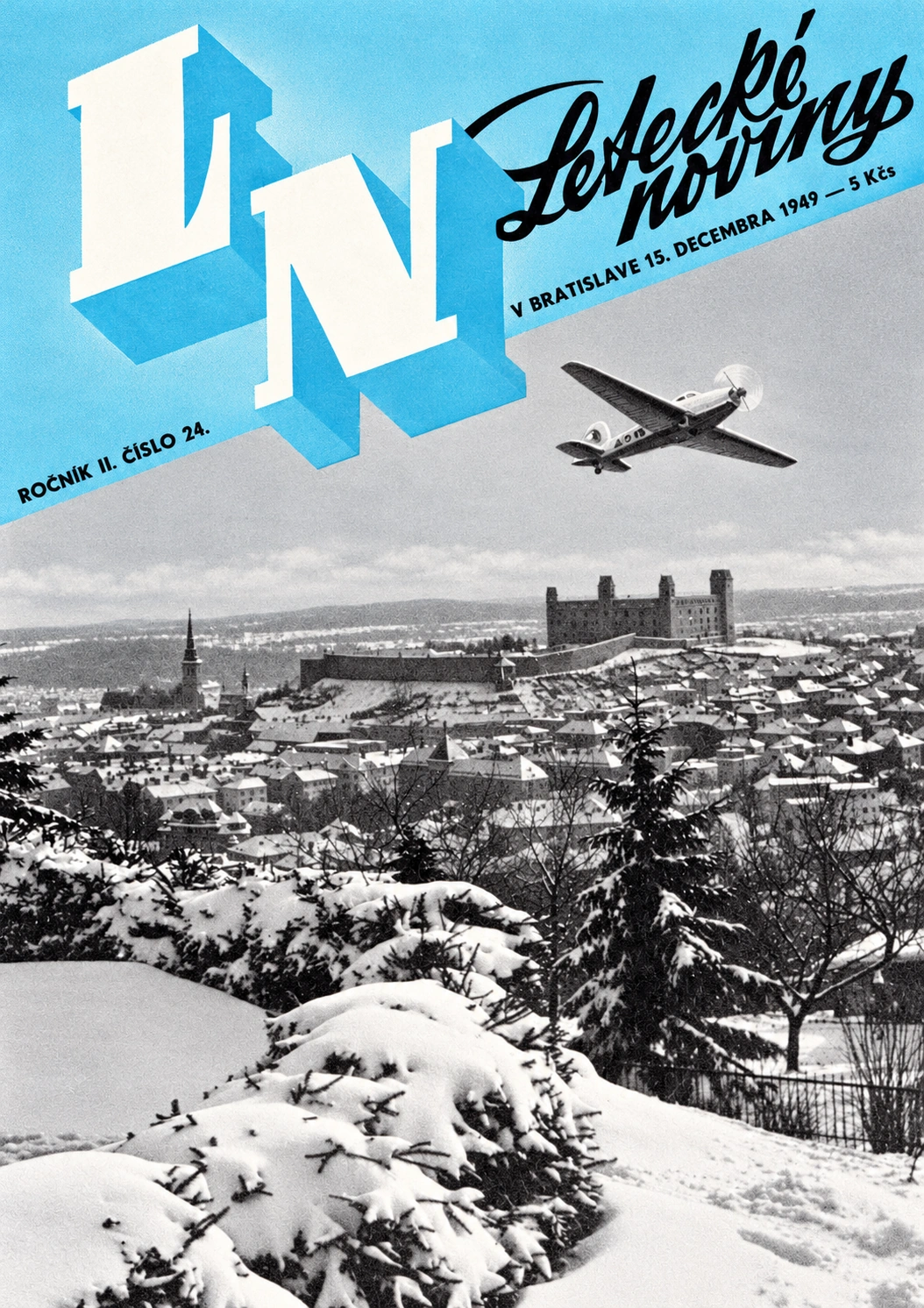
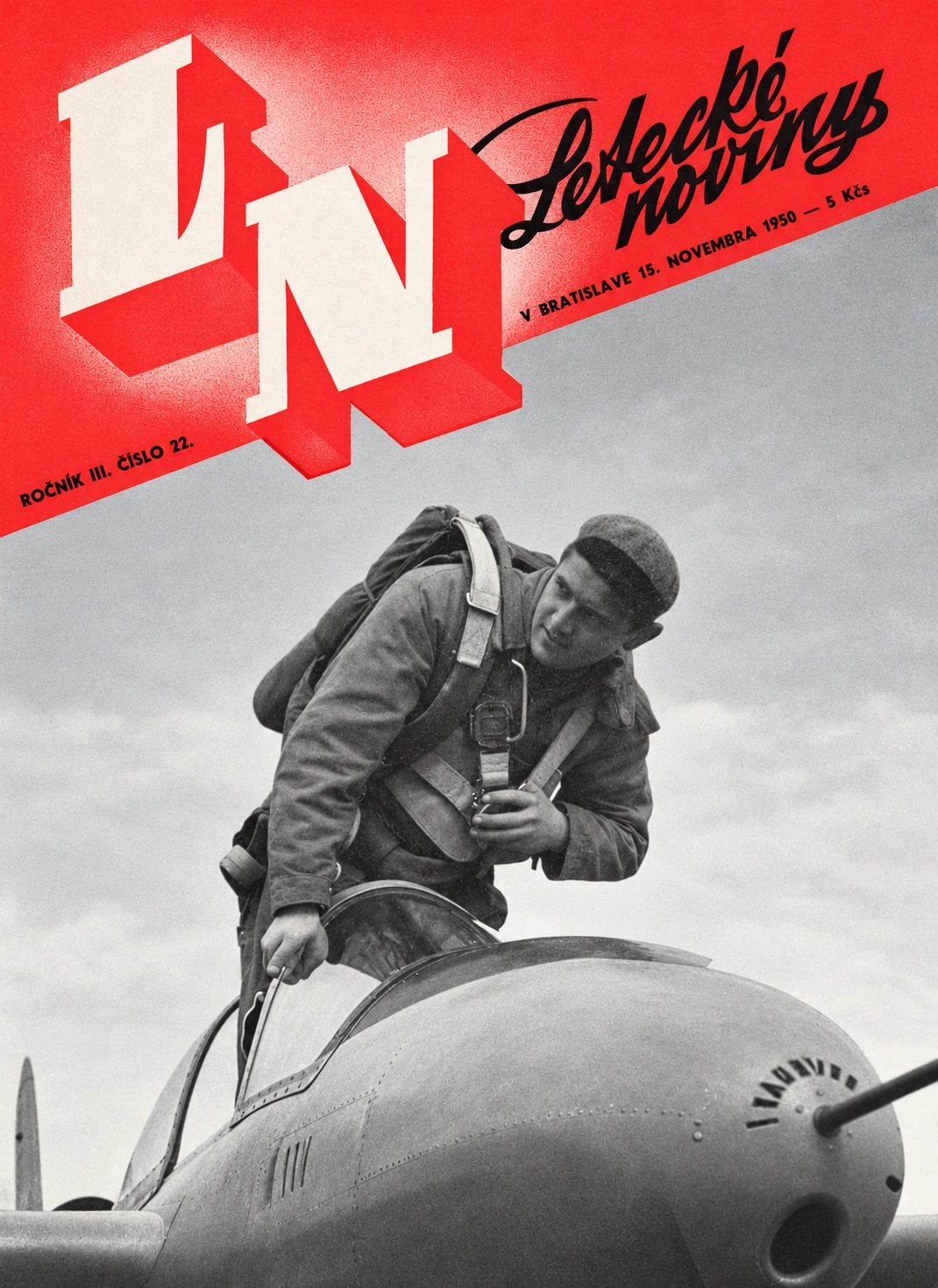
The red cover shows Ondrej Kendera, a Bratislava glider pilot. AI-enhanced photo
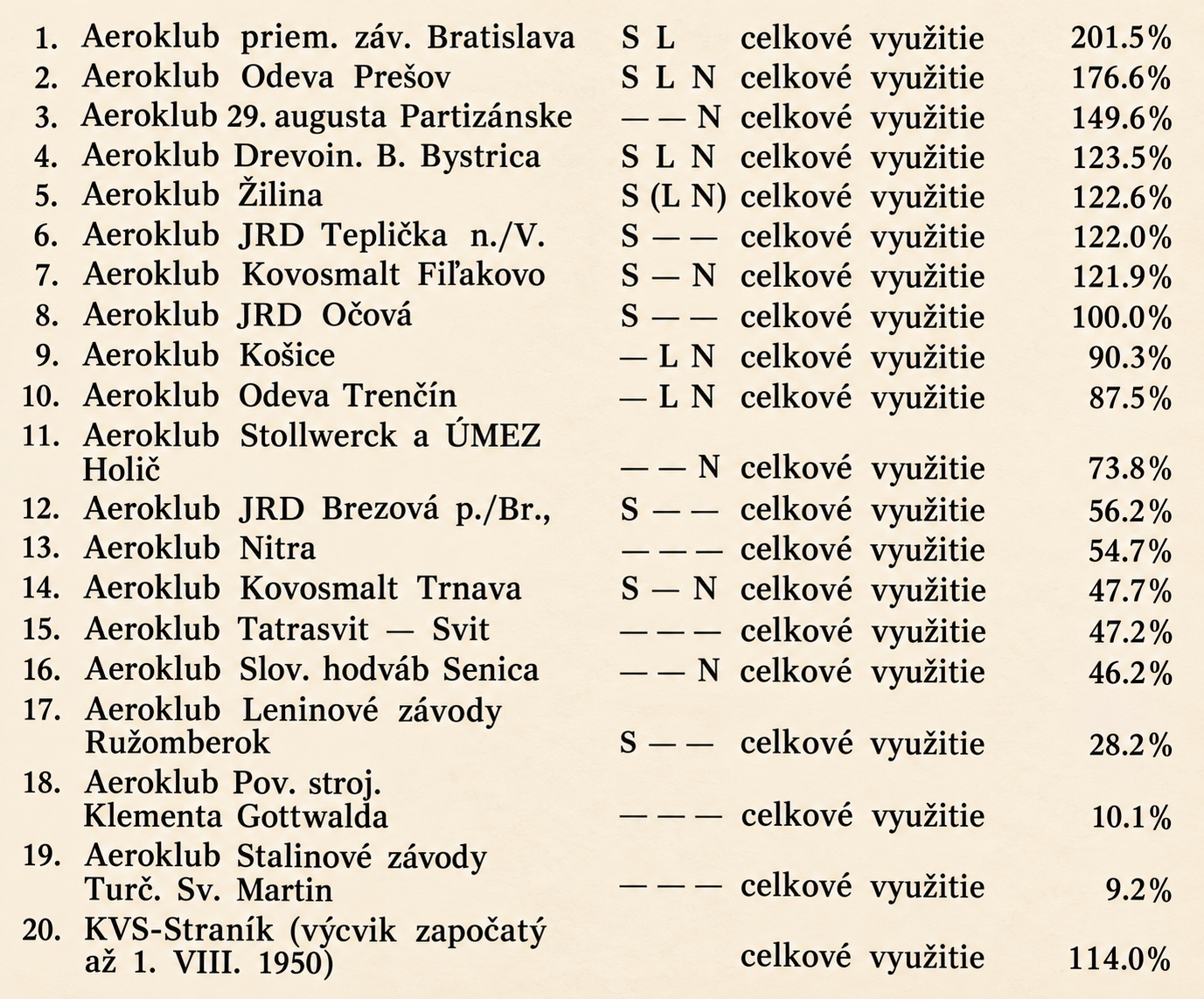
“Aeroclub of Industrial Enterprises” was the Aeroclub’s official name in 1951. I see the Party and government did not have much faith in Bratislava, in contrast to places such as Ružomberok or Turčiansky Sv. Martin.
Vajnory airfield or Dvorník?
While researching the airfield’s history, I also came across the name Dvorníkin period sources. This name is much older than the airfield itself.
Its origins go back to the Great Moravian period, when the settlements of Prača and Dvorník existed in what is now Vajnory. During the 14th century they gradually merged into a single settlement, which later became known as Vajnory.
After the airfield was established in the early 1920s, the names Vajnory, Bratislava-Vajnory and Bratislava-Dvorníkwere used. Dvorník also appears in connection with the military airfield. This was therefore the use of an older local name, rather than a post-war renaming.
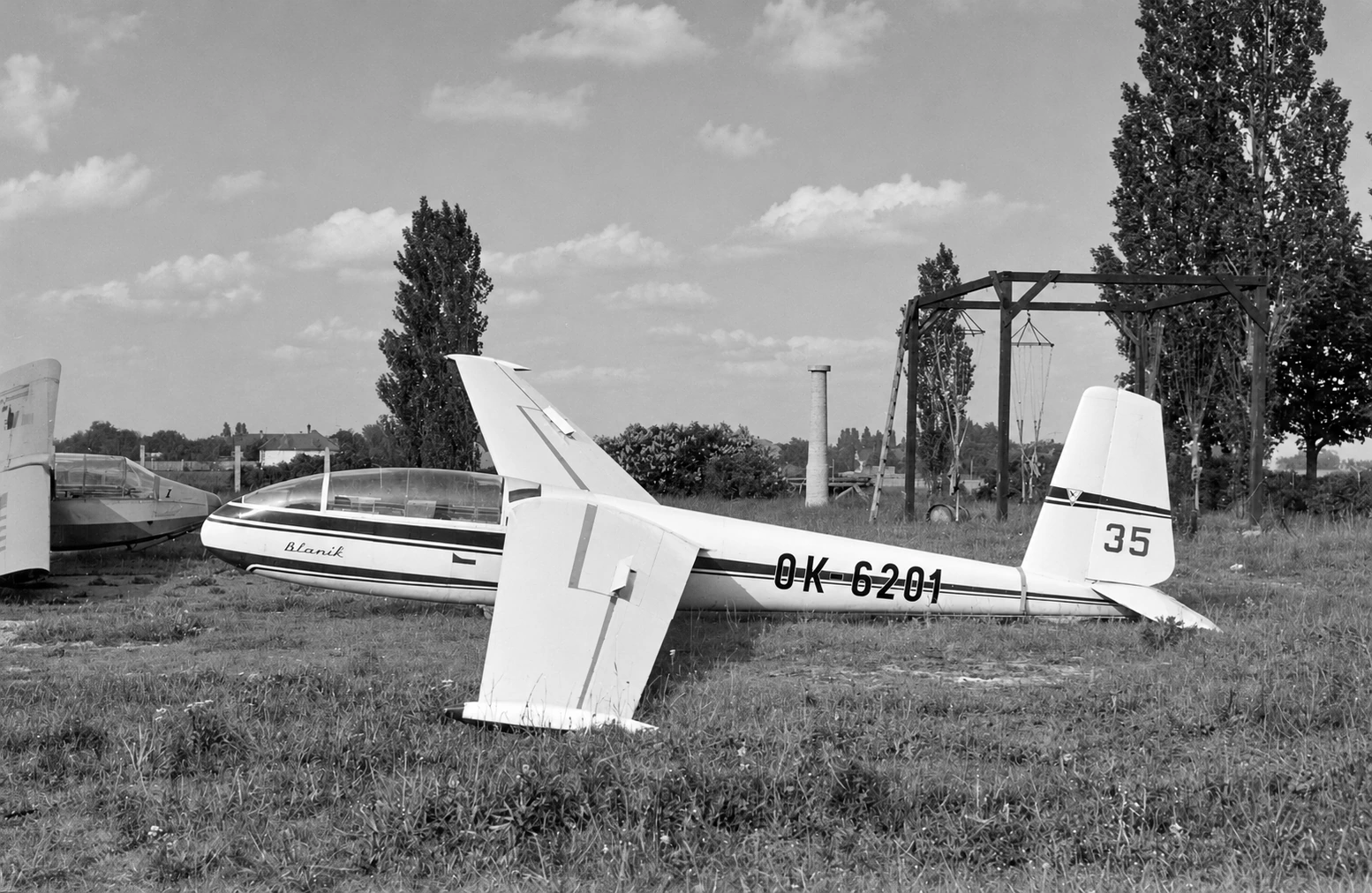
After the Second World War, Dvorník entered official usage too. In 1948 – 1959 the railway station officially bore the name Bratislava-Dvorník. It reverted to Bratislava-Vajnory in 1959, but the historic name did not disappear immediately. Dvorník was still marked beside the airfield on a 1964 map.
Long ago, when we were still flying at Vajnory, we used to ask the old flyers what things had been like. They would mumble something and then fall silent. They did not want to talk about their past or the Aeroclub in 1950–1960. Only many years later, after the change of regime, when I talked to them about photographs, did it all dawn on me.
We knew some people had stopped flying because they had been banned, but there were pilots who were not even allowed near an airfield. The 1950s in particular were a time when people went for one another’s throats — not physically, but through settling old scores, personal animosities or something in their past. A denunciation to Februárka, where the police headquarters was and still is, was practically the end. Not just an administrative end: secret police came to their homes and took everything — pilot licences, logbooks, photographs. That is why the old hands never spoke about this period, or only when they were so old that nothing could threaten them any more, or after the change of regime in 1989.
Flying in the Zväzarm Aeroclub had a very dark side. Before training began, the personal file of the applicant seeking admission to training went through the Aeroclub to some police office. It was enough for your uncle to have been too outspoken in 1968, to have been expelled from the Communist Party, or, heaven forbid, to have emigrated, and that was the end. There would be no training. Vetting was repeated. Whenever someone escaped abroad in an Aeroclub aircraft, as occasionally happened, we did not fly for two or three months while waiting for the vetting results.
Bratislava was a very particular case. As I remember flying at Vajnory, if we were taking off and landing on runway 040, all you had to do was extend the circuit, add power on the downwind leg, and in about three to five minutes you were across the border. Nobody, I repeat nobody, could stop you: even if the military scrambled the Mi-24 standby crew at Piešťany, they had no chance of getting there in time. Besides, as far as we knew then, the military were forbidden to fire when the escaping aircraft was over a built-up area. (Note: the 2nd Fighter Regiment, based at Bratislava–Ivanka airfield, ceased operations on 15 July 1964.)
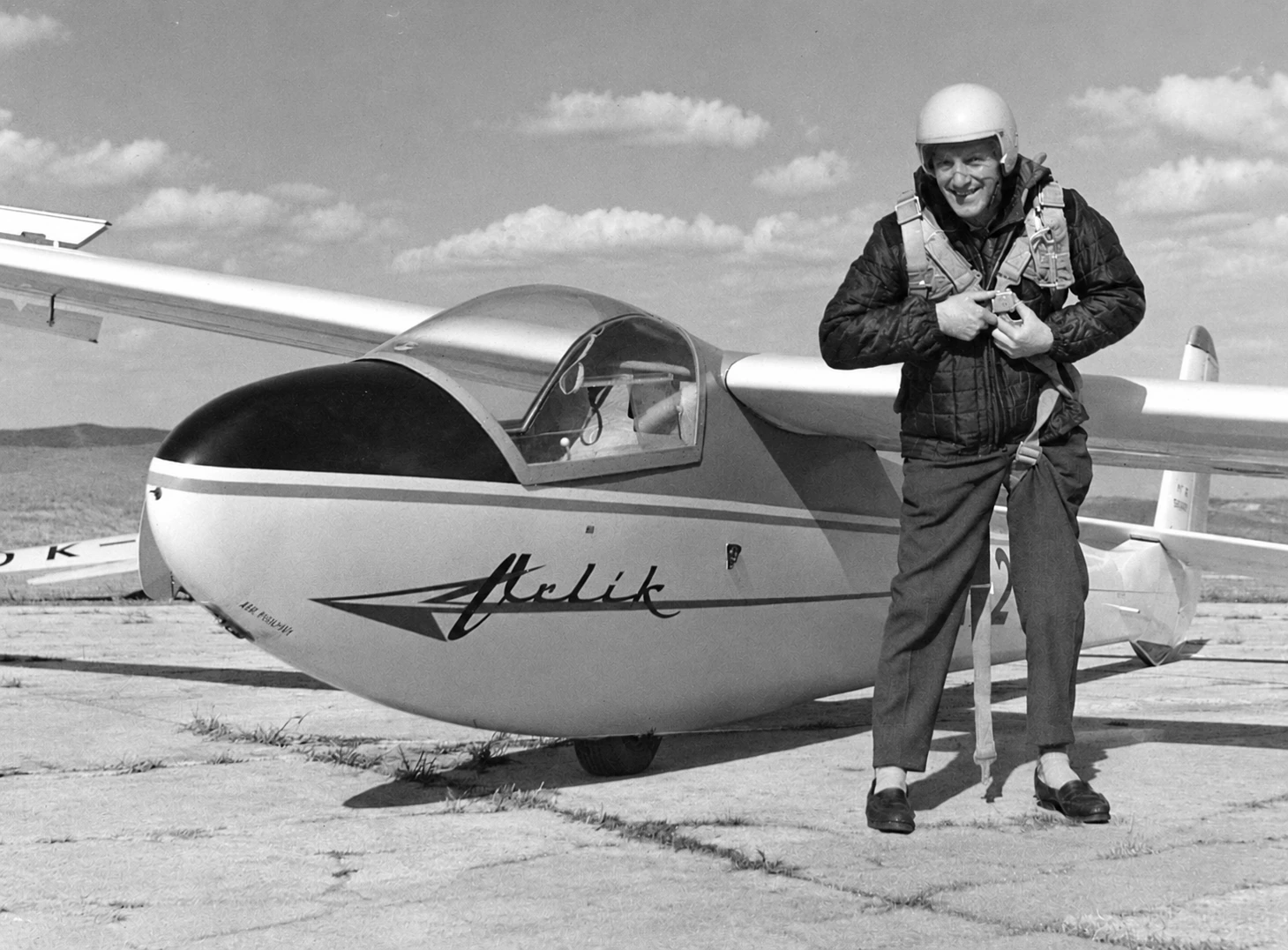
As for that freedom, when there was no flying and the old hands had gone home at five in the afternoon, the airfield was ours, and it was the freest place in the world.