
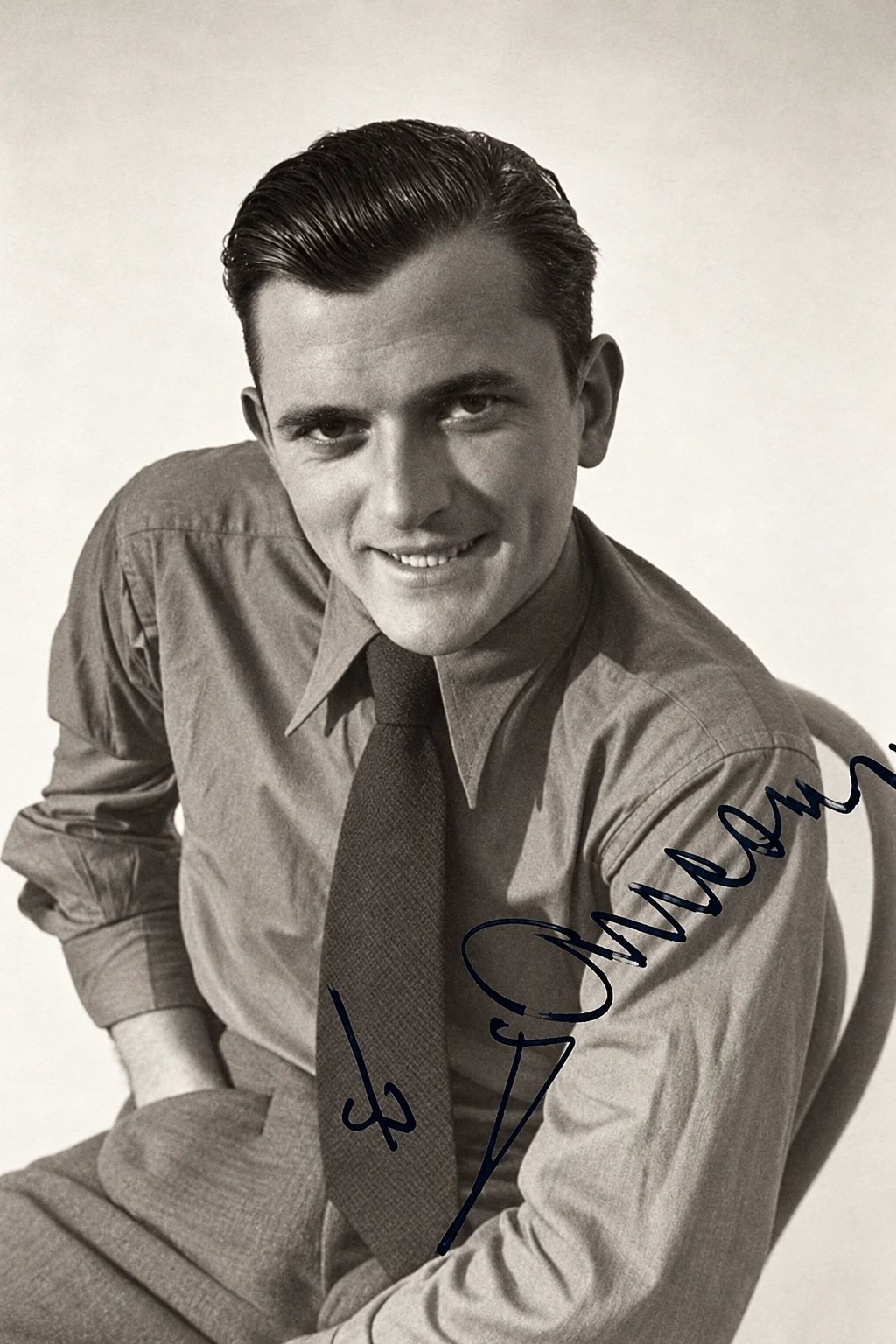
Karol Jančár
He was born on 23.11.1915 in Slovenský Meder (now Palárikovo) into a poor family supported by his unmarried mother, who worked on a count’s estate. He completed five years of elementary school in his home town and attended grammar schools in Nové Zámky and Bratislava. In 1931 he had to leave full-time education because his mother could not afford it. He continued under an individual study plan, taking examinations before a board.
His interest in aviation was already taking shape: as a student he was active in the Masaryk Aviation League’s model-aircraft club in Nové Zámky. In 1934, responding to President T. G. Masaryk’s appeal, he applied to the Military Aviation School for young recruits in Prostějov. Ordinary people could only dream of an aviation career then. He eventually became one of three Slovaks selected from an astonishing 12.000 applicants to enter aviation.
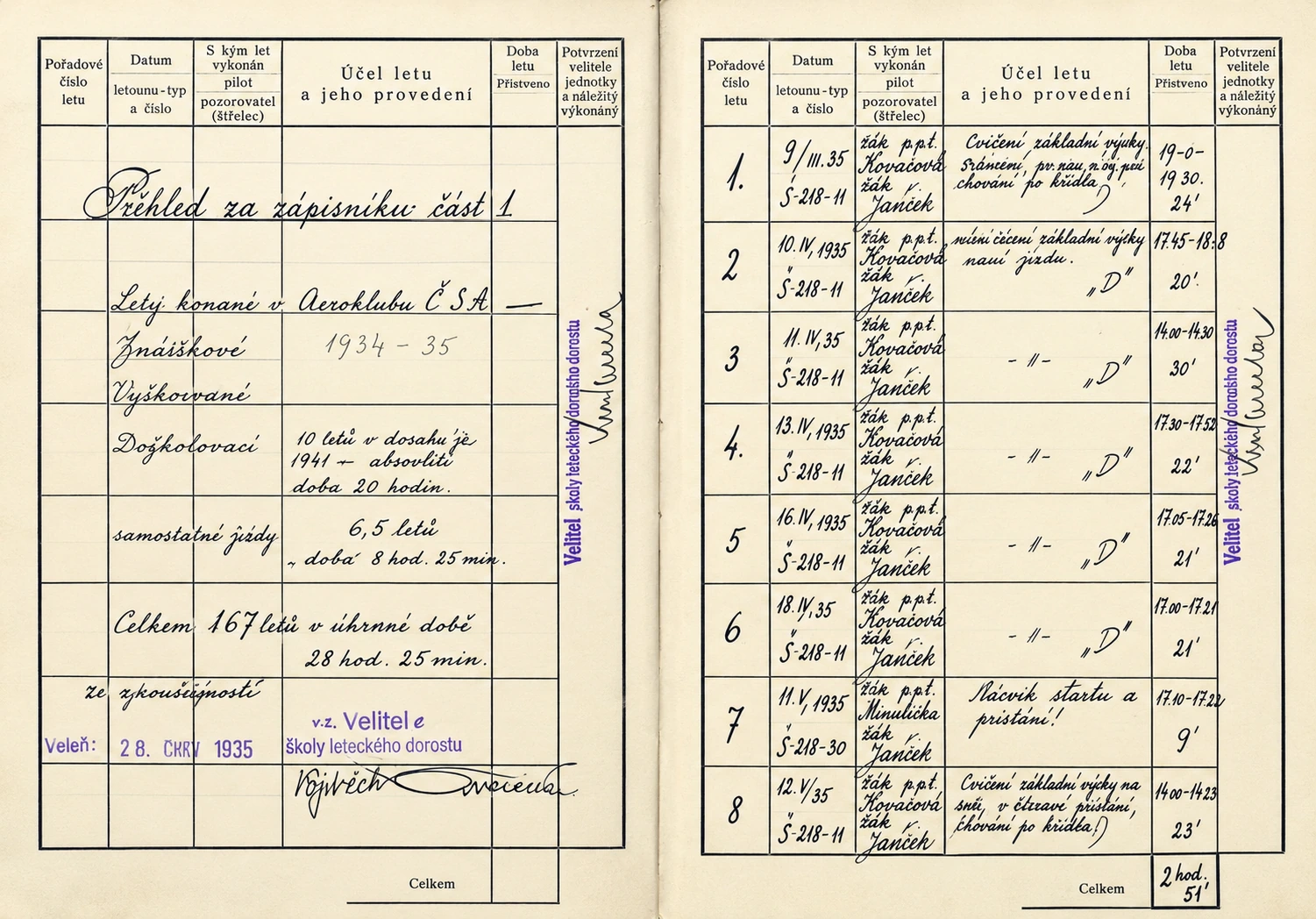
He completed preliminary training at the M. R. Štefánik Aeroclub at Vajnory. There he learned theory and to fly basic aircraft such as the Letov Š-218, Š-10 and A-14, logging 28 hours 25 minutes. In 1935 he entered the aviation school in Prostějov and qualified as a pilot. Of the 64 graduates in his year, 31 died serving with the RAF during the Second World War...
After his final examinations in 1936, he joined LP3 M. R. Štefánika at Piešťany, serving with No. 9 Squadron. Alongside continuous practice, he completed courses in flying proficiency, armaments, airfield record-keeping, advanced first aid, flight instruction and photography. Extensive flight training in varied conditions gave him experience in navigation, topography, shooting, bombing and combat situations. He qualified as a field pilot.
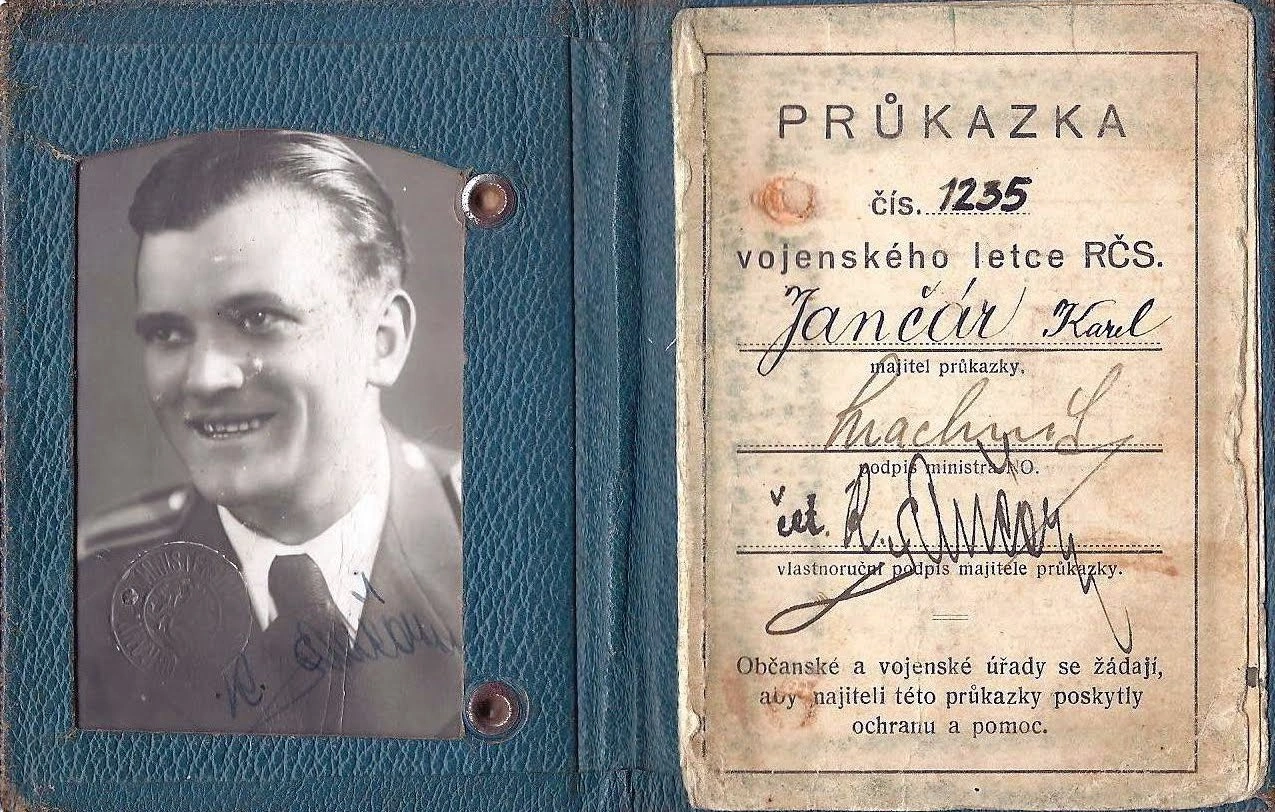
During his military career he made 1.322 take-offs and landings on 40 to 50 aircraft types. His highest flight was on 23.4.1937 in a Š-328, reaching an impressive 5.714 metres. His longest was a photographic flight around Trnava on 26.4.1937 in a Š-328, lasting three hours and one minute. His highest military rank was sergeant.
In 1939 he joined the civil aviation department of the Ministry of Transport and Public Works as a civil aviation starter at Bratislava’s Vajnory airfield. The creation of the Slovak State brought major changes. Aviation had been dominated by Czechs, who now had to leave Slovakia. A shortage of pilots and specialists made the rapid development of civil aviation necessary. The ministry therefore established a civil aviation department. Karol Jančár joined it as an inspector and examiner for powered touring aircraft, accident investigator, and chief flying instructor for civil aviation and the Slovak Aviation Corps. He was also responsible for test-flying every new aircraft type intended for Slovakia and training its future pilot. His pupils even included Ľudovít Kukorelli, the future chief of staff of the Čapajev partisan formation.
Despite difficult times, he prospered. On a journey to his home town he met Helena Osvaldová from Mestečko at Leopoldov railway station. She caught the young aviator’s eye, and they married in Leopoldov on 16.7.1939. Interestingly, the groom needed his air regiment commander’s permission to marry.
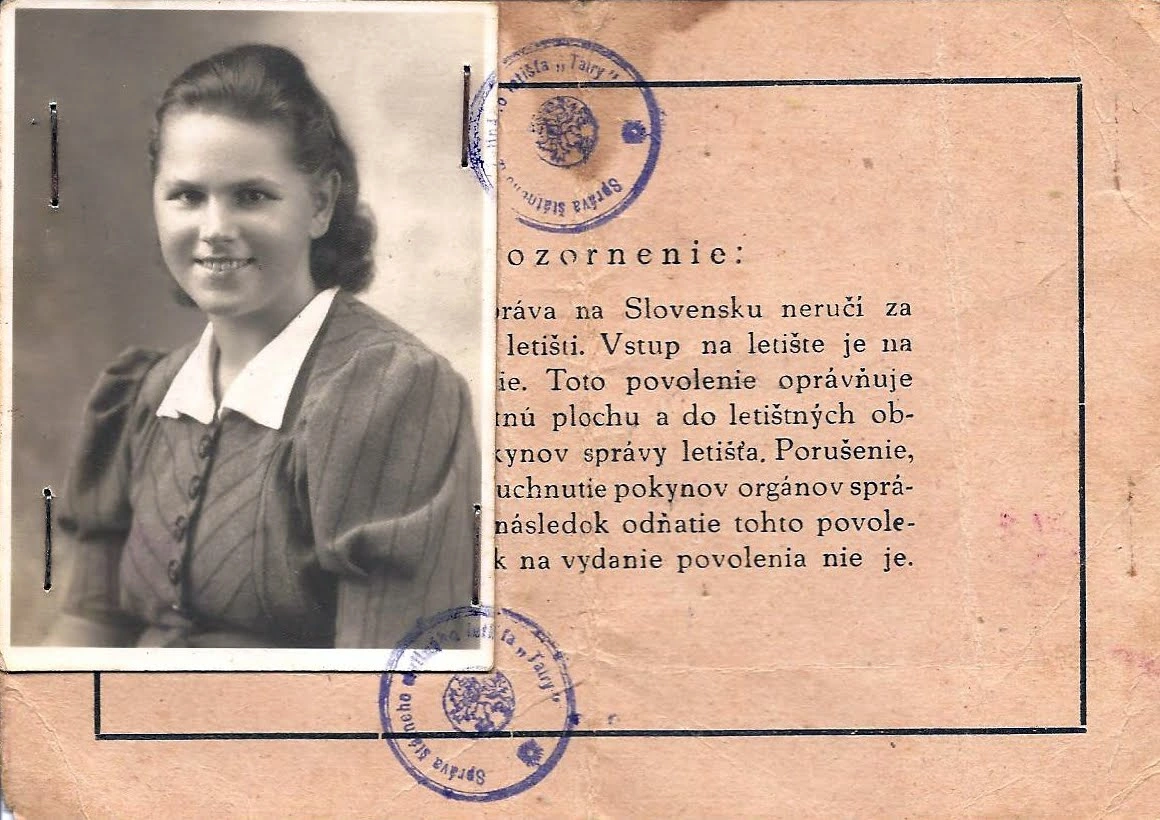
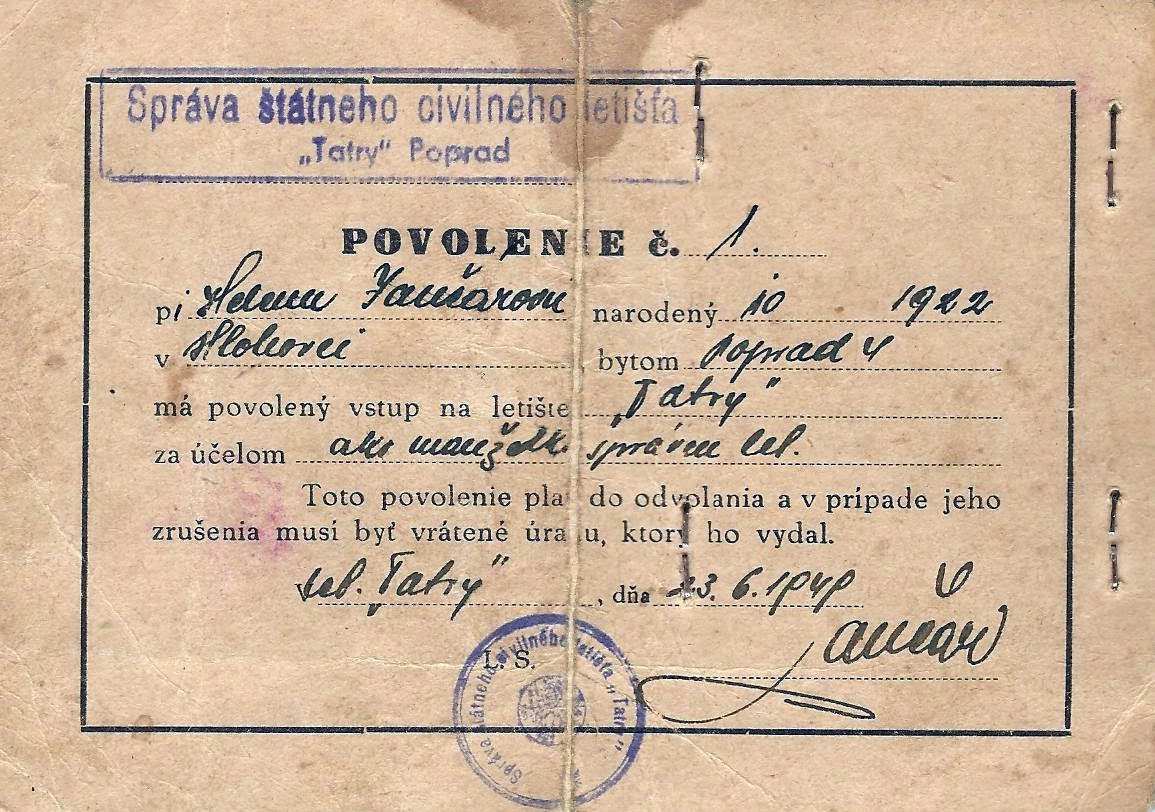
During the war, on 1.6.1943, Karol Jančár was sent to Tatry airfield near Poprad as its new airfield and air-transport administrator, tasked with completing the facilities: arranging land purchases and building hangars, roads, a passenger and operations building, and technical facilities. While the airfield grew, so did his family. By the end of 1945 he and Helena had three children, and both took part in political and social life in Veľká near Poprad. Karol was active in the local sports association, worked with firefighters and amateur theatre groups, and became chairman of the Democratic Party.
The Poprad firm Hitsh designed the Tatry airfield buildings through engineers Briel and Preser and their assistant Zolo Gutmann. They were Jewish citizens living in German-occupied Poprad. Following a denunciation, the Germans shot the engineers and their wives in a wood near Spišská Teplica. Z. Gutmann was much luckier. Airfield employees K. Jančár and Anton Sedlák told him what had happened and how to save himself. They gave him a bicycle and A. Sedlák’s identity papers. Gutmann and his wife managed to deceive the Germans and disappeared towards Svit and Štrba into insurgent-held territory.
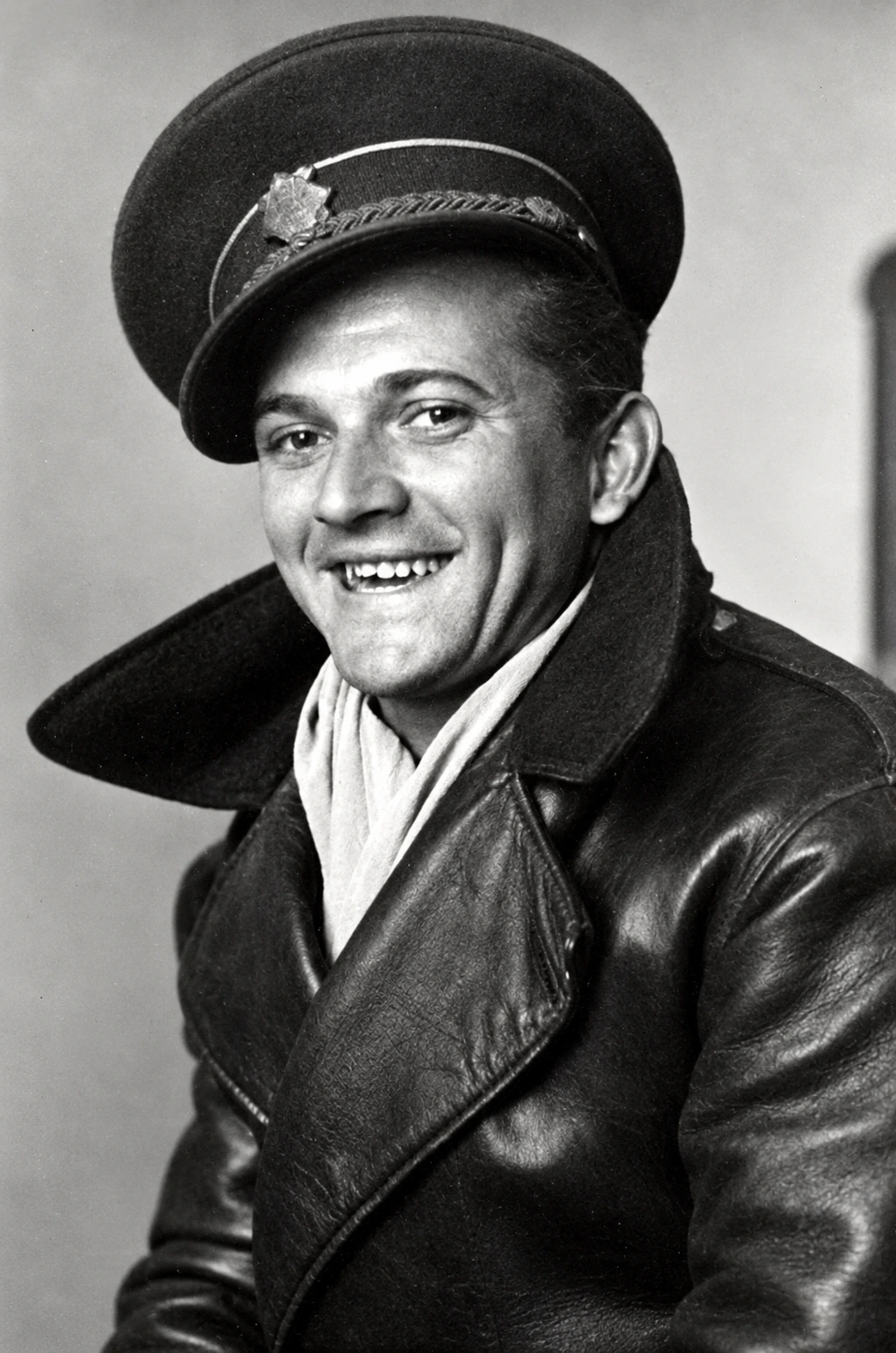
Those peaceful days ended on 30.6.1949, when he was dismissed as airfield administrator without explanation. He was stripped of his flying qualifications, his pilot licence was taken away, and he was forbidden to fly even as a passenger.
extract from “Aviator and civic activist Karol Jančár would have turned 98”
← SLeS