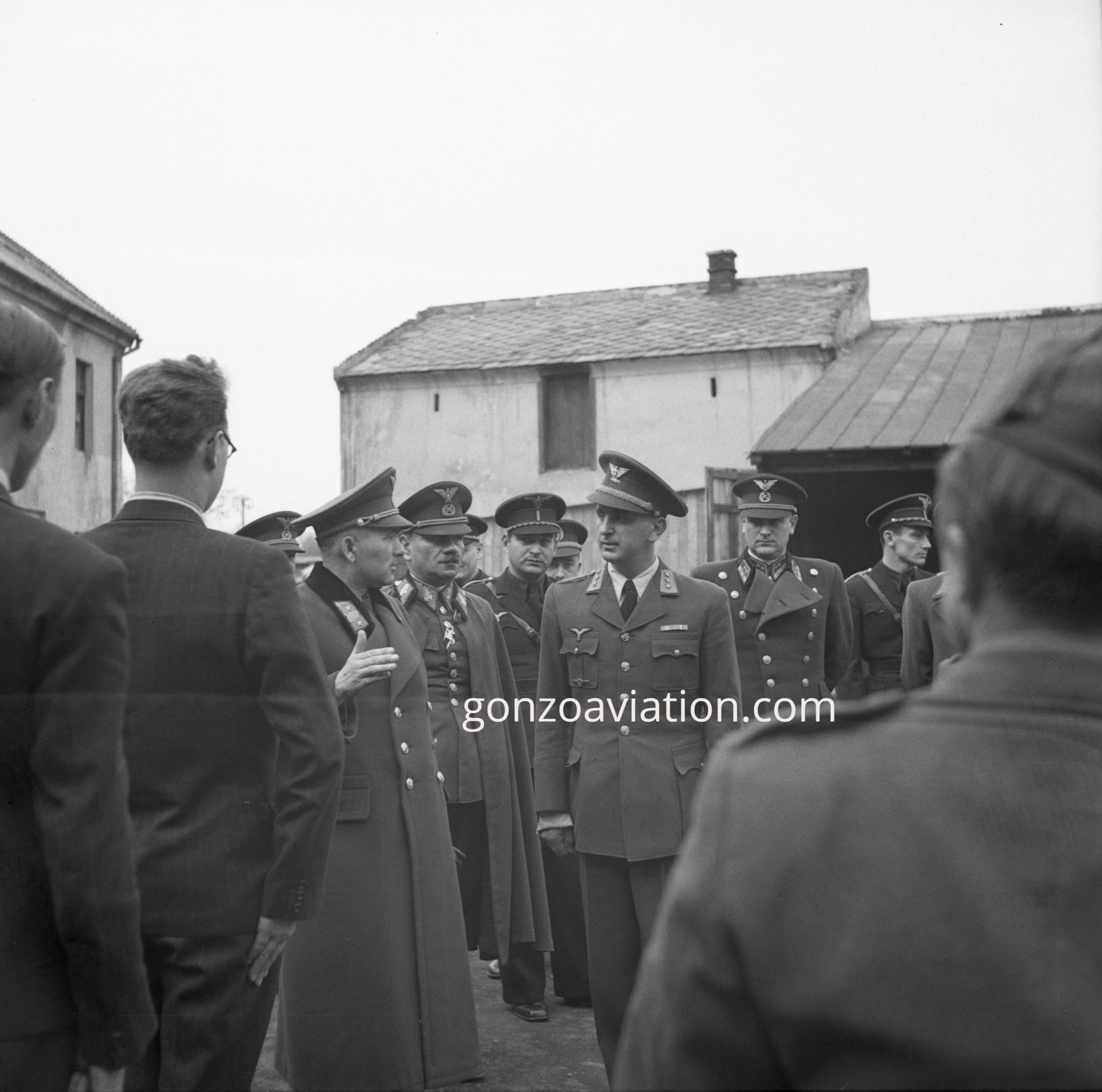
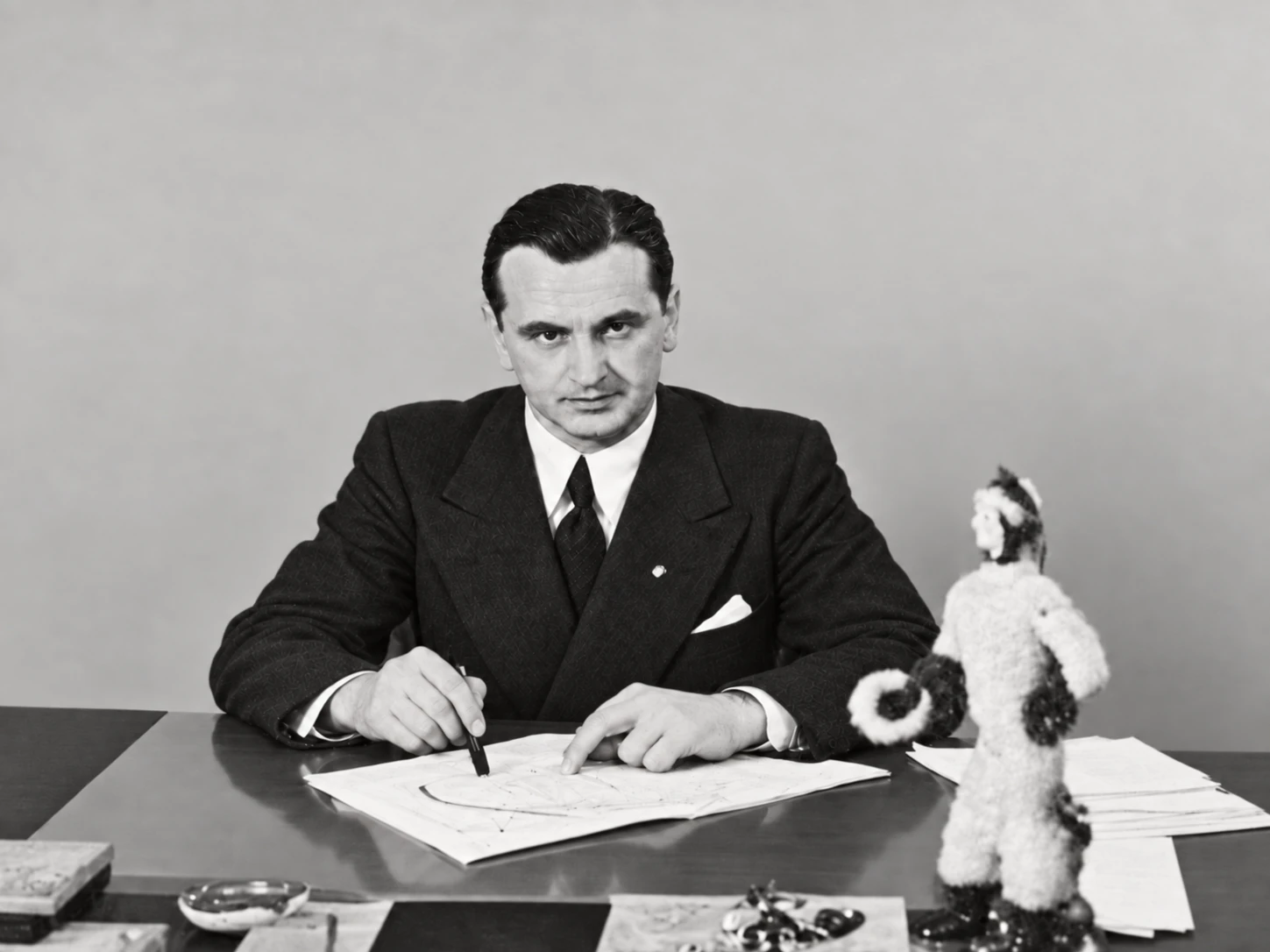
SLeS commander Imrich Kubiš turns 35
On 11 February, Imrich Kubiš, commander of the Slovak Aviation Corps, head of the Slovak Aeroclub and chief of the aviation service at Hlinka Guard Headquarters, turned 35. Born in Skalica on 11 February 1907, he graduated from its higher commercial school. He later worked as a bank clerk at the Municipal Savings Bank in Bratislava, becoming its deputy director.
He had been interested in aviation since childhood. During compulsory military service he joined aviation and completed the reserve air officers’ course at the flying school in Prostějov. He attained the rank of reserve air captain.
Under Czechoslovakia he organised sport aviation in Slovakia, representing it in Prague as a delegate of the Aviators’ Union. After Slovak autonomy was proclaimed in 1938, he helped develop Slovak aviation, founding and commanding the Hlinka Guard’s aviation section. He merged Slovakia’s Aeroclubs into a single Slovak Aeroclub and became its head.
After the Slovak Aviation Corps was established by Act No. 312 of 10 December 1940, Imrich Kubiš was appointed its corps commander.
Translation of a period article transcribed into modern Slovak · source - Slovenské krídla

Government bill on the Slovak Aviation Corps, parliamentary paper 267
Stenographic record of the Slovak Assembly on 10 December 1940 concerning Act No. 312/1940 Sl. z. The Slovak Aviation Corps was responsible for pre- and post-military aviation education, flight training and sport flying. Its commander reported to the Minister of National Defence through the head of the Air Office and the commander of the air forces.
The explanatory memorandum envisaged a budget of approximately 6 million Sk and the training of almost 3.000 members in model making, gliding and ultimately powered flying. Material expenses were to account for more than three quarters of the costs.
The state budget was to contribute 2 million Sk in 1940 through the Ministry of National Defence. The parliamentary record explicitly stated that SLeS would cover approximately two thirds of its budget from its own resources and that about 90% of the work would rely on volunteers. The law therefore encouraged donations, contributions and gifts to SLeS by exempting them from fees and levies.
sources – Stenographic record of the 52nd sitting of the Slovak Assembly · Government bill on the Slovak Aviation Corps, parliamentary paper 267
Slovenské krídla
AI-enhanced photo
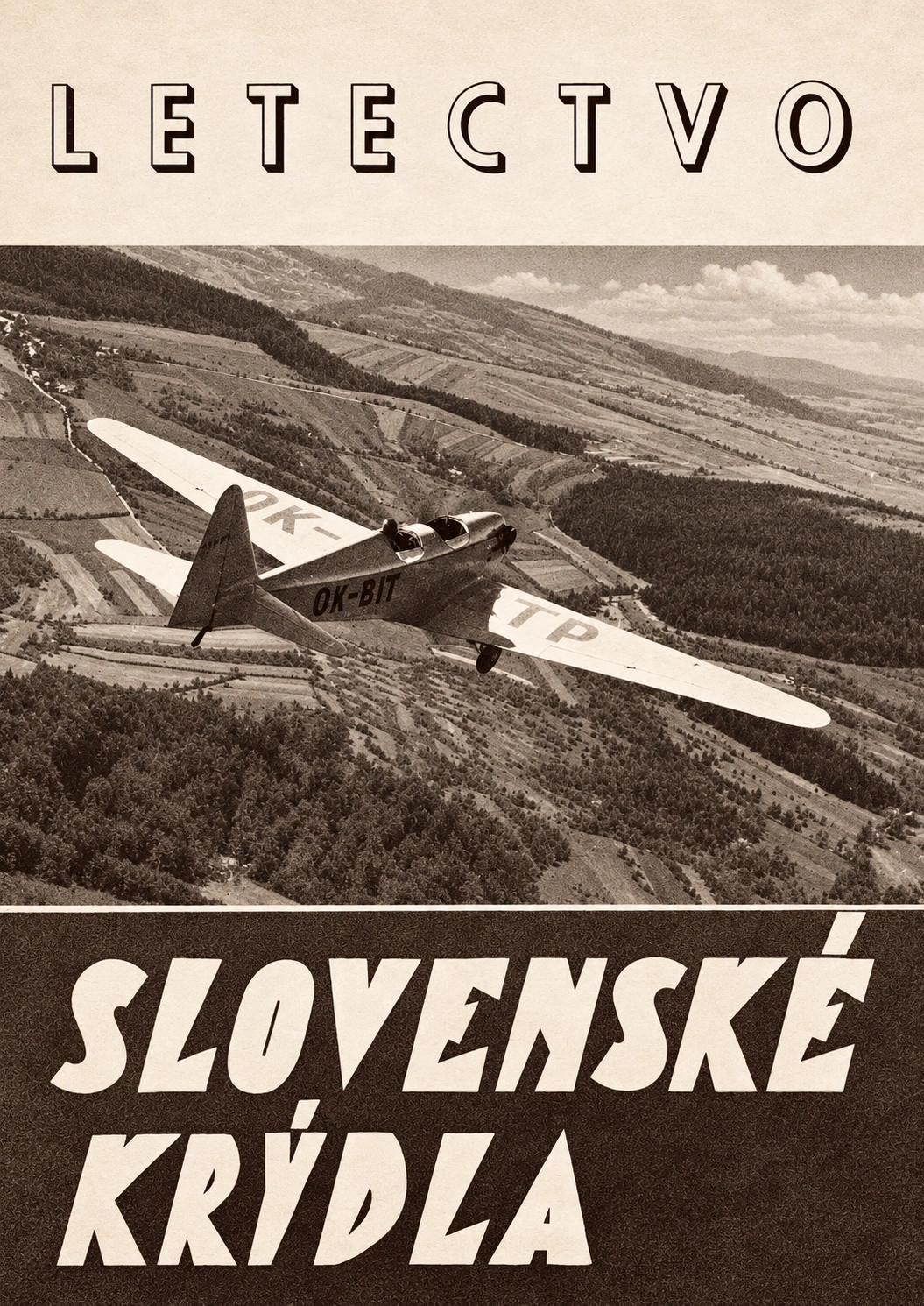
Letectvo – Slovenské krídla was a Slovak aviation magazine published in Bratislava from 1936 to 1940. It covered powered flying, gliding, Aeroclubs, flight training, technology and aviation promotion. It was an important source of information about Slovak sport and civil aviation even before the Slovak State was established.
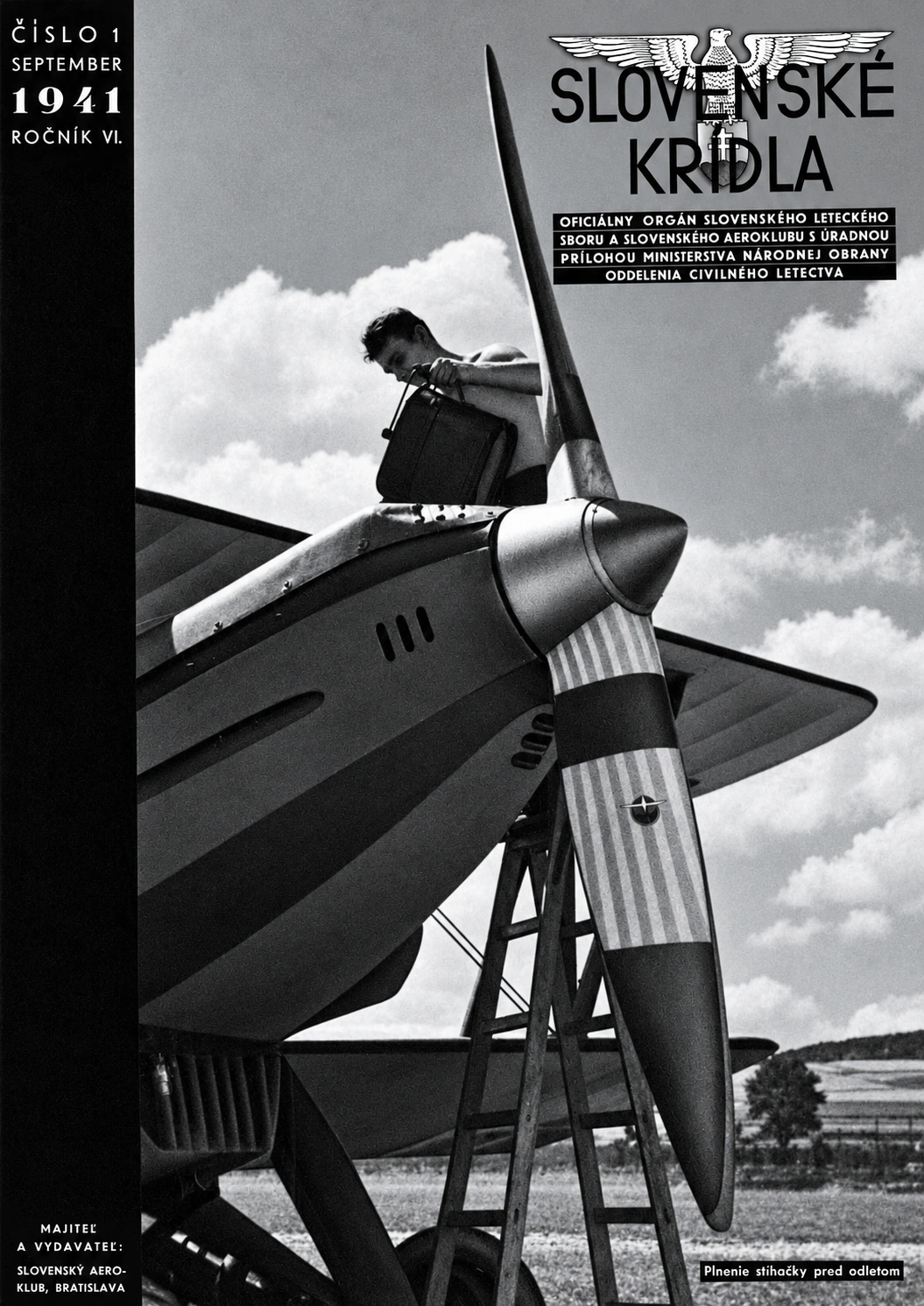
From the 1940/41 volume it was succeeded by Slovenské krídla, also published in Bratislava. Published by the Slovak Aeroclub, it was the official journal of the Slovak Aviation Corps (SLeS), the Slovak Aeroclub and the aviation sections of the Hlinka Guard, Freiwillige Schutzstaffel and Deutsche Jugend. Slovenské krídla ran from volume 5 (1940/41) to volume 8, issue 10 (1943/44), approximately until 1944. Its subject matter was later continued by Letecké noviny Bratislava.
The magazine covered a wide range of subjects: SLeS and Slovak Aeroclub activities, powered flying, gliding, pilot training, flying schools, model making, meteorology, technology, aviation events and individual squadrons. Technical and training articles, together with extensive photographs of aircraft, pilots, airfields and schools, formed a significant part of its content.
As an official periodical of organisations operating in the Slovak Republic of 1939–1945, it also carried contemporary state, military and political propaganda.
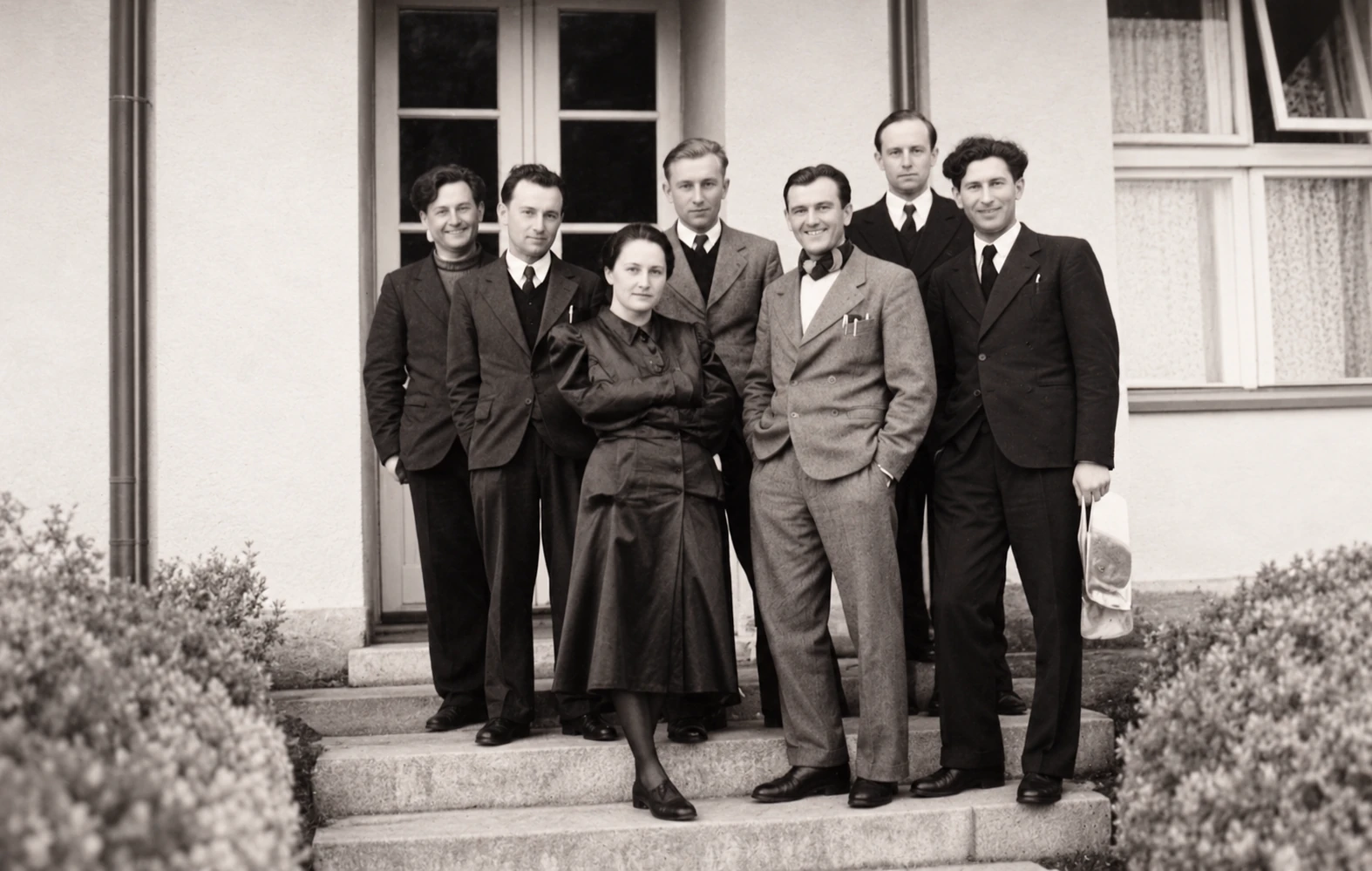

Several veteran pilots told me how pilots travelled to Vajnory during the SLeS period. The Aeroclub used something between an open-top bus and a truck. The city terminus was beside the Avion building on Americké Square, where there used to be a bus stop; the other terminus was Vajnory airfield. Smiling in the middle of the truck bed is Marta Pavlíková.
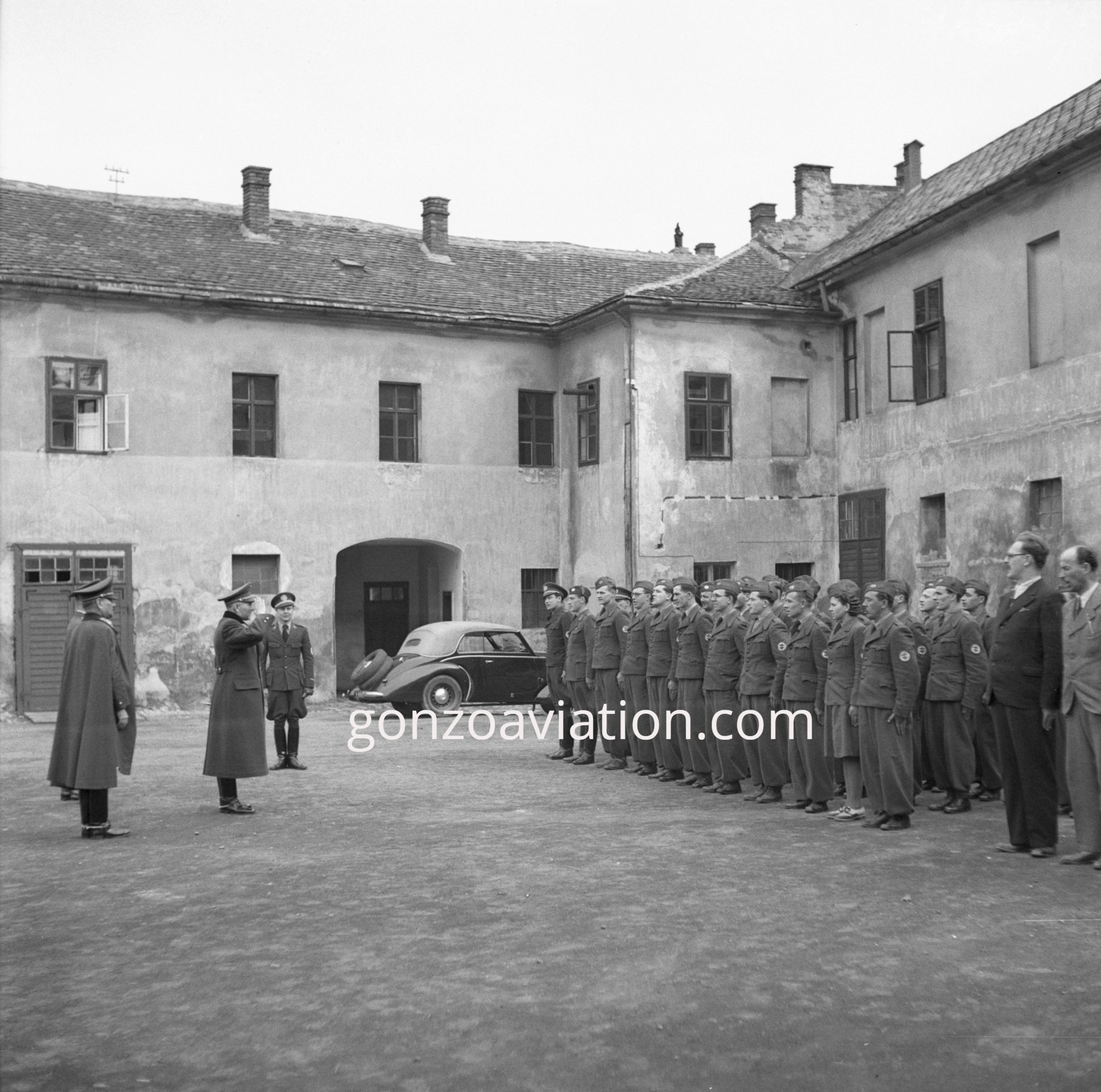
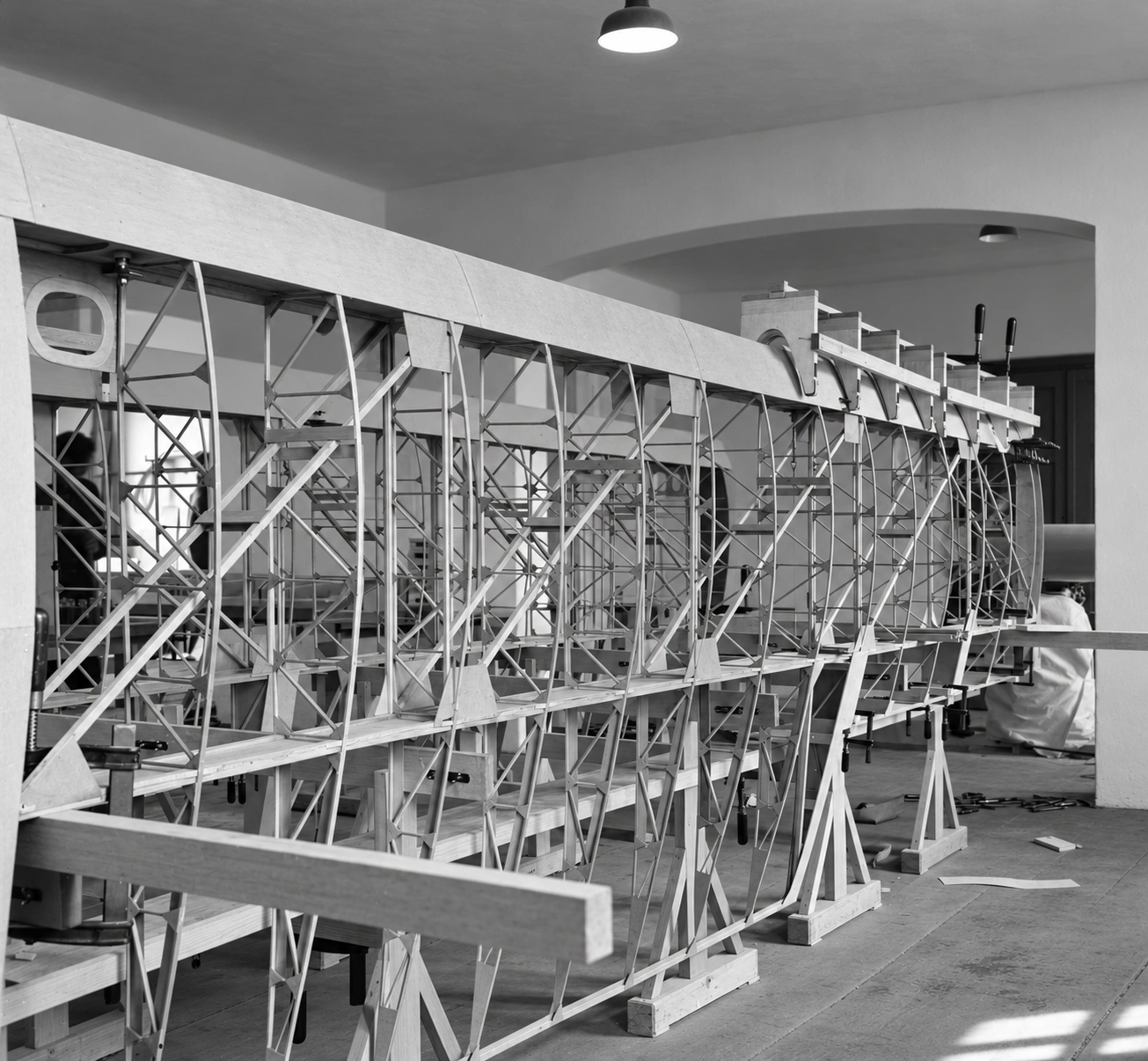
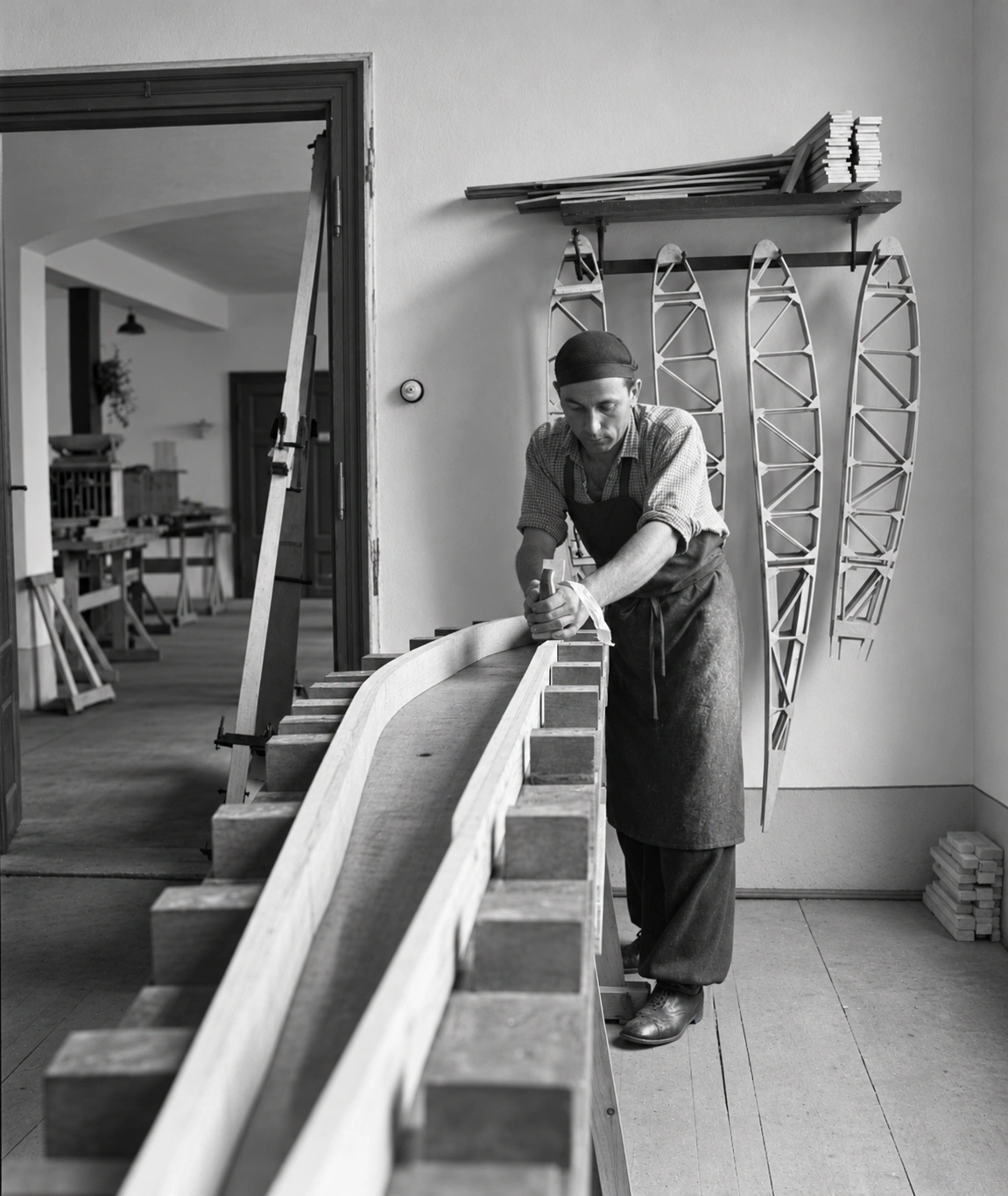
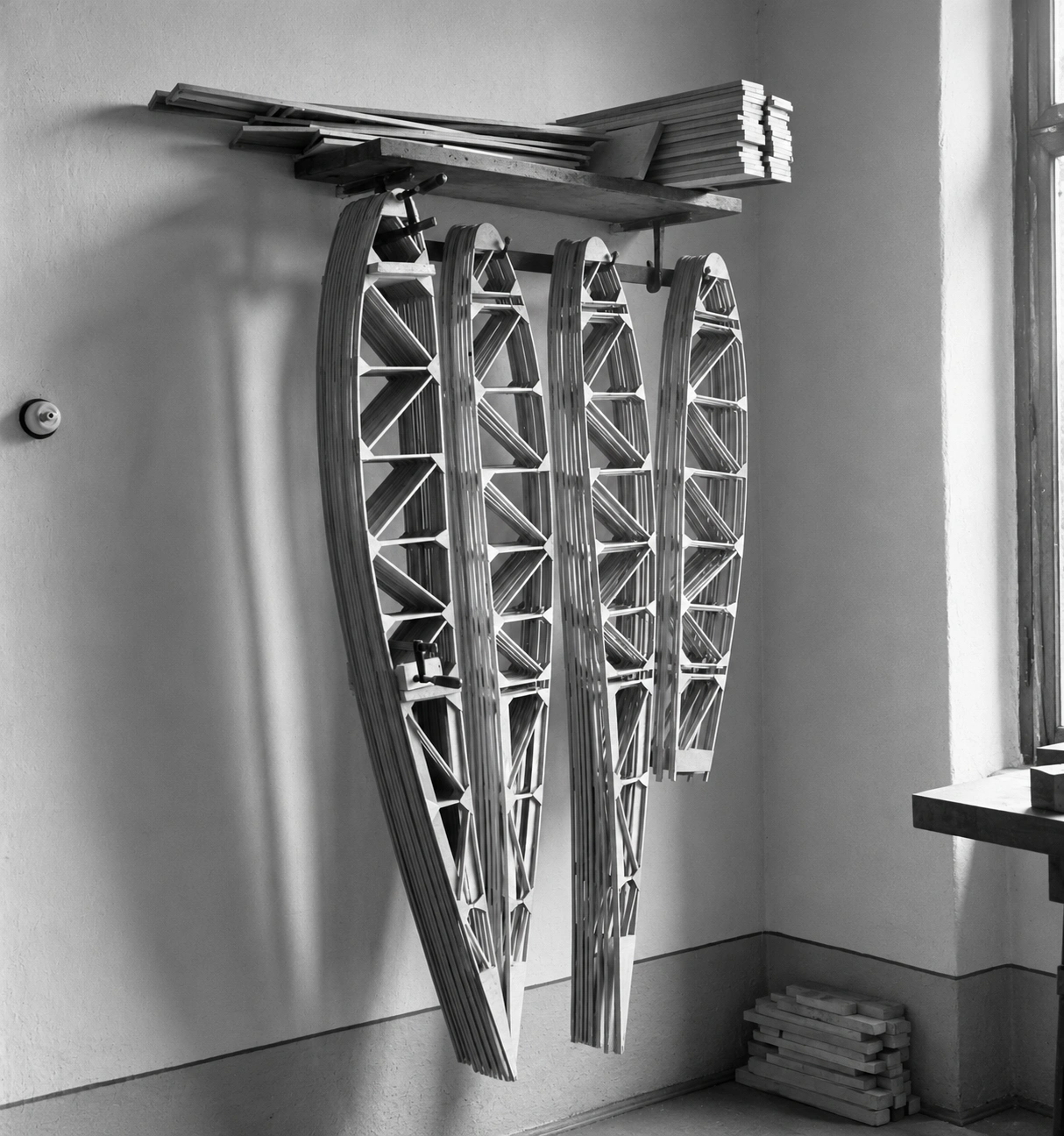
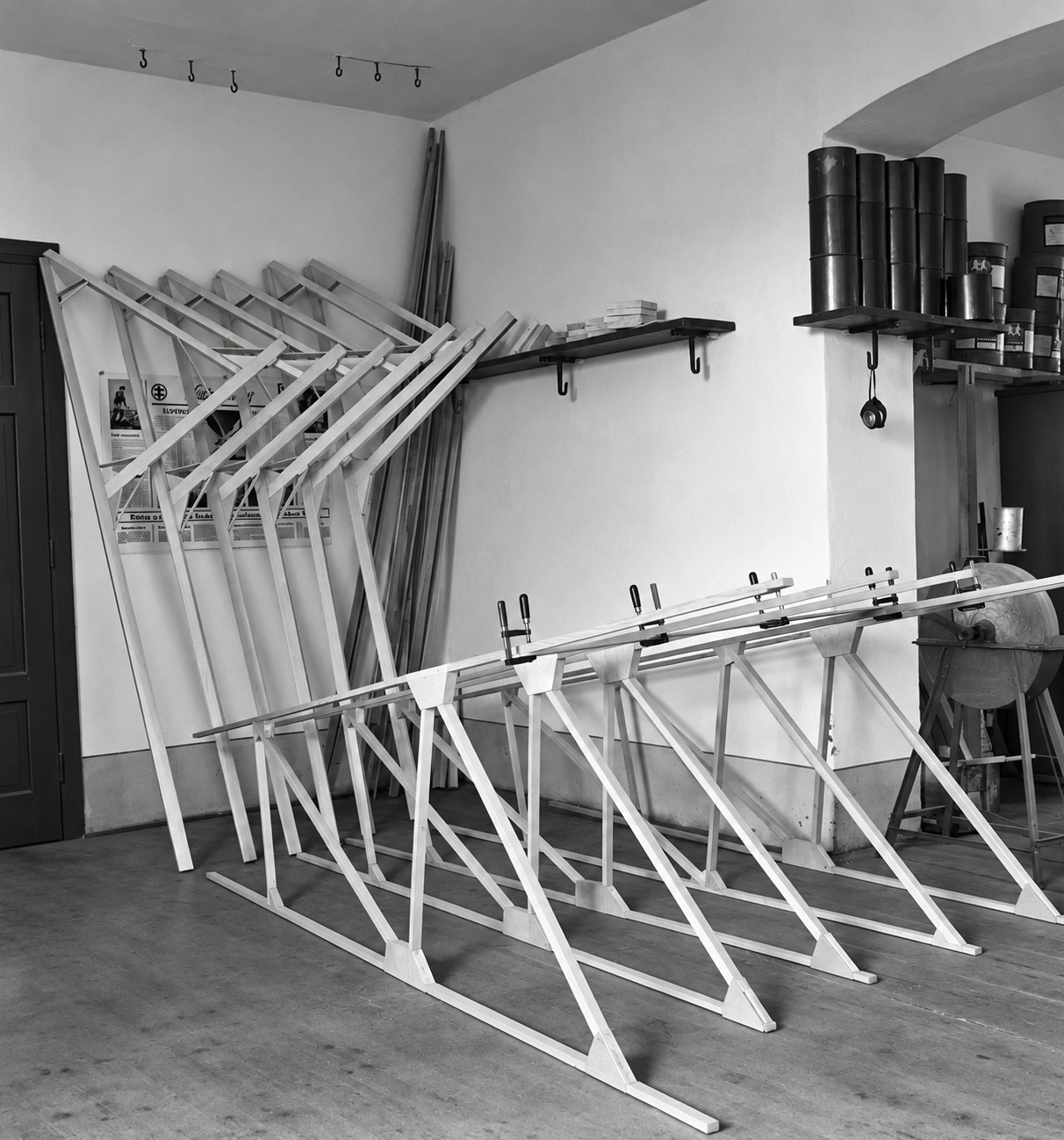
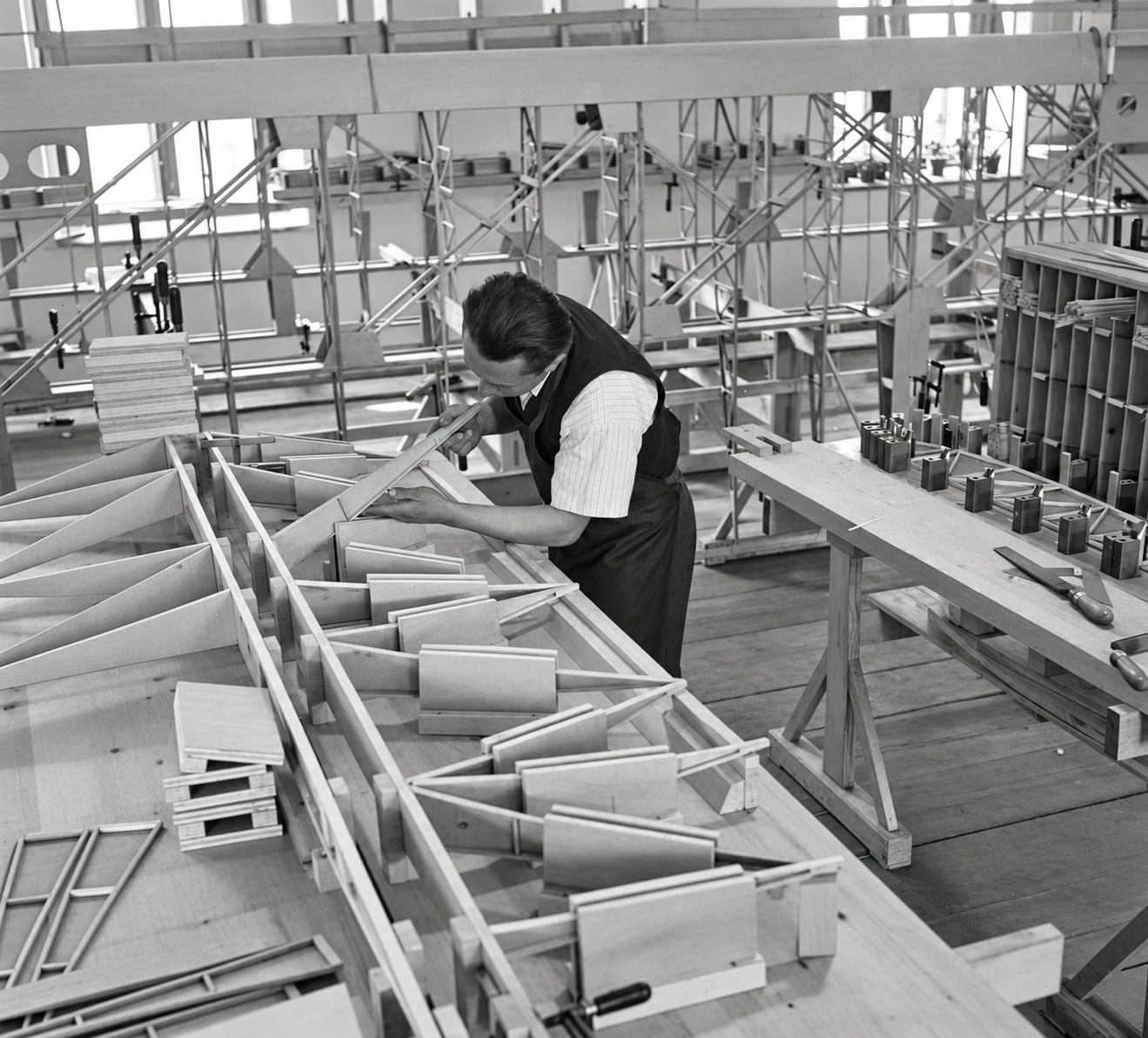
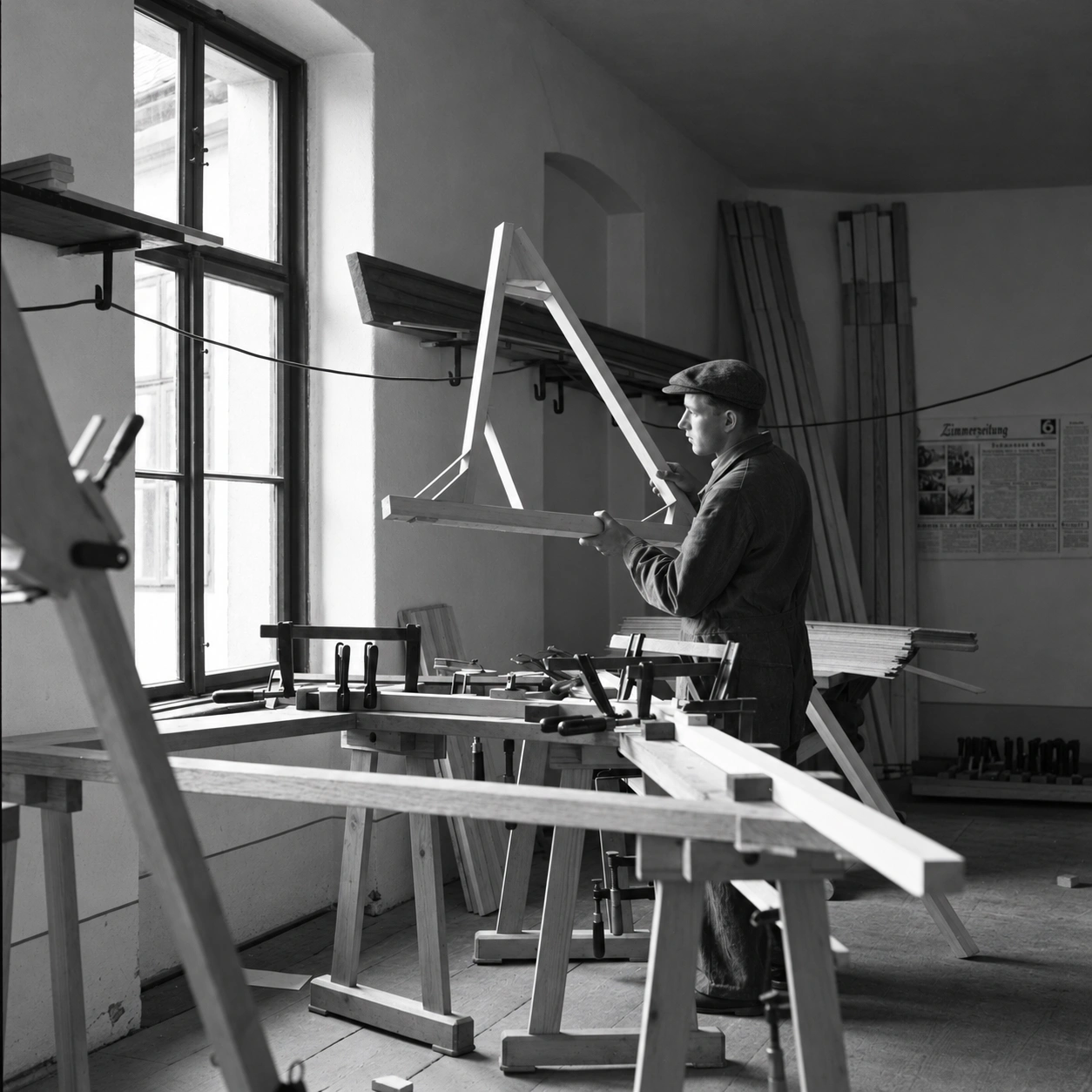
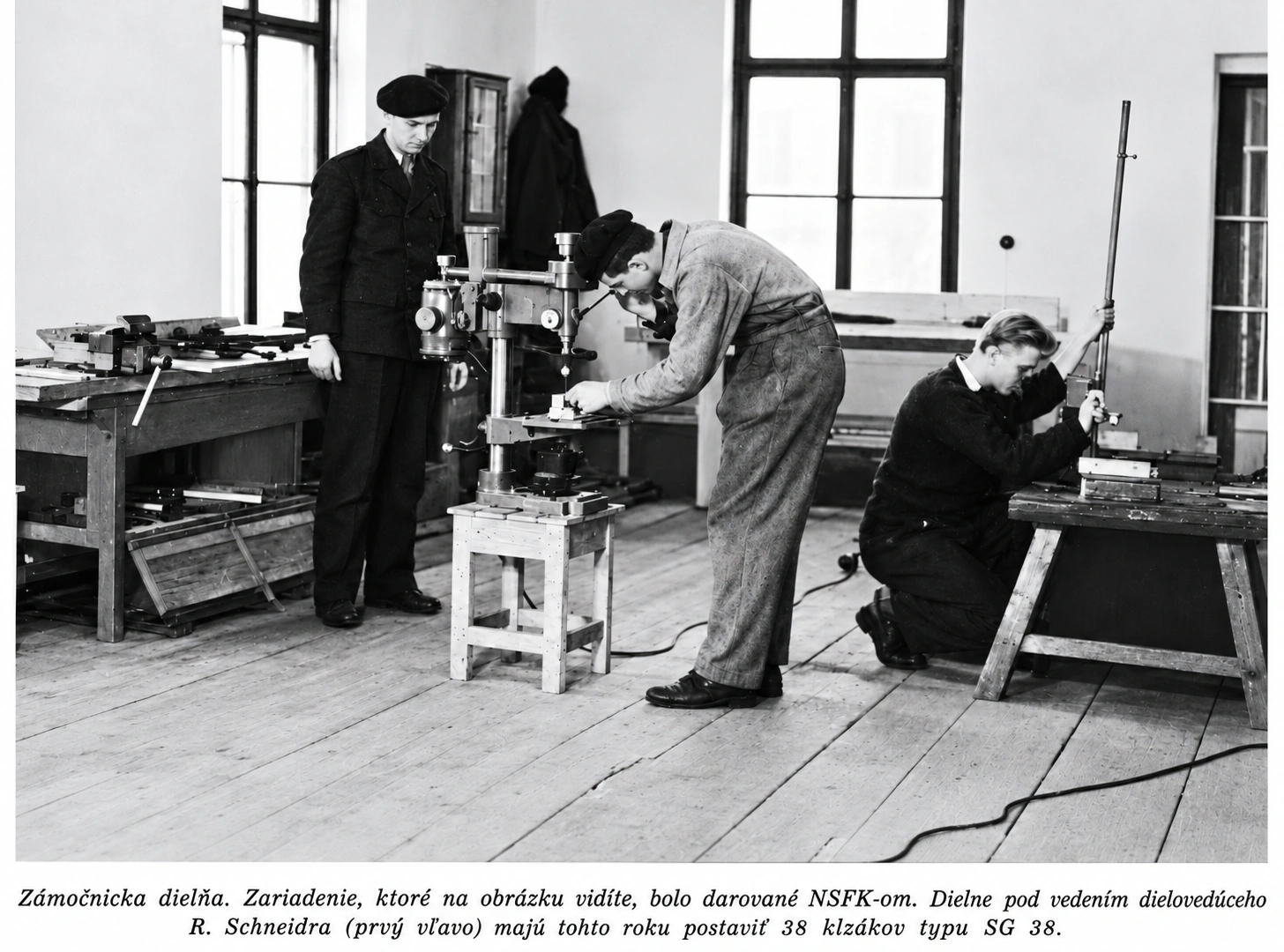
SG-38 production at SLeS Workshop I, Radlinského Street
During the First Slovak Republic, the Slovak Aviation Corps (SLeS) built Schulgleiter SG-38 training gliders in central Bratislava at 24 Radlinského Street, approximately where the swimming pool of today’s Jura Hronca student residence stands.
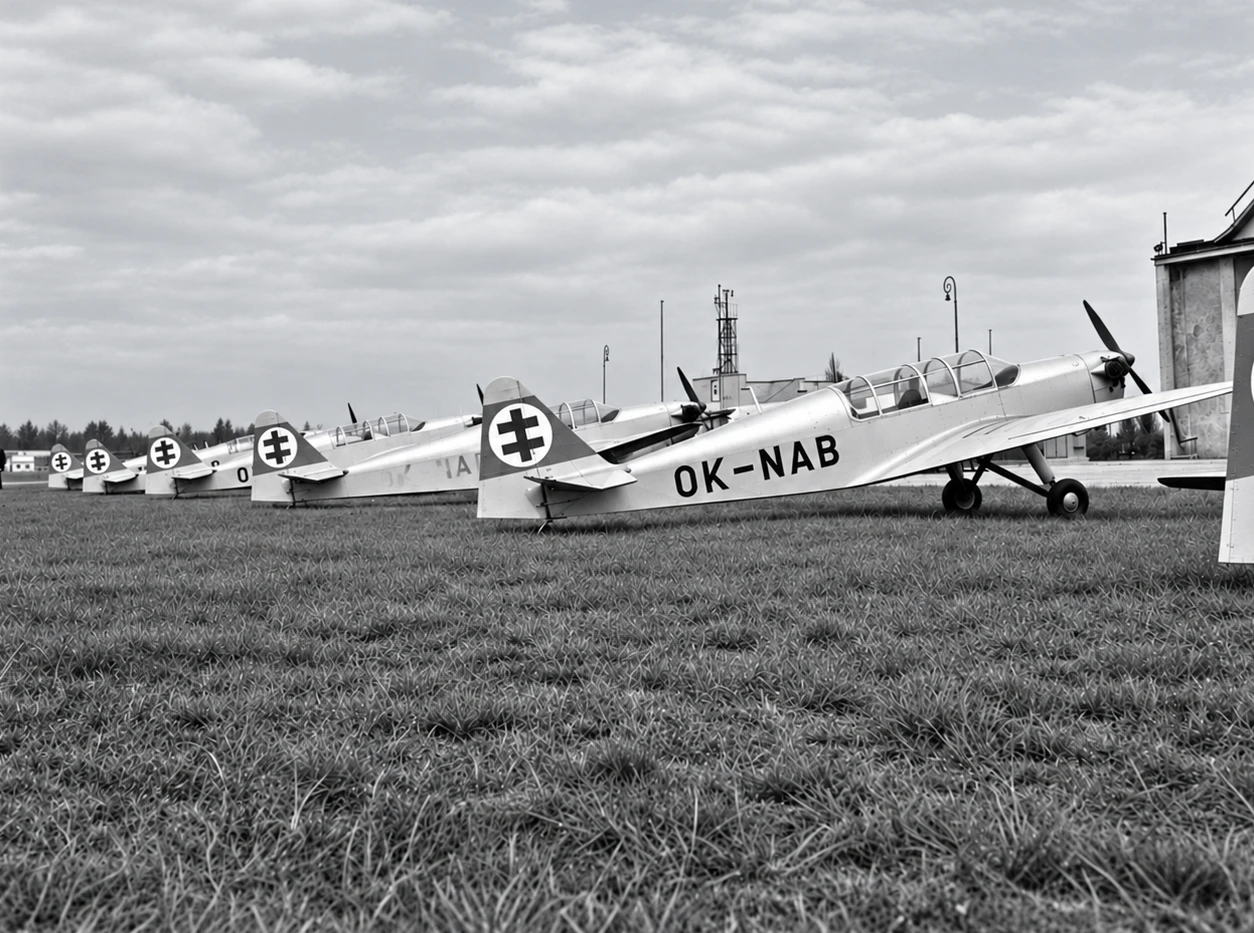
The Slovak Aviation Corps (SLeS) was founded in December 1940 as the sole organisation overseeing gliding and powered sport flying in Slovakia. At that time the German NSFK donated aircraft — 20 powered Zlín Z-XII machines — and technical documentation to SLeS. Based on the documentation, the Bratislava workshops began licence-building these all-wood German primary gliders for basic pilot training.
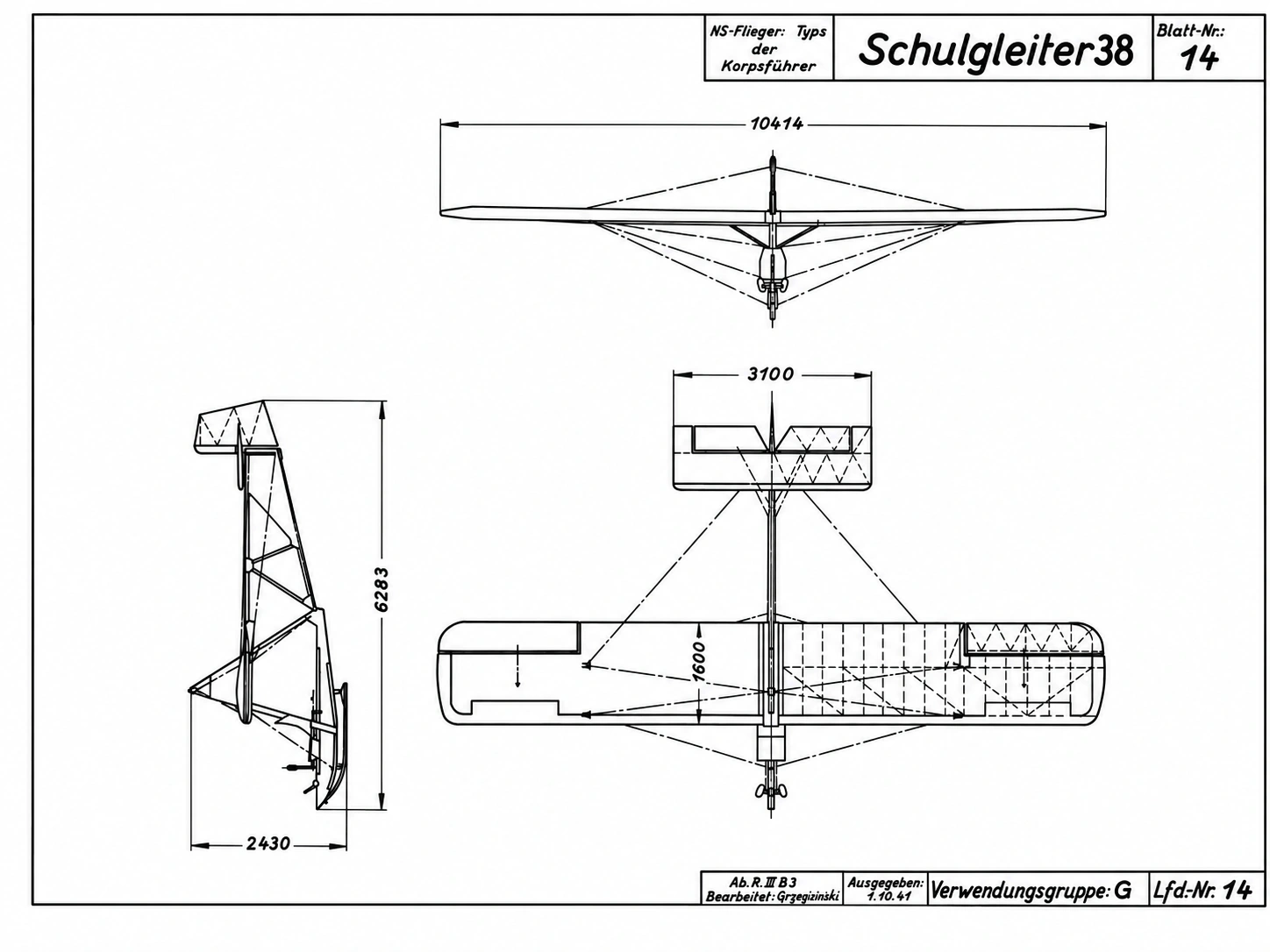
The exact number of SG-38s produced is unknown. It was probably a few dozen, estimated at no more than 30 gliders. They were built by hand in civilian workshop conditions at Workshop I. Besides completed gliders from Radlinského Street, some Slovak Aeroclubs, such as Banská Bystrica, built their own locally using supplied plans. During the war, glider production gradually moved to other workshops, including Trenčianske Biskupice.