Origins of Vajnory military airfield
Czechoslovakia’s creation on 28 October 1918 did not mean Slovakia was firmly incorporated into the new state — quite the reverse. Its territory had to be occupied militarily, Czechoslovak administration established and the new southern border with Hungary secured. The border was contested politically and militarily before the Treaty of Trianon was signed on 4 June 1920, and disputes continued during its demarcation on the ground.
Czechoslovak troops occupied Bratislava in early 1919. Only a month later, on 4 February 1919, Vavro Šrobár, Minister with Full Powers for the Administration of Slovakia, arrived by train from Žilina, his first headquarters. Accompanied by Czechoslovak legionnaires, he entered today’s Old Town along Štefánikova Street.
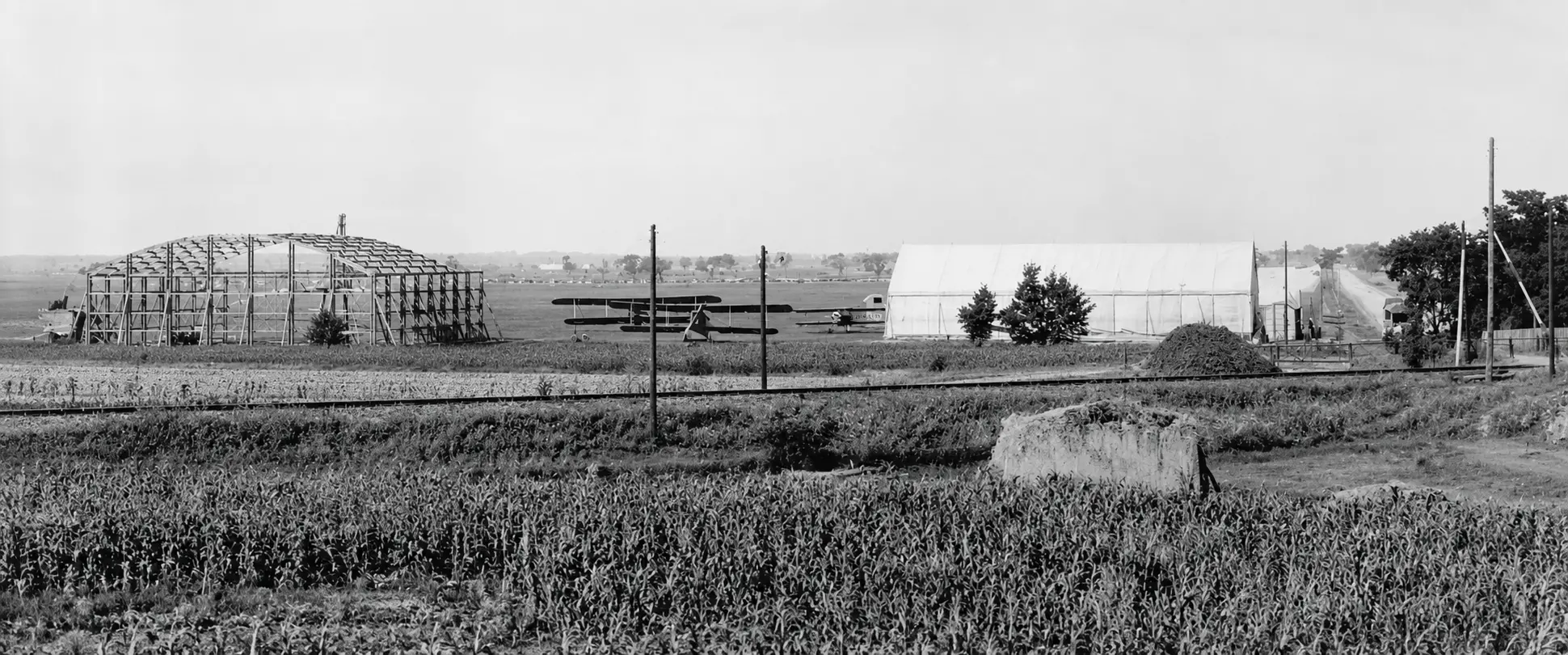
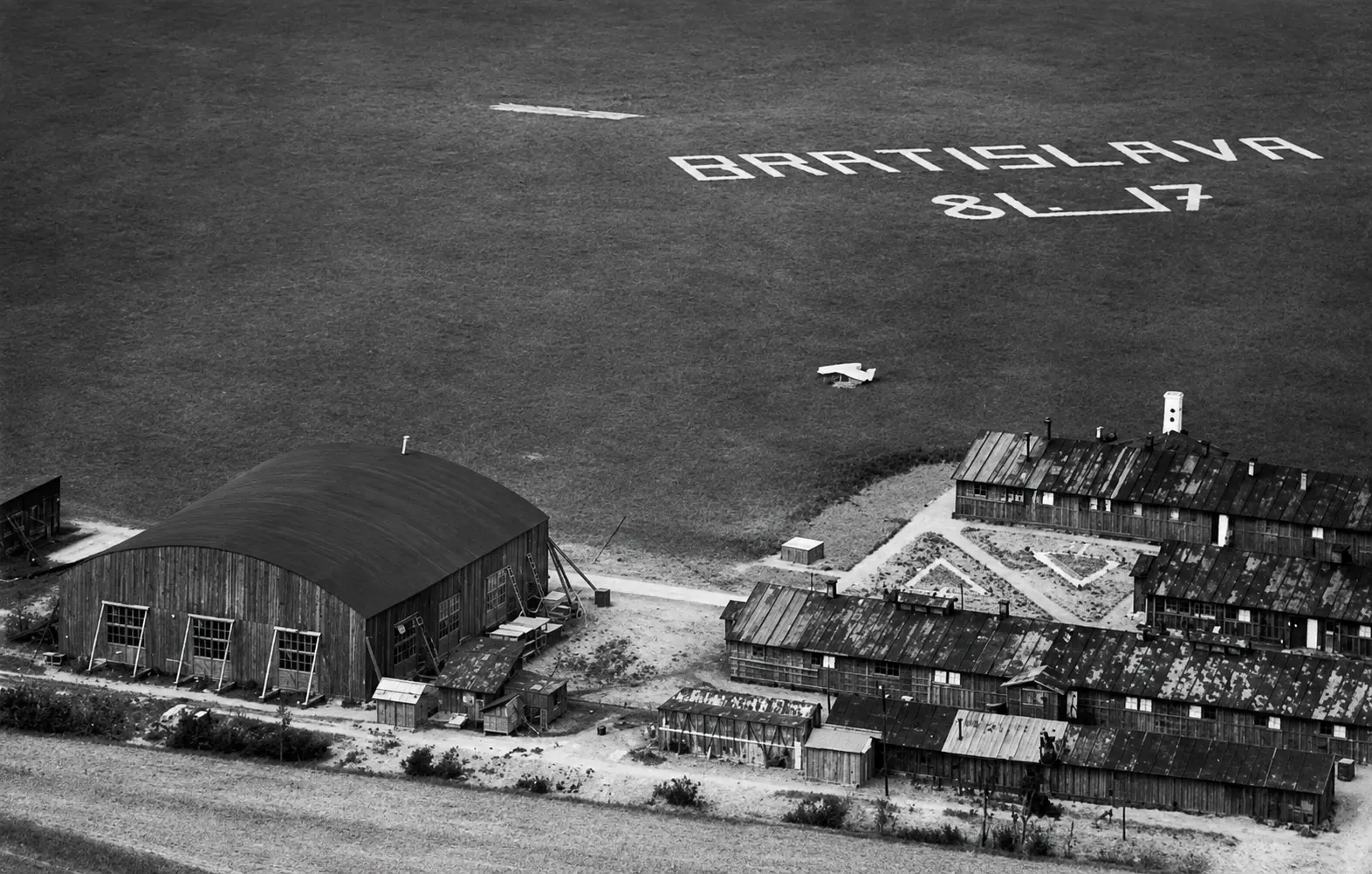
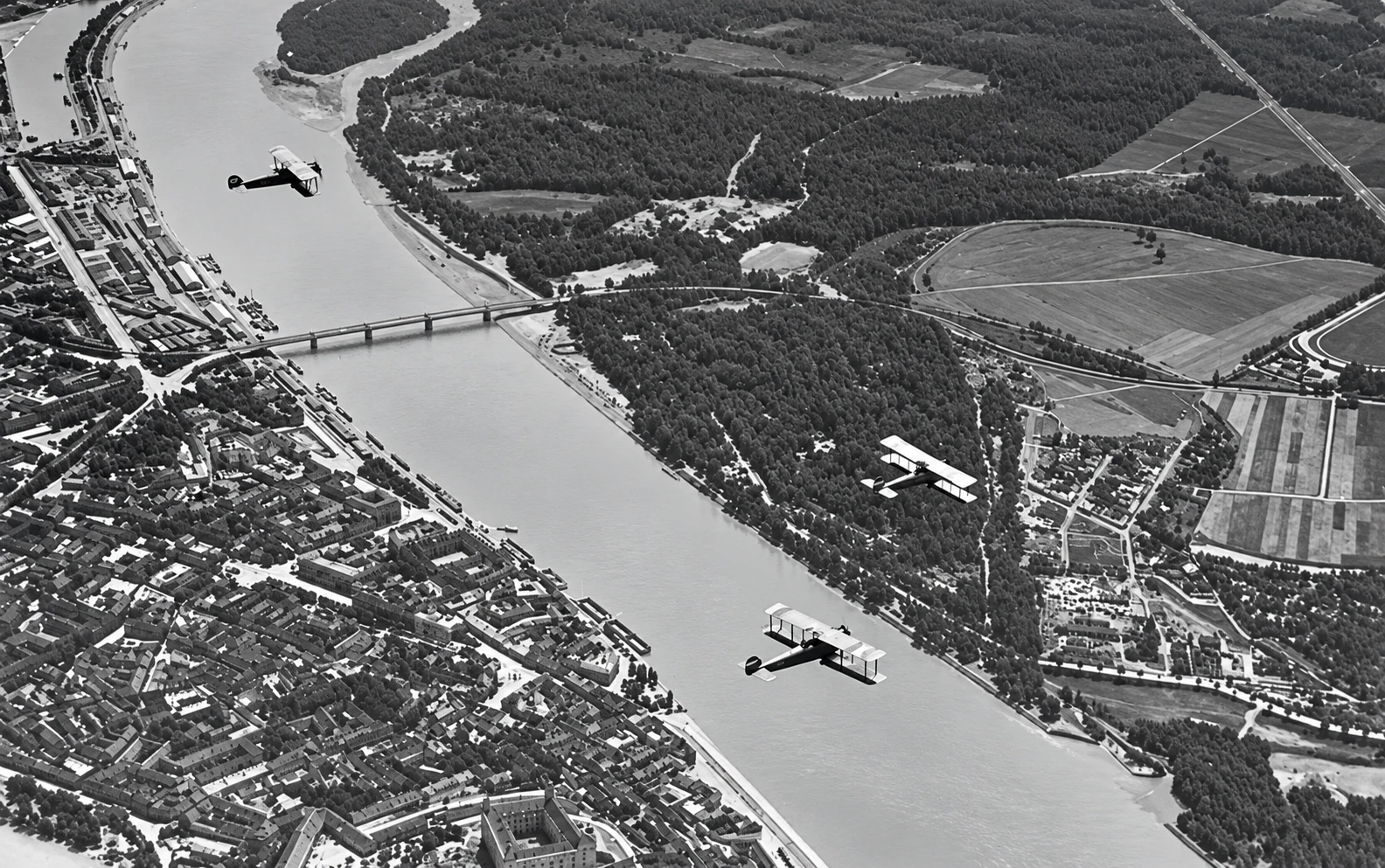
Czechoslovakia urgently needed military infrastructure to defend Bratislava and Slovakia’s southern border. I do not know the exact founding date of Vajnory military airfield. Its beginnings must therefore be reconstructed mainly indirectly, from Czechoslovak military aviation activity in western Slovakia in 1919.
Pezinok–Pažiť airfield
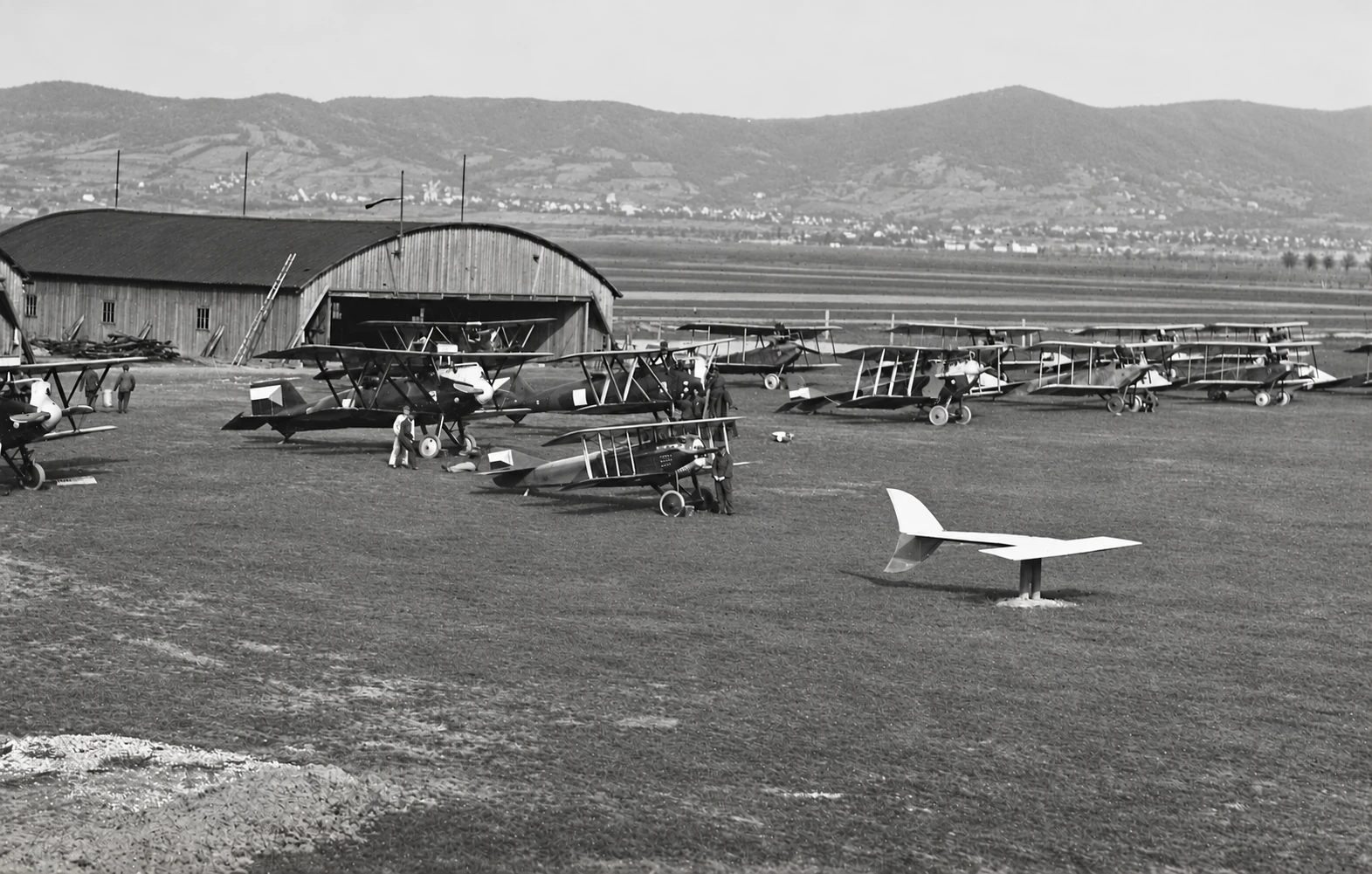
Pezinok’s field airfield was at Pažiť, on open grassland between today’s Slovak Police secondary vocational school and the former barracks, now the Specialised Court. Technical facilities occupied the former riding-school buildings on today’s SNP Street.
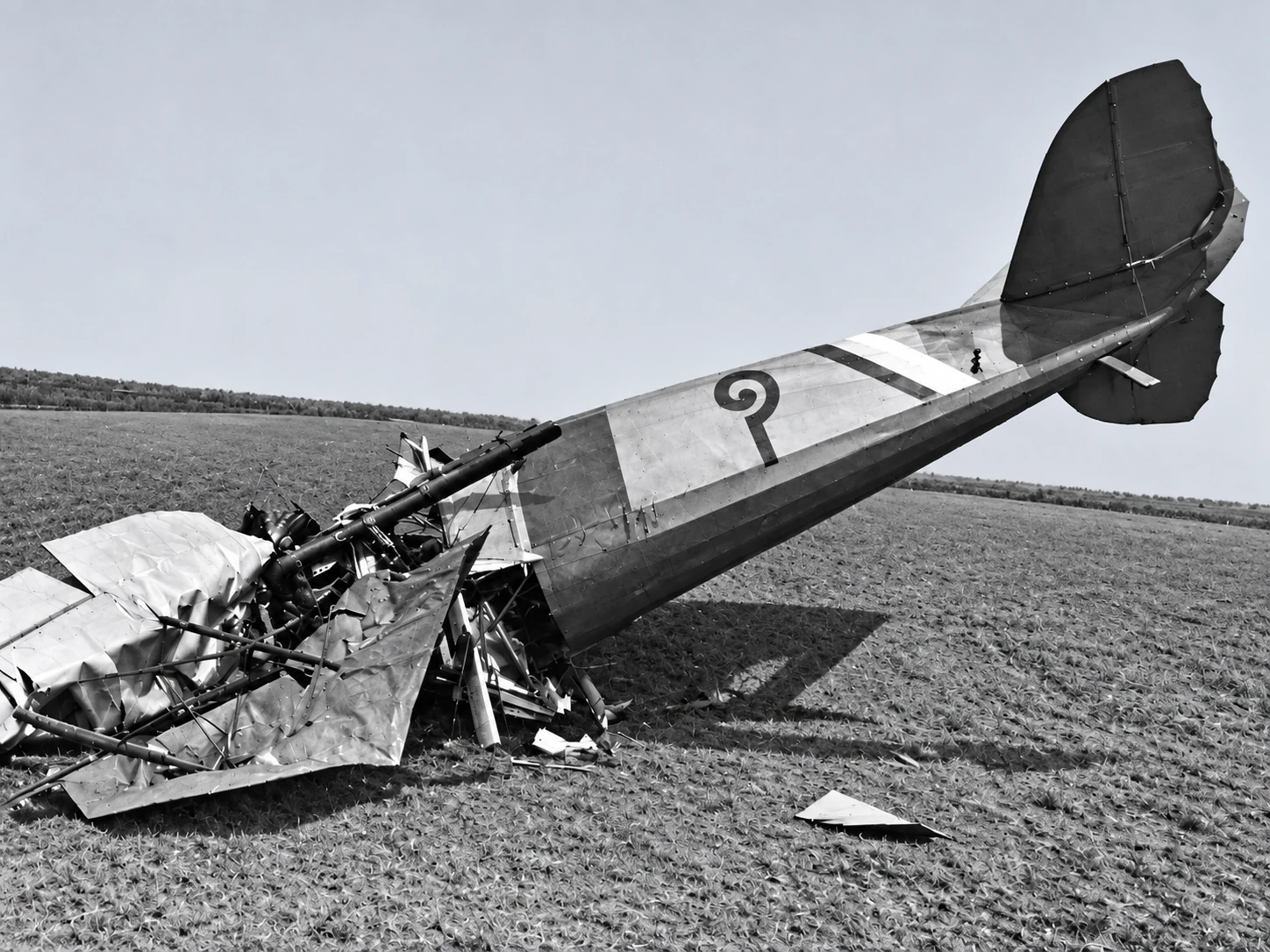
Operations there are documented by 10 April 1919, when a Czechoslovak Hansa-Brandenburg C.I crashed on landing — nothing unusual then. The photograph shows damaged landing gear.
Historian Peter Wittgrúber of Pezinok Municipal Museum states that the 1st Field Aviation Company moved to Pažiť on 4 May 1919. Its task was to protect Bratislava and monitor military developments in western Slovakia; it also joined operations against the Hungarian Soviet Republic.[1]
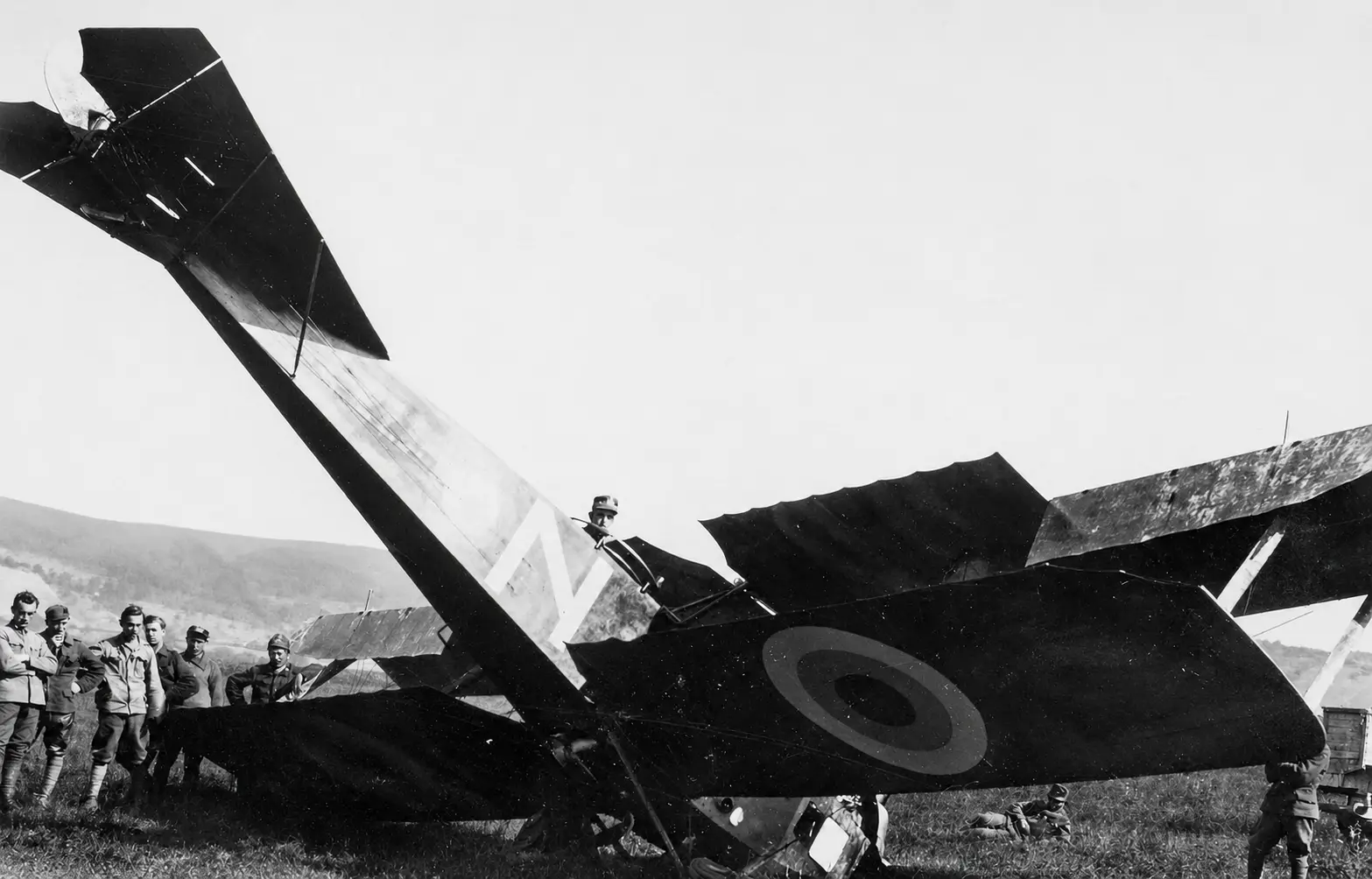
Captain Stanislav Novák commanded the company when it arrived at Pažiť. Captain Oldřich Hugo Betka took over on 17 May 1919, and operational flights from Pezinok began under his command.
Betka commanded four officers and 118 men. The company initially had four aircraft at Pezinok, but its fleet changed during May, June and July through losses, repairs and additional deliveries. Its organisational development continued through Aviation Company Bra-1 and Aviation Company 1, which flew to Vajnory in March 1920.[2]
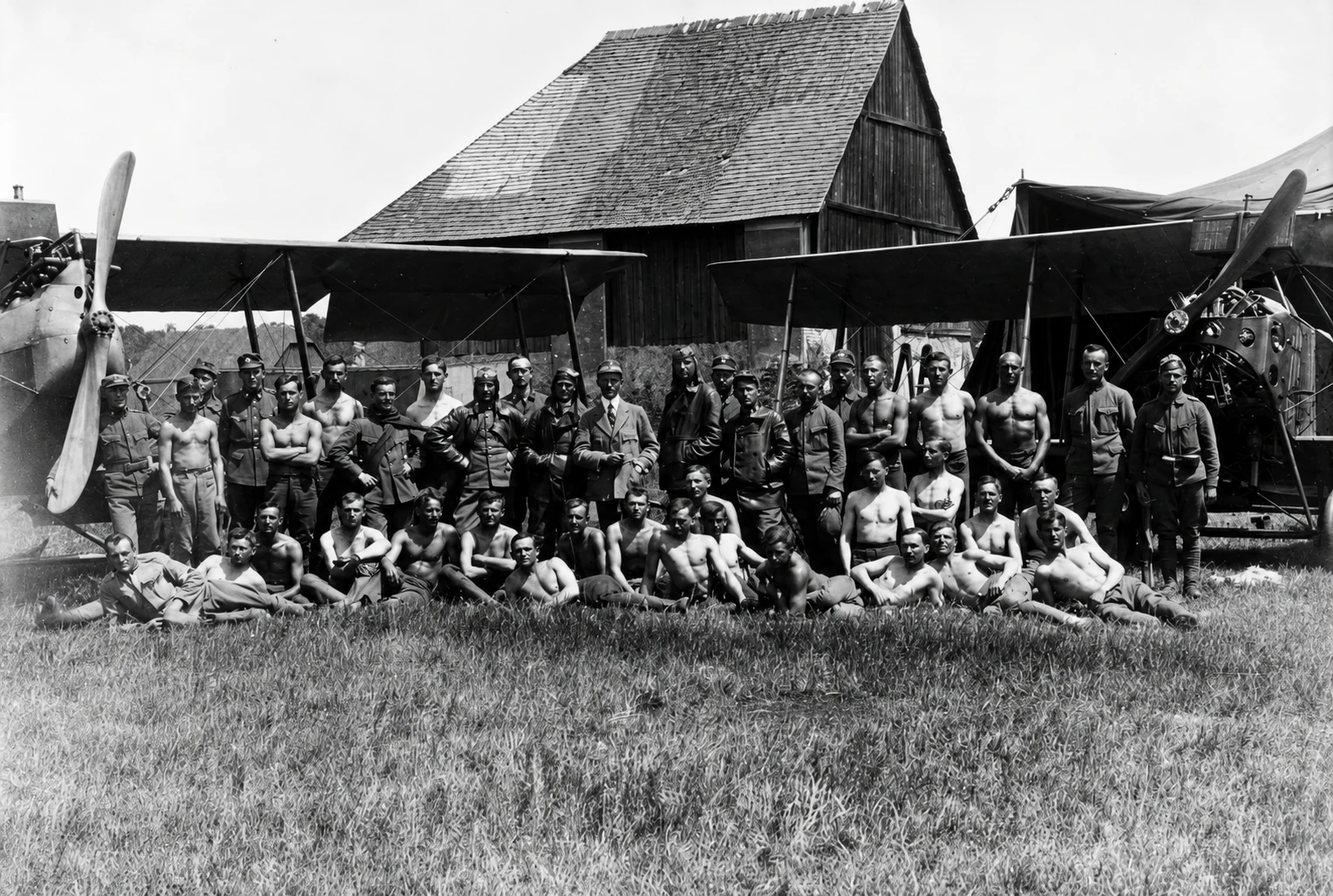
The following aircraft are documented during the company’s service at Pažiť:
- Hansa-Brandenburg C.I (Ph) 27.88
- Hansa-Brandenburg C.I (U) 169.99
- Hansa-Brandenburg C.I (Ph) 27.64
- Hansa-Brandenburg C.I (Ph) 129.18
- Hansa-Brandenburg C.I (U) 269.41
- Hansa-Brandenburg C.I (U) 169.70
- Anatra Anasal 010.106
- Anatra Anasal 010.122
- LVG C.VI 48.69
- Ansaldo SVA 10 128/68
Sources for Pažiť
[1] Peter Wittgrúber: The 1st Field Aviation Company in Pezinok in 1919. Historika – Small Carpathian historical periodical, volume III, No. 1/2014, pp. 45–46. Pezinok Municipal Museum. Online document
[2] Military Historical Archive Prague, Aviation Corps collection.
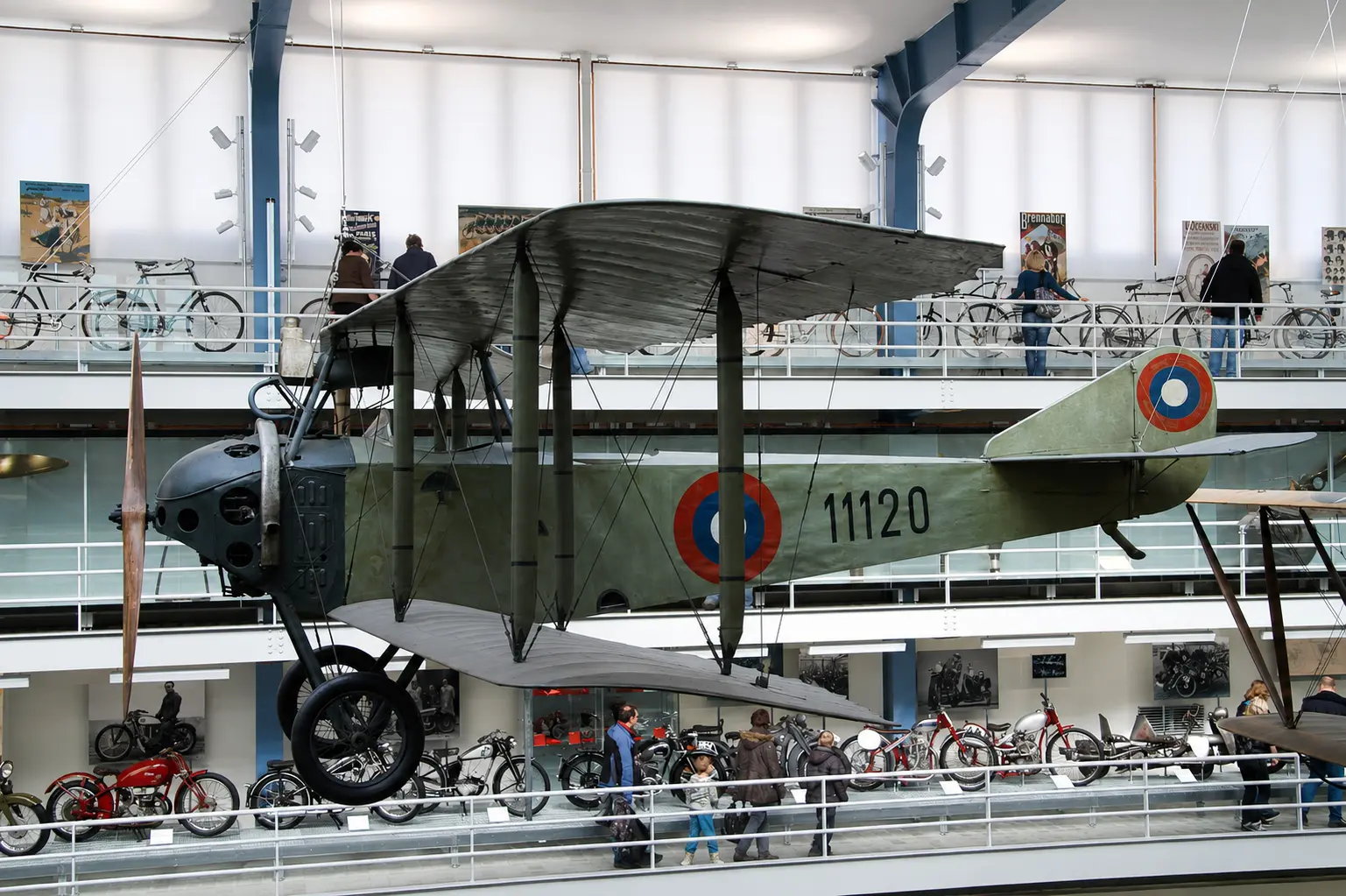
Anatra Anasal
The Anatra DS Anasal was a Russian two-seat reconnaissance biplane. French designer Elysée Alfred Descamps designed it at the Odesa factory of Arturo Anatra, a local industrialist of Italian descent. It first flew in 1916. “Anasal” combined Anatra and Salmson, referring to its Salmson engine.
In March 1918, after the Treaty of Brest-Litovsk, Austro-Hungarian forces occupied Odesa. They found the Anatra factory intact, with many unfinished aircraft. Austria-Hungary ordered 200 of the type, designated Anatra C.I in its service, chiefly for training and observation.
By the end of the war in autumn 1918, the factory under Austrian control had produced and delivered another 114 aircraft. Total production reached 184. Many had Austrian markings hastily painted over their original Russian roundels.
At war’s end, the Austro-Hungarian army had dozens stored at Planá near Mariánské Lázně. They were in poor condition, but the emerging Czechoslovak air force lacked aircraft. After repairs, 23 airworthy Anasals entered Czechoslovak military service.
How the Anatra Anasal survived at the National Technical Museum
Before the Second World War, the Anatra Anasal now suspended in Prague’s National Technical Museum was stored at the Liberation Memorial on Vítkov Hill. Shortly after Czechoslovakia was occupied in March 1939, it and the LWF Model V Tractor were moved to the museum for fear of destruction. This saved the machine; it is now the world’s only surviving original Anatra Anasal.
Gen. Luigi Giuseppe Piccione
Gen. Luigi Giuseppe Piccione (7 May 1866, Borgo Ticino – 11 April 1942, Trieste) was an Italian general, commander of the Czechoslovak Legions in Italy and, after Czechoslovakia’s creation, head of the Italian military mission. In 1919 he served as commander-in-chief of Czechoslovak forces in Slovakia.[1]
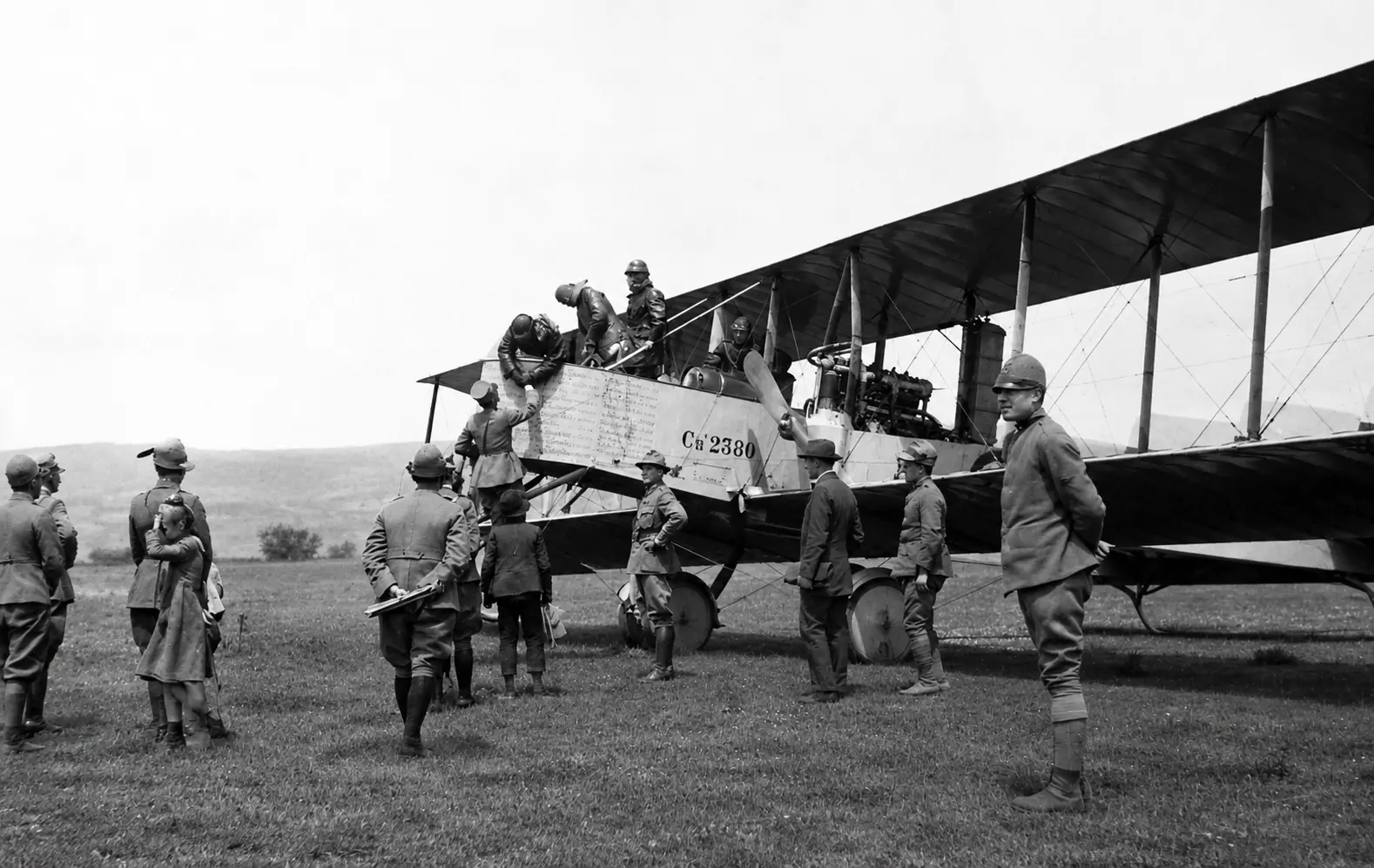
AI-enhanced photosource - Military Historical Archive Prague
At the end of the First World War he headed the Czechoslovak Army Corps formed in Italy, chiefly comprising the 6th and 7th Divisions. After returning home, its units played a major role in occupying and securing Slovakia.[2] On 27 December 1918, Piccione issued Operational Order No. 1, assigning tasks for occupying territory and securing borders. His command was among the new state’s earliest central military structures in Slovakia.[3]
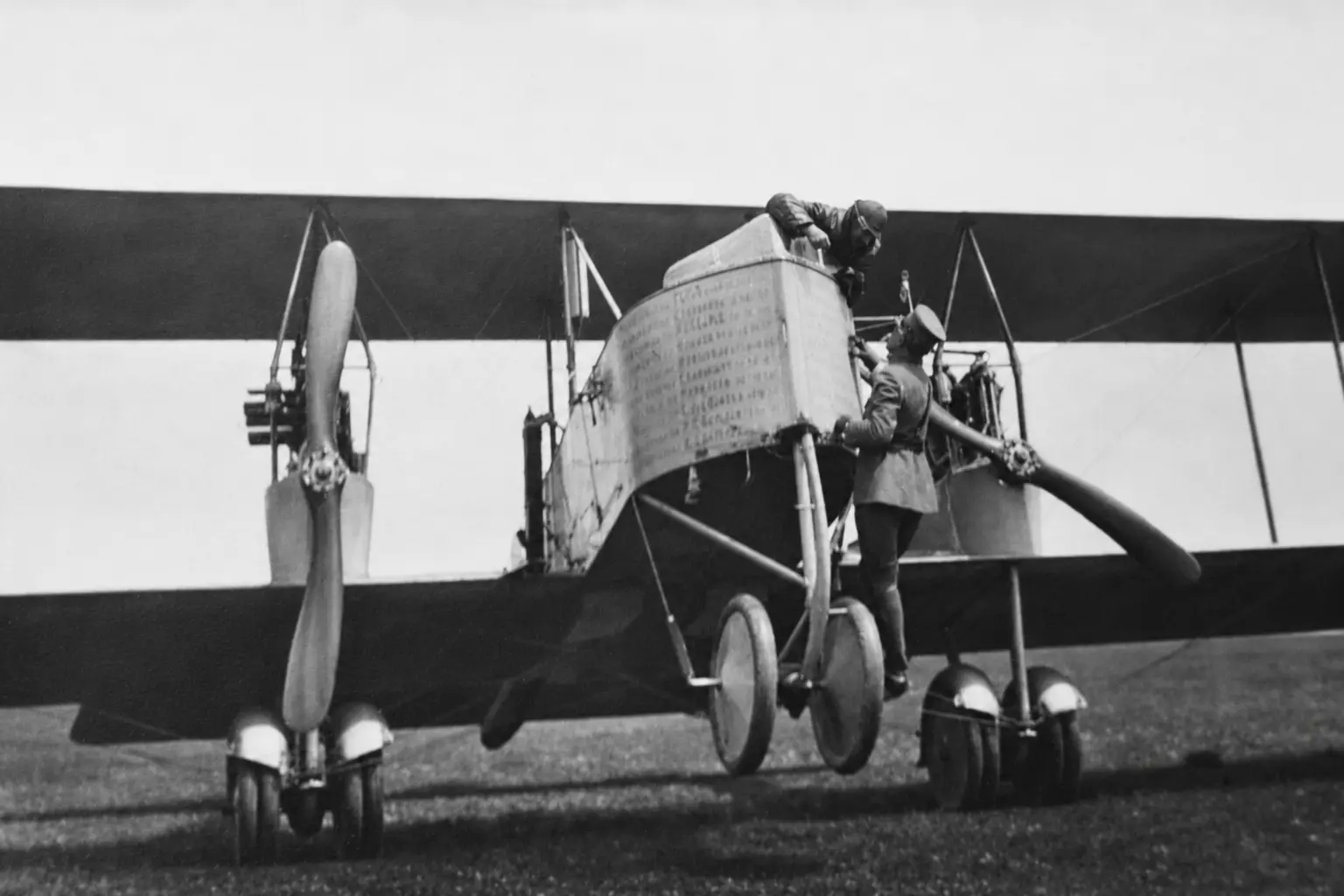
AI-enhanced photosource - Military Historical Archive Prague
After the Ministry with Full Powers moved to Bratislava, Piccione was directly involved in establishing the city’s new state and military arrangements. The Military Historical Archive documents his presence there on 5 February 1919 with Vavro Šrobár and Samuel Zoch, a Lutheran clergyman, bishop and politician.[4]
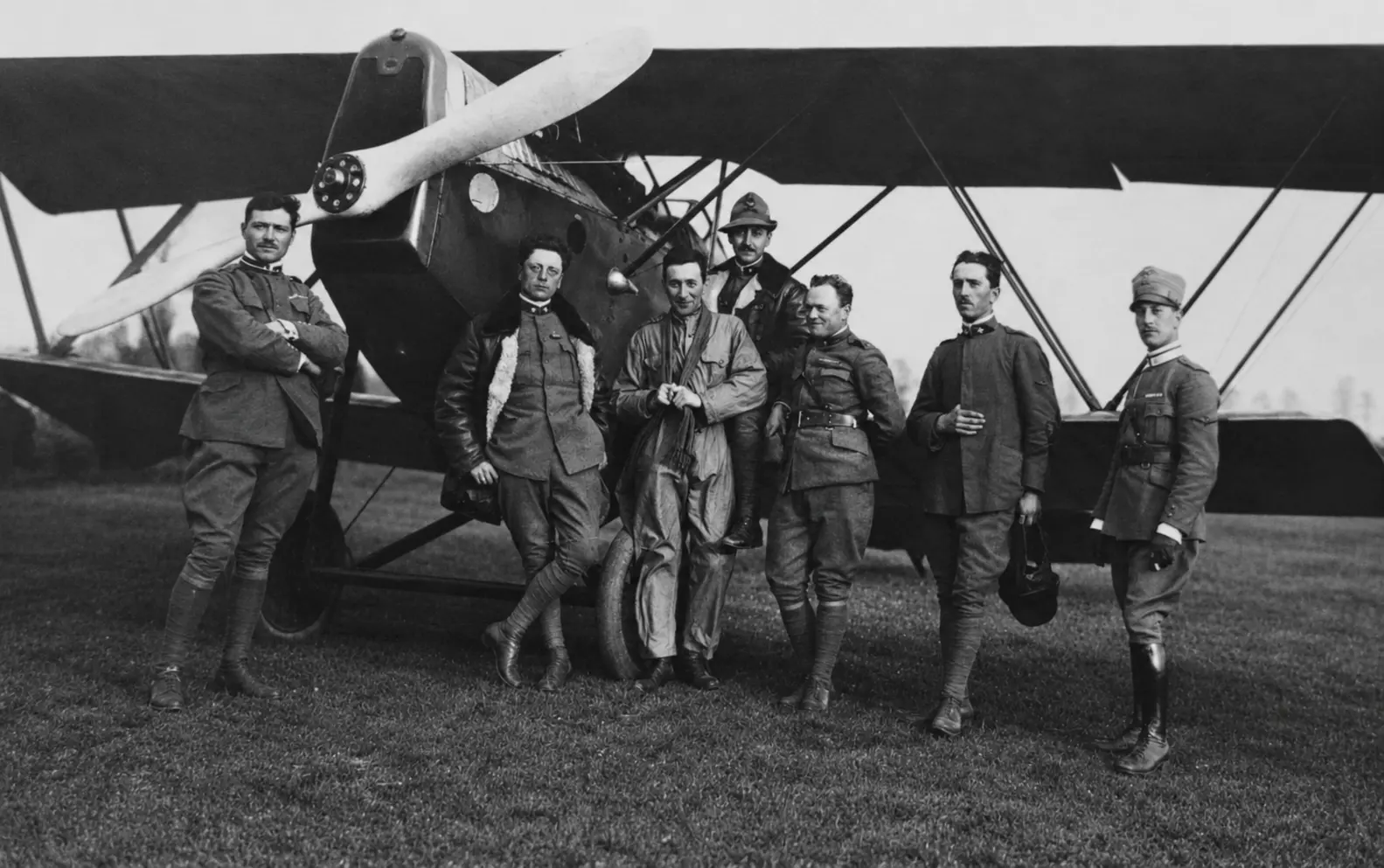
From 25 March 1919 he commanded the Western Army Group in Bratislava, during the fighting against the Hungarian Soviet Republic. Following command reorganisation in late May and early June, the French military mission took the leading role. On 1 June 1919, Piccione handed supreme command in Slovakia to French General Eugène Mittelhauser.[5][6]
With hindsight, we can only speculate whether the replacement of military missions was connected with the death of Gen. M. R. Štefánik, who had strong personal ties to Italy.
Gen. Piccione at Vajnory
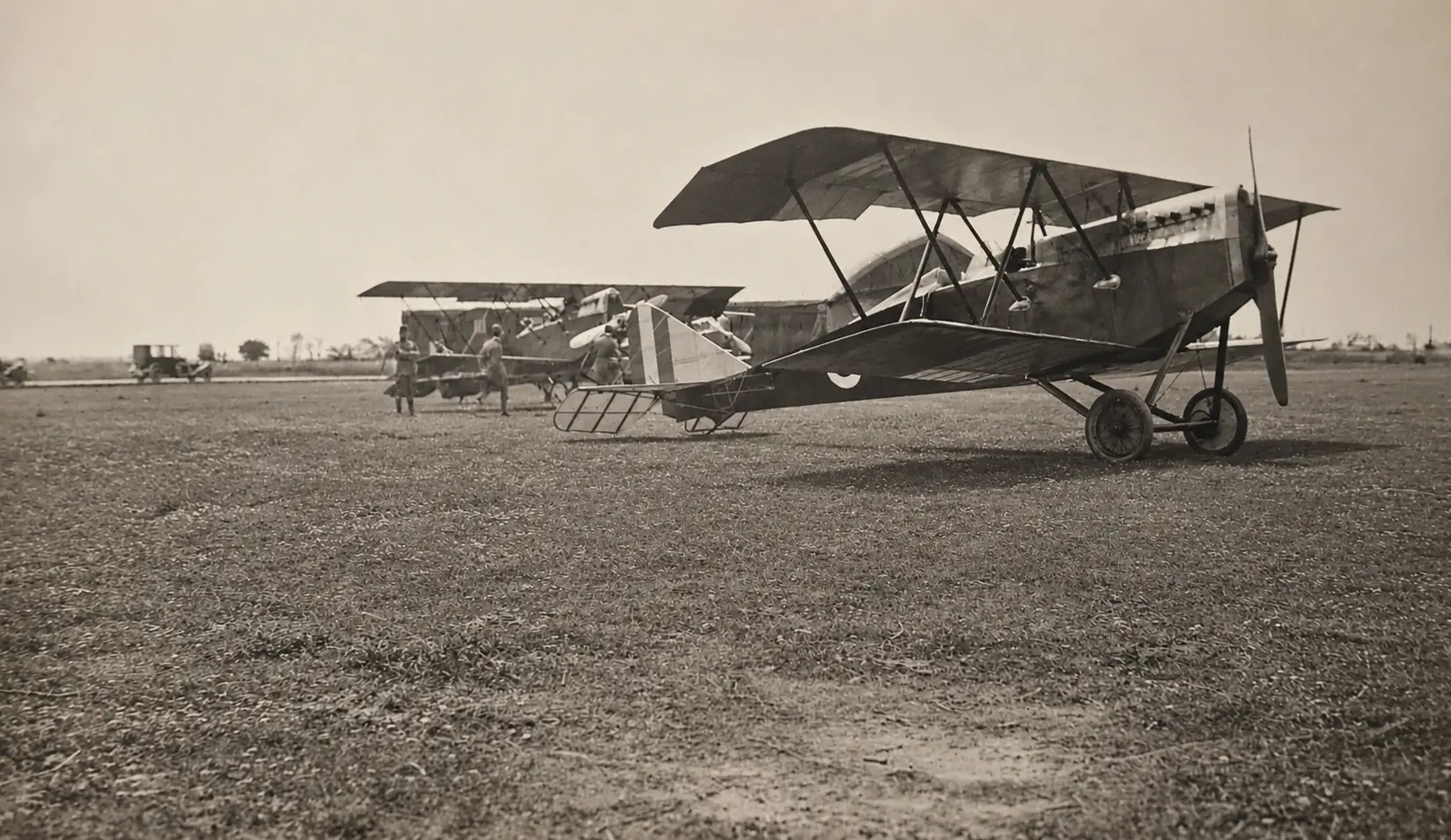
Vajnory’s local historical archive records Piccione’s official visit in spring 1919. One surviving photograph shows him with Vavro Šrobár, Colonel Radan Lášek, his aide-de-camp, Ferdiš Juriga, Vajnory parish priest in 1905–1918, and mayor Ján Orth.[7] This visit alone does not date the aviation photographs from Vajnory, however, and they should not automatically be linked to it.
Sources
[1] Jana Zaťková – Miloslav Čaplovič: Fighting for Slovakia 1918–1919, Military History Institute Bratislava. Biographical note on Luigi Giuseppe Piccione: 7.5.1866 Borgo Ticino – 11.4.1942 Trieste; Italian general, commander of the Czechoslovak Legions in Italy, head of the Italian military mission in Czechoslovakia and commander-in-chief in Slovakia in 1919.
[2] Military History Institute Bratislava: From the Po to the Danube — the Czechoslovak Legion. On the structure of the Czechoslovak Army Corps in Italy and Piccione’s command.
[3] Vojenská história, Military History Institute Bratislava. Piccione’s Operational Order No. 1 of 27.12.1918 and further orders securing Slovakia militarily.
[4] Military Historical Archive Bratislava, Photograph Collection, IV.F-152. Arrival of the Ministry with Full Powers for the Administration of Slovakia in Bratislava, 5.2.1919; photograph of Vavro Šrobár, Samuel Zoch and Luigi Piccione.
[5] Military Historical Archive Bratislava, Photograph Collection, IV.F-106. Handover of supreme Czechoslovak army command in Slovakia to Gen. Eugène Mittelhauser, Bratislava, 1.6.1919; photograph also includes Luigi Piccione and Vavro Šrobár.
[6] Military History Institute Prague: Centenary of the General Staff’s foundation in 1919. On the dispute over authority between Piccione and Pellé and the end of Italian command roles in Czechoslovakia. Online article
[7] Vajnory in memories: Šrobár and Piccione at Vajnory (1919). Local photographic source for Piccione’s visit. Online archive
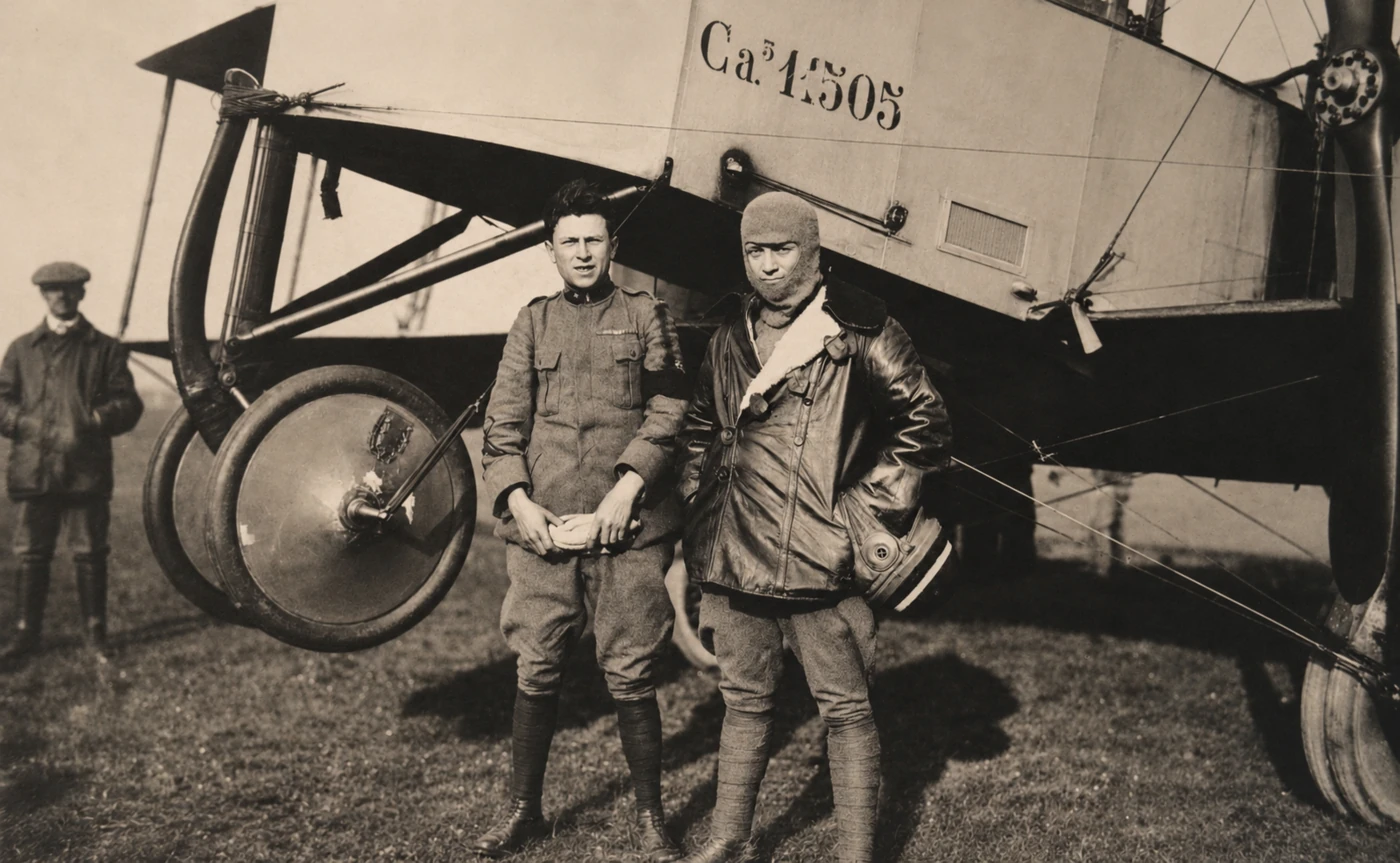
Arrival of French Escadrille Br.590 (1919)
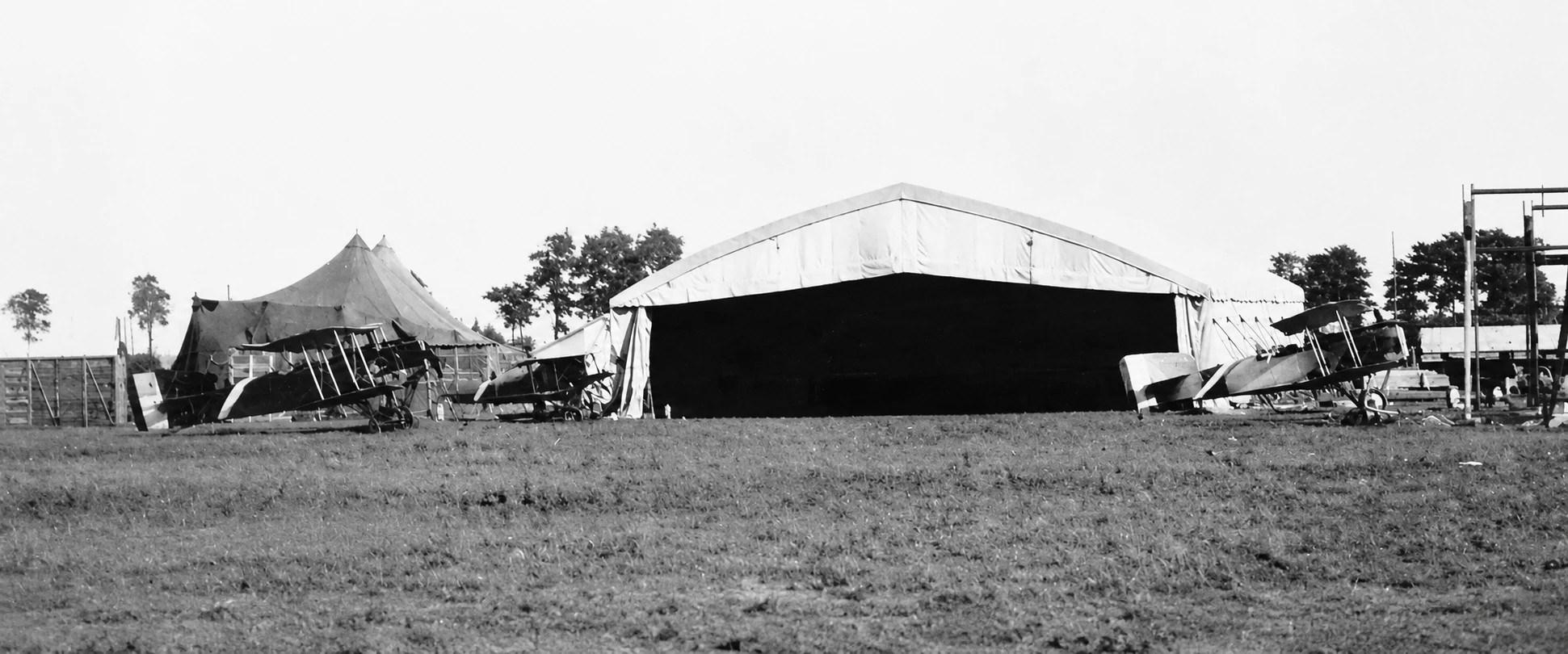
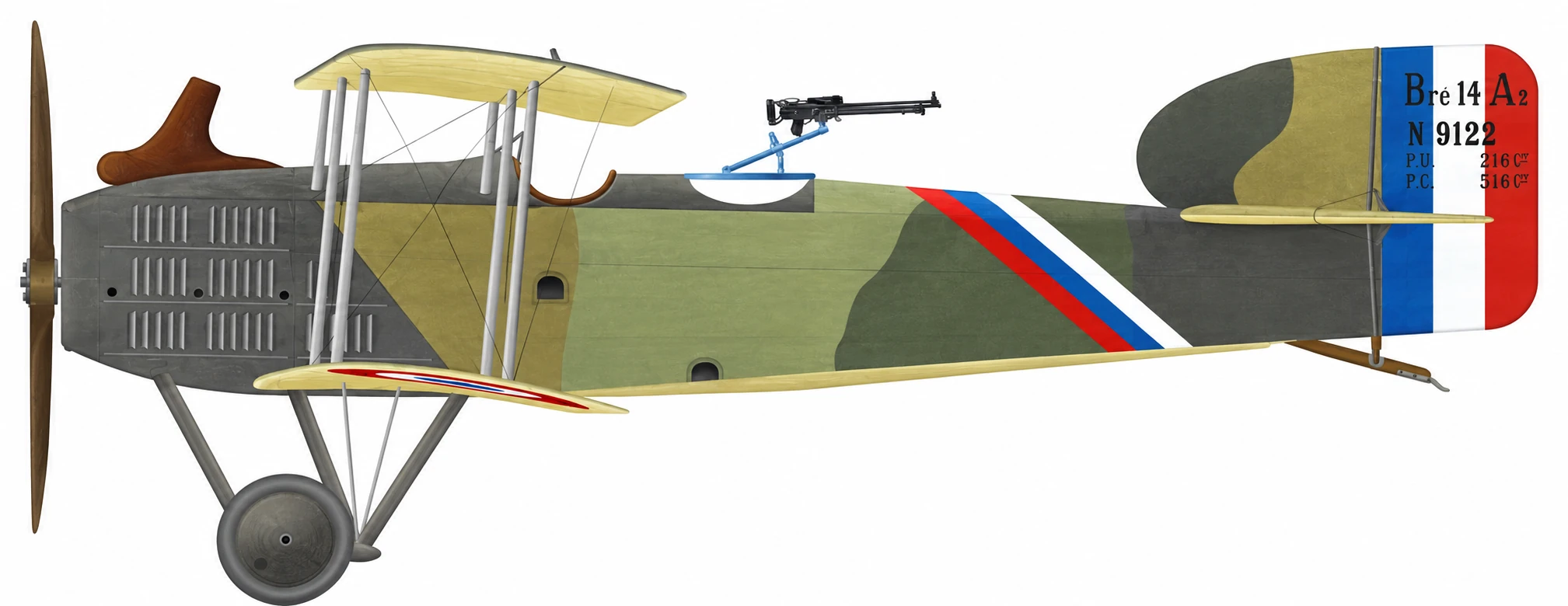
Escadrille Br.590 commander Capt. Georges Marcel Lachmann arrived from Kbely at Vajnory on 4 June 1919 in SPAD S.XIII C.1 No. 10.279. The following day he made a reconnaissance flight. Five of his unit’s Bréguet XIV A.2s joined him on 6 June. Reinforcements arrived on 12 June: two Salmson 2A.2 reconnaissance aircraft and one SPAD S.XIII C.1 fighter. During June the squadron flew reconnaissance and bombing missions from Vajnory against Hungarian Soviet Republic forces. Combat operations ended in early July. On 1 September 1919 it was reorganised at Vajnory as the 6th Aviation Company.
Sources: Letiště na okraji Prahy, Ministry of Defence of the Czech Republic, p. 17; Hadtörténelmi Közlemények 2011/2, p. 348.
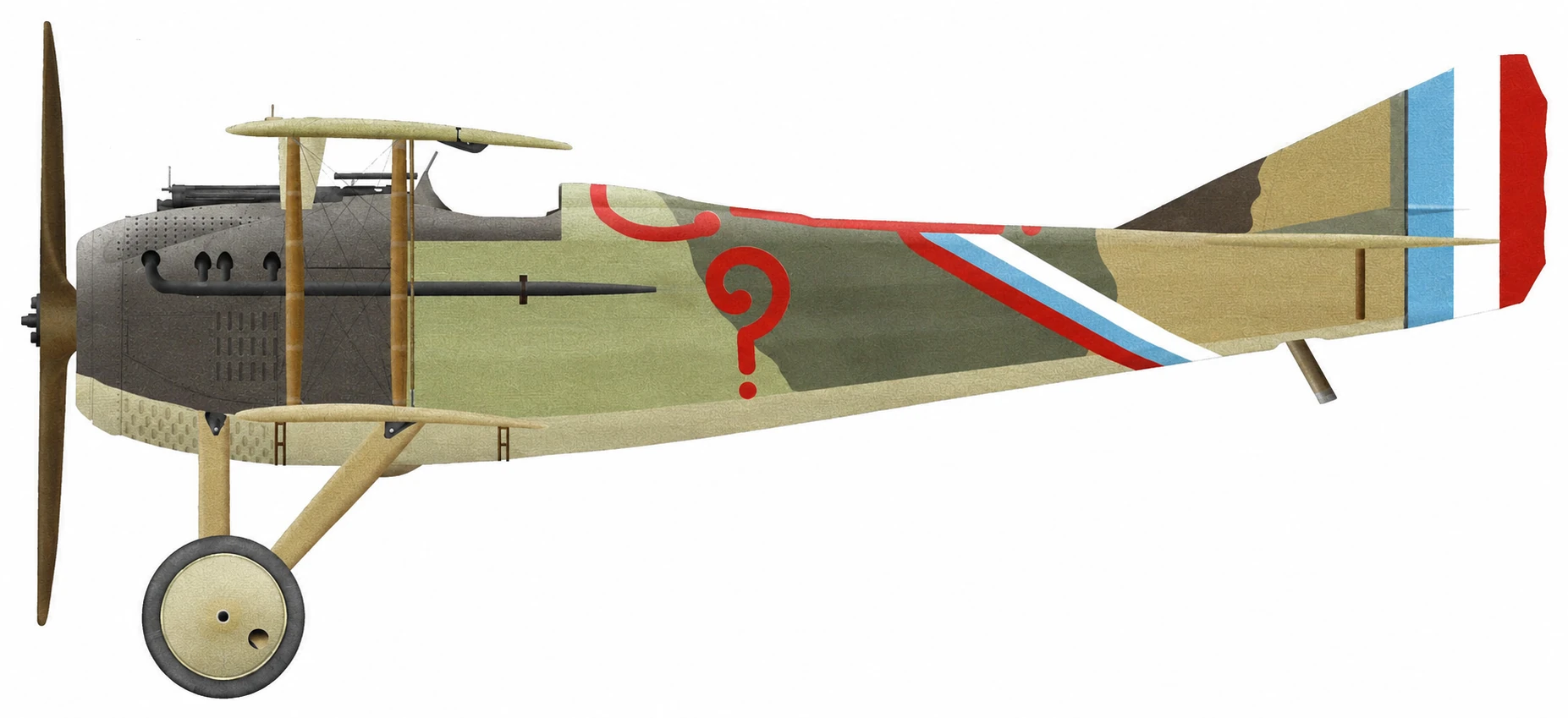
On 9 May 1920 Lachmann crashed SPAD S.XIII No. 10.279 while landing in fog at Vajnory. It was repaired. On 26 May 1920 he crashed a SPAD S.VII and was slightly injured. The second accident’s location is uncertain: either Nitra or Bratislava-Vajnory is given.
Vajnory Standby Squadron
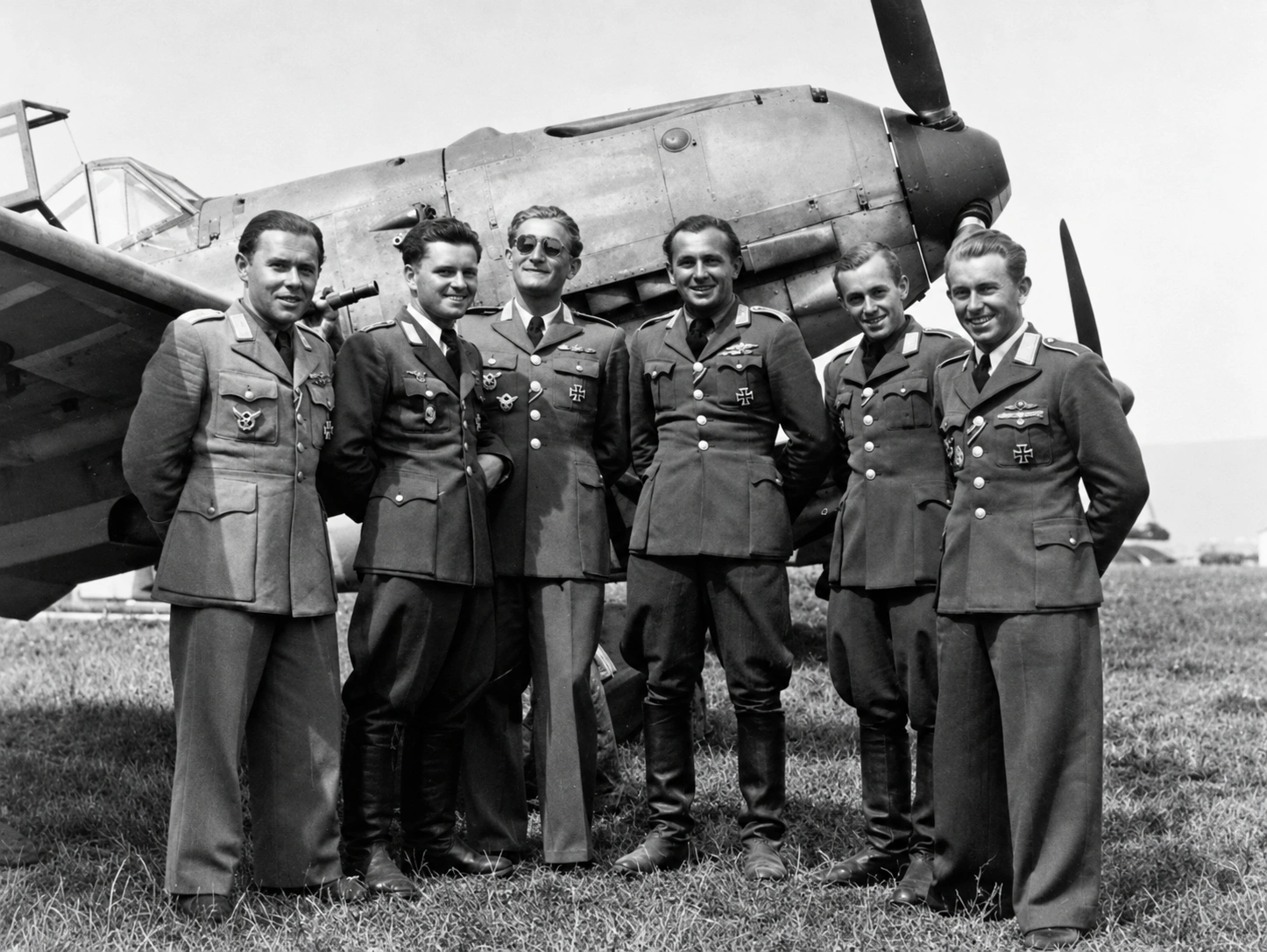
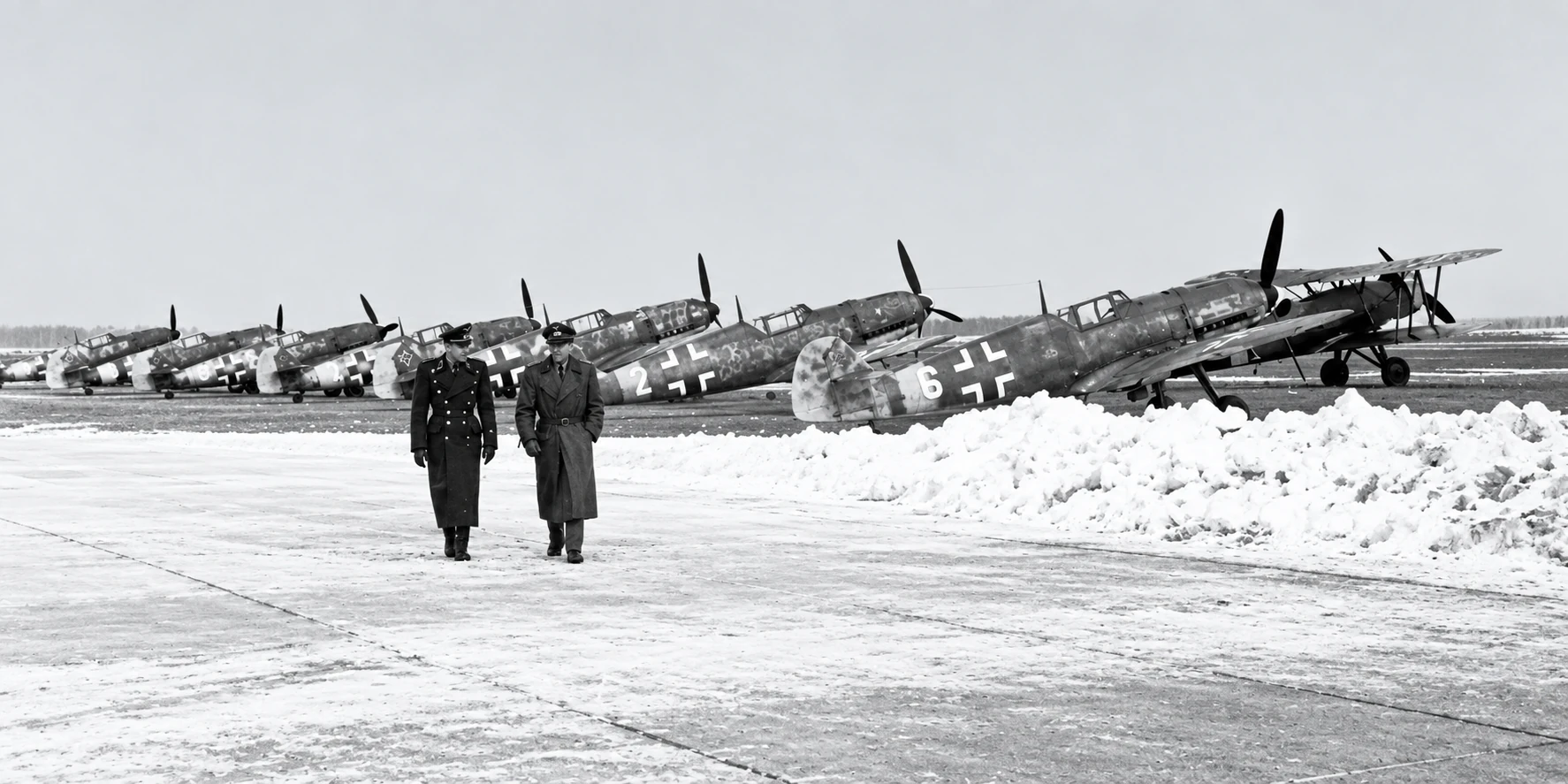
On 20 August 1943, an Air Forces Command order established a fighter standby flight at Vajnory. Its main task was to protect the capital and the republic’s airspace. The first commander was senior Warrant Officer František Cyprich. Initially equipped with four Bf-109Es, it was staffed by experienced No. 13 Squadron pilots who had served on the Eastern Front in 1942–1943. First Lieutenant Vladimír Kriško assumed command in November 1943.
In January 1944, more Eastern Front veterans joined, and the reorganised unit became the Standby Squadron. Its fighter equipment then consisted of 11 Bf-109Es and 3 Avia B-534s.
source - letka13.sk