
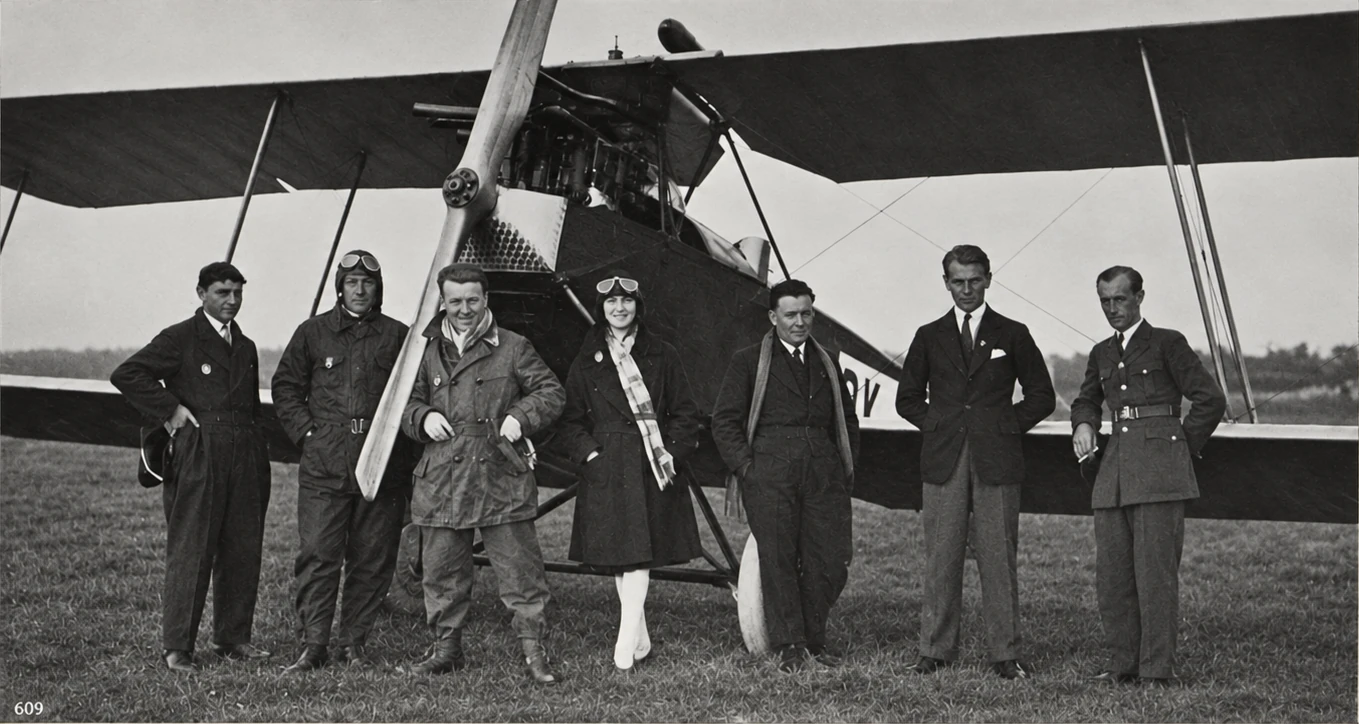

In September 1927, on the initiative of JUDr. Gustáv Hubáček and Maj. Vilém Stanovský, a preparatory committee for the future Aeroclub was formed, largely comprising Air Regiment 3 officers. During this preparatory period the club acquired two training aircraft and began organising theoretical instruction for future sport pilots.
In February 1928, Gustáv Hubáček and Maj. Stanovský submitted the statutes to the relevant authorities. The Gen. M. R. Štefánik Slovak Aeroclub (SAK)was subsequently established as part of the Aeroclub of the Czechoslovak Republic. It had 67 members by the end of 1928.
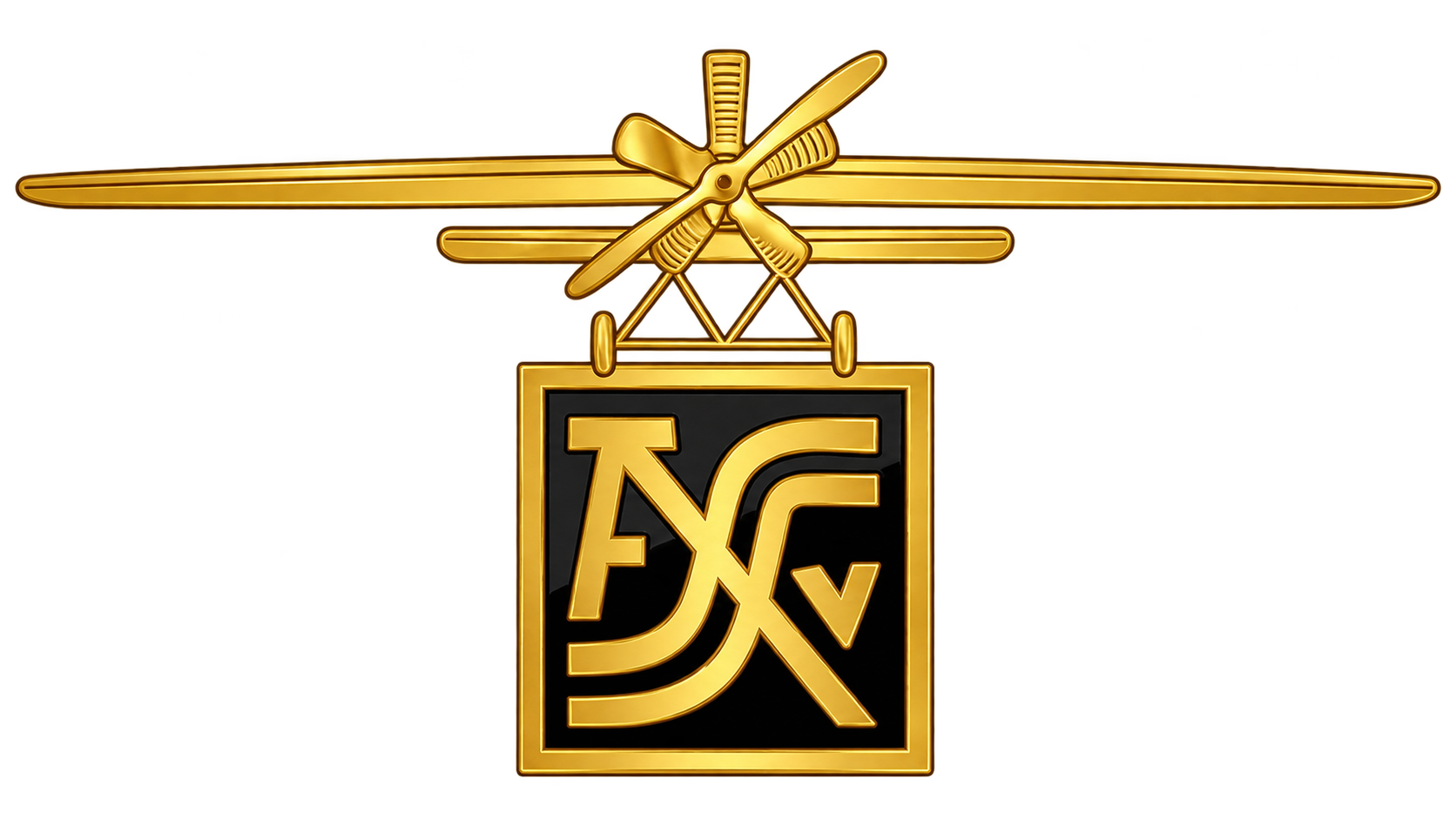
SAK’s connection with Air Regiment 3 was crucial from the beginning. Military pilots served as flying instructors, the club used Vajnory military airfield’s facilities, and its first two trainers very probably also came from the regiment: Letov Š.10.50 / L-BASE and Letov Š.10.36 / OK-ASG.
The Slovak Aeroclub in Bratislava did not arise in a vacuum. It followed developments set in motion by Czechoslovakia’s foundation in 1918.
Development of civil aviation
- 1918 – following Czechoslovakia’s creation, the Czech Aviation Club resumed activities in Prague, later becoming the Czechoslovak Aviation Club.
- 1920 – the Czechoslovak Aviation Club was admitted as a full FAI member at the Geneva conference.
- May 1922 – the Masaryk Aviation Fund was established.
- 1923 – the Czechoslovak Aviation Club became the Czechoslovak Aeroclub, later the Aeroclub of the Czechoslovak Republic.
- 7 March 1926 – the Masaryk Aviation League was founded.
Masaryk Aviation League (M.L.L.)
It succeeded the Masaryk Aviation Fund and initially concentrated on mass publicity and education. It founded local groups and organised lectures, exhibitions, model making, collections and air days. Later it developed practical flying, gliding, training and its own aviation centres and Aeroclub environment. Contemporary figures give 154 local groups and about 9.000 members on 1 April 1926, rising to a reported 220 groups and around 90.000 members by autumn 1926.
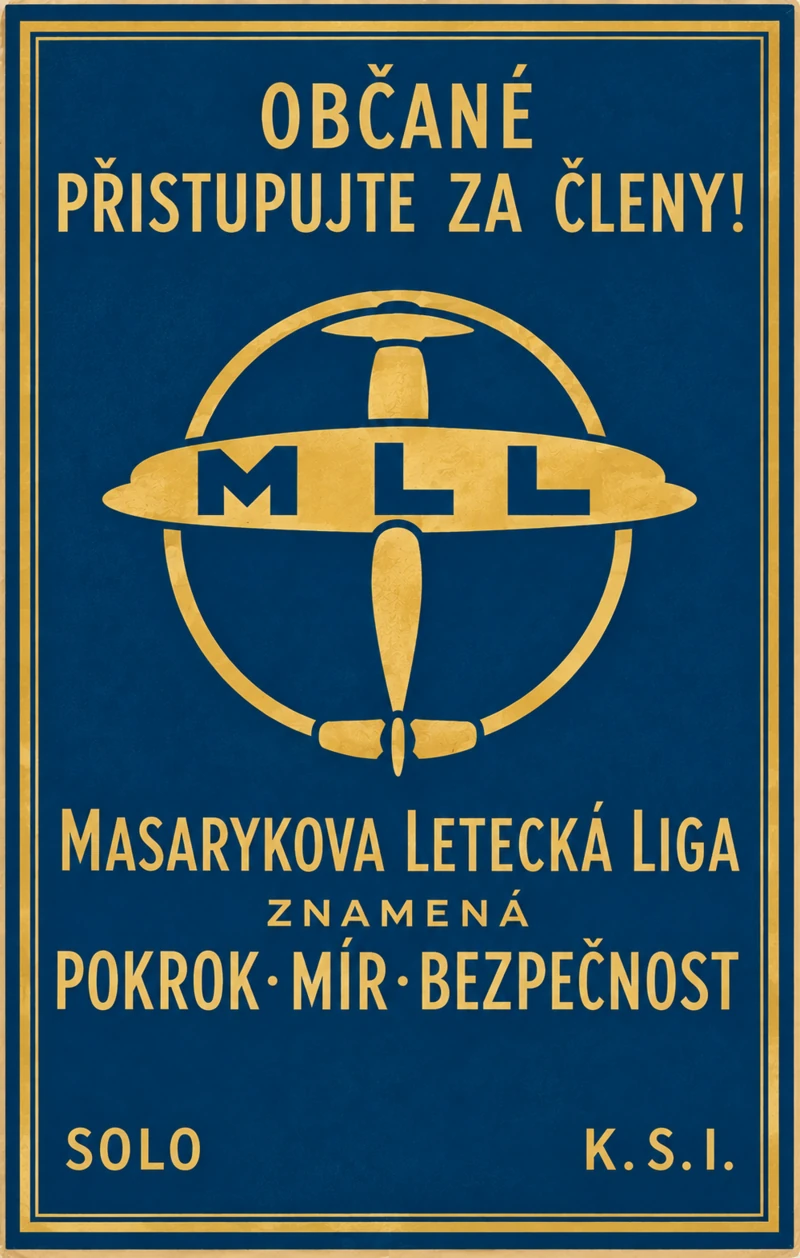
How was MLL funded?
MLL membership cost 1 Kč a month. The state contributed through the Ministry of National Defence, alongside large corporations and individual donors. MLL financed its work through this combination of sources. A 1931 parliamentary debate, for example, states that MLL allocated 150.000 Kč of its own funds to gliding, while the Ministry of Public Works provided 20.000 Kč.
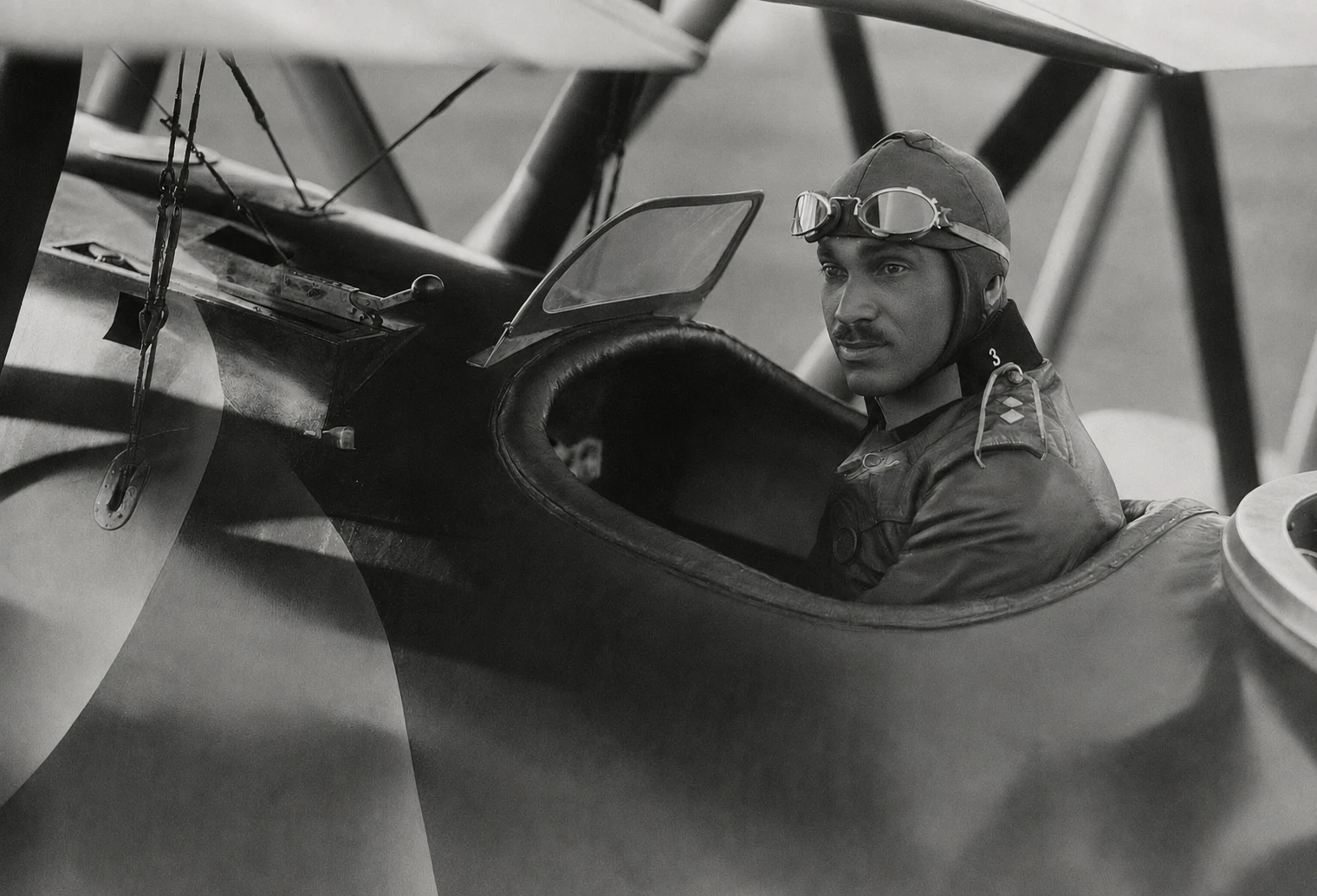
In 1922, Maj. Fiala, a former Czechoslovak legionnaire, wrote Our Air — Our Sea. Its central idea inspired the slogan “The Air Is Our Sea”.
The Masaryk Aviation League (MLL) promoted it very successfully, winning public support for aviation. Other legionnaires, including Ing. Ján Bervida and Gen. Stanislav Čeček, contributed their efforts, contacts and enthusiasm to Czechoslovak aviation, alongside diplomat Hugo Vavrečka, Tomáš Baťa and many others.
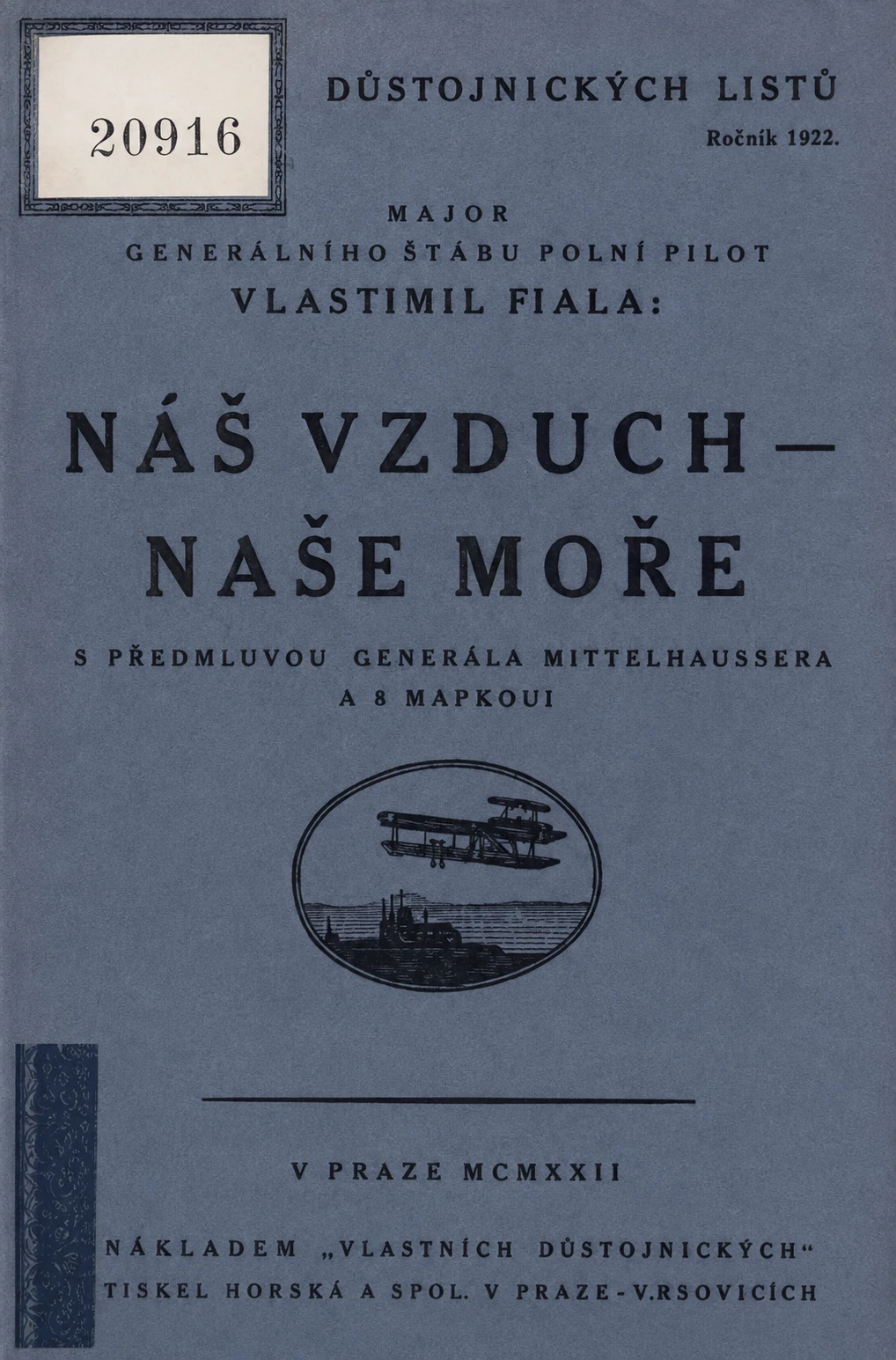
National Aviation Collection
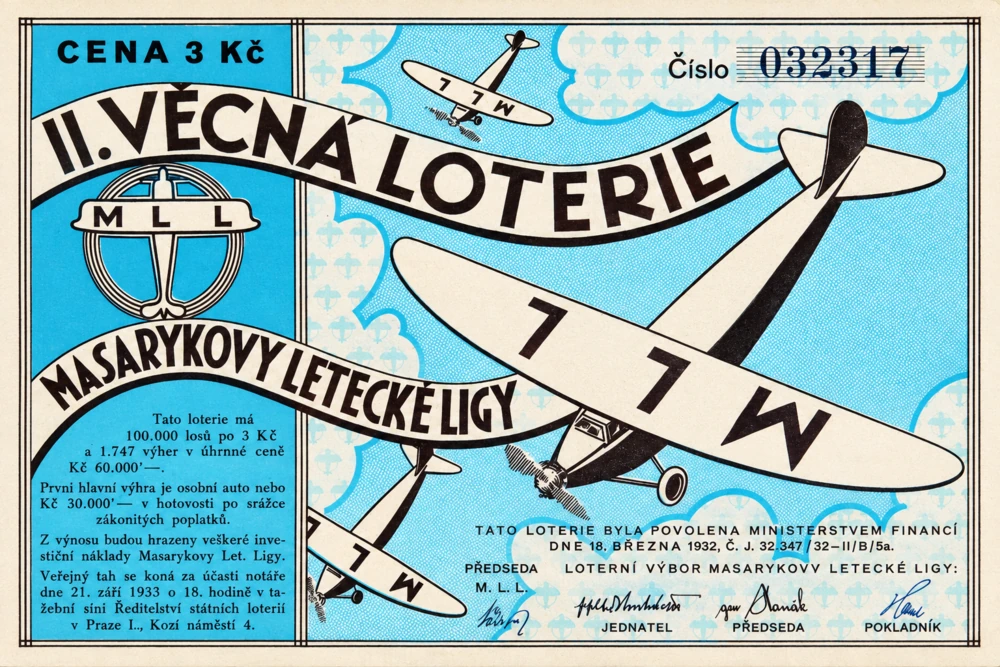
The National Aviation Collection was launched in 1933 as part of the Jubilee Fund for National Defence. Proceeds supported aviation defence education and sport aviation development. Military and civil aviation, aircraft manufacturers, the Aeroclub of the Czechoslovak Republic and the Masaryk Aviation League jointly ran the campaign. By 28 October 1935 it had raised 15.995.588 Kč. Before the Second World War it had raised more than 25 million Kč.
What would the money raised be worth today?
For 1935, the Historical Statistical Yearbook of Czechoslovakia gives an average monthly wage of 728 Kč. The collection’s contemporary value can therefore be roughly expressed in average monthly wages:
15.995.588 Kč ÷ 728 Kč = approximately 21.972 average monthly wages.
For a present-day comparison we use the Czech Republic’s median gross monthly wage: half of employees earn less and half more. In the fourth quarter of 2025, the Czech Statistical Office put it at 45.523 Kč.
Applying today’s median to the same number of monthly wages:
21.972 × 45.523 Kč = approximately 1.00 billion present-day Czech crowns.
For more than 25 million Kč raised before the Second World War, the same method gives approximately 1.56 billion present-day Kč.
This is only a rough wage-based comparison, not a financial or inflation conversion of the historic crown into today’s currency. It illustrates the enormous amount raised to support pilot training.
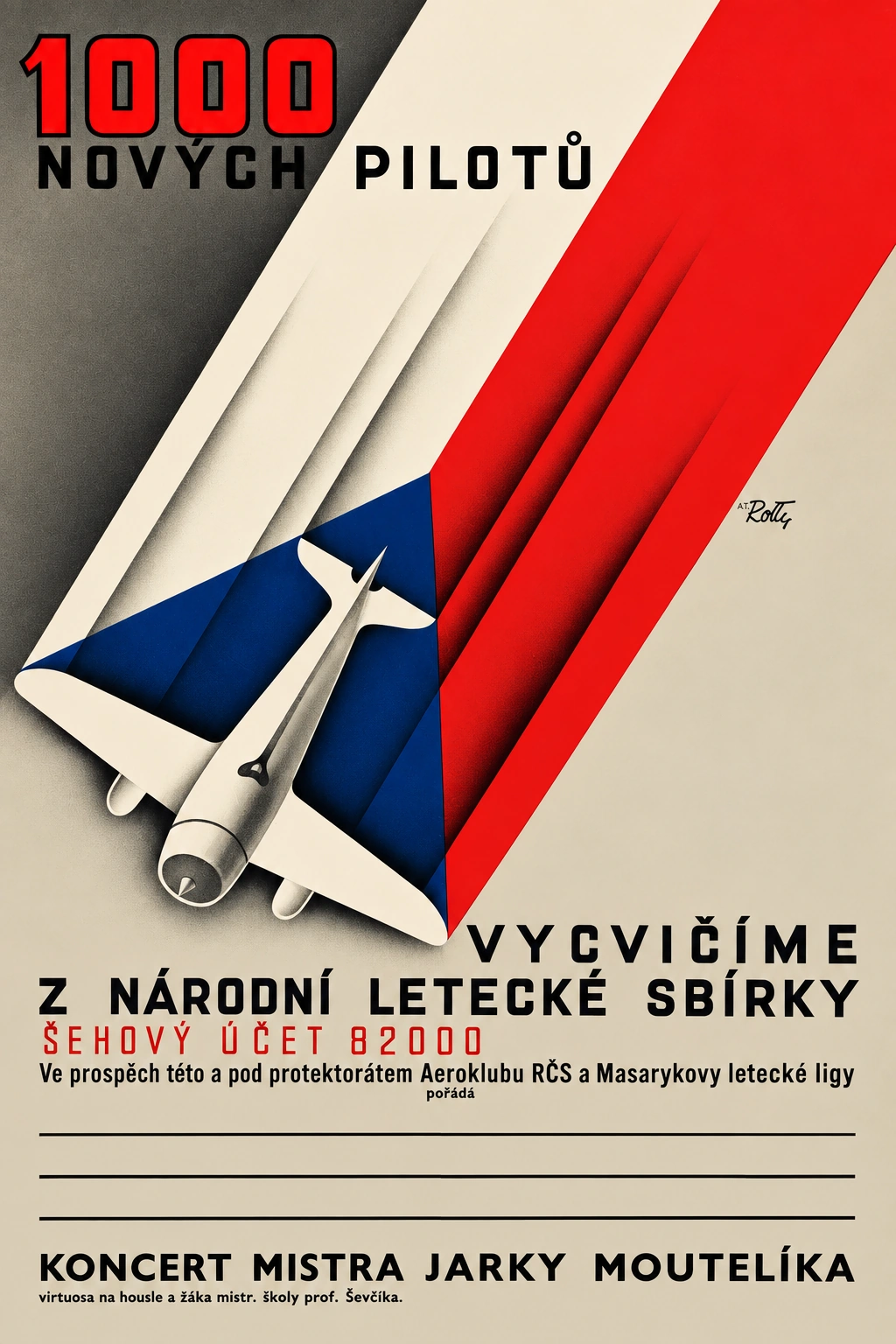
In 1936, the international situation prompted the campaign “1.000 New Pilots for the Republic”. The Czechoslovak military administration, Masaryk Aviation League and Aeroclubs joined forces to recruit and provide basic training for new pilots. The Slovak Aeroclub at Vajnory also participated. The campaign opened the cockpit to hundreds of young people across Czechoslovakia who would otherwise never have had the opportunity to fly.
Of course, it came at a price, particularly in light of what happened in Czechoslovakia and neighbouring countries a few years later.
After the republic was broken up, sport flying was banned in the Czech lands. In Slovakia, training and sport flying were concentrated in the Slovak Aviation Corps (SLeS).
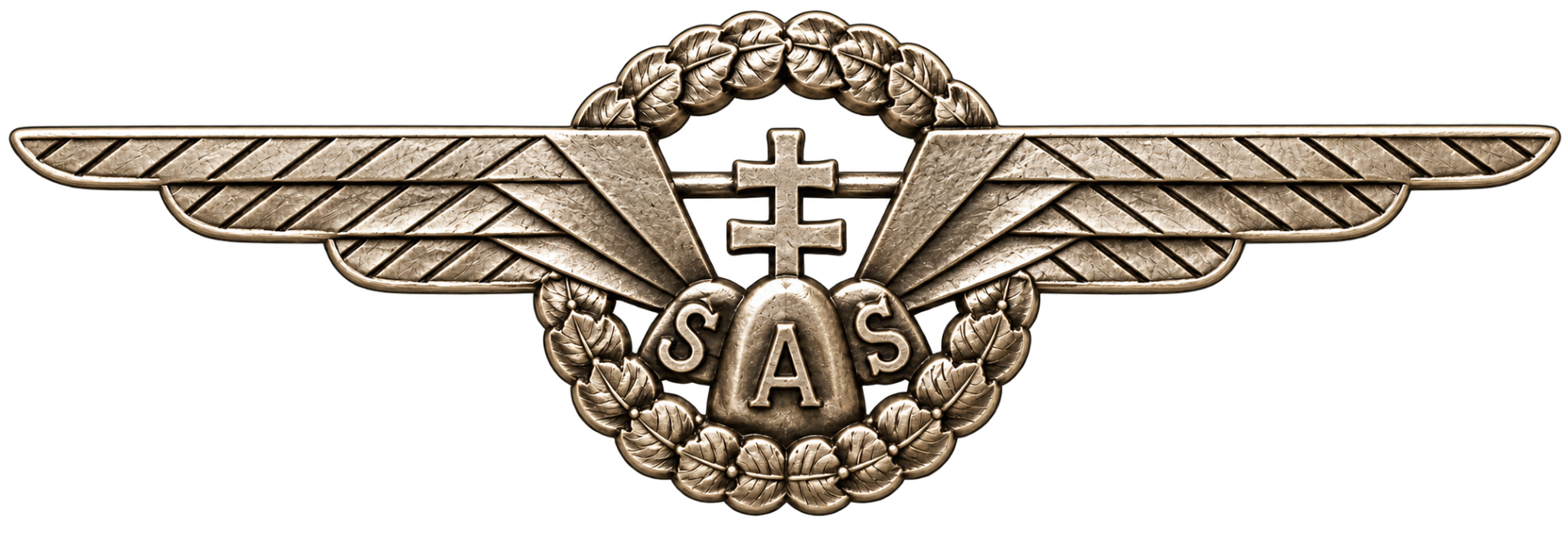
The Slovak Aviation Corps (SLeS) was a paramilitary organisation of the Slovak Republic overseeing civil, sport and glider flying in 1939–1944. Although primarily sporting in character, its main task was pre-military education and training for future Slovak Air Force (SVZ) pilots. Post-war DOSLET and Zväzarm adopted similar principles, only under the red star and the slogan “WE FIGHT FOR PEACE!”, which nobody paid any attention to.
SAK report 1930
Civil aviation is not developing uniformly across Czechoslovakia. It depends on each organisation’s circumstances, how the public understands aviation’s significance, and its willingness to finance civil aviation, mostly organised through Aeroclubs.
Conditions in Bohemia and Moravia are much more favourable than in Slovakia. Here we still struggle with naive prejudices even among the uninformed intelligentsia, let alone the wider public. The fact that an Aeroclub could not be founded in Slovakia until 1927 itself demonstrates how much better equipped clubs in the historic lands are.
The club was founded, but lacked understanding, money and aircraft. We do not complain; other clubs also travelled a thorny path. I do not wish to describe publicly the difficulties still facing us. Let us leave memories aside and look at the present situation.
It is more encouraging. We have three airworthy aircraft and have written off two. The engines are nearing the end of their lives, but we hope to obtain others. News has just arrived that a Blesk engine has been sold to us. Many thanks.
By the end of June we had made 615 flights this year. One member, Capt. Vladimír Kočmerževský, has just passed his pilot examinations. Soon the following will take theirs: Slovakia’s first woman pilot, Ľudmila Šapošniková, wife of an air captain, the first civilian, sculptor Vojtech Ihriský, and Warrant Officer Coufal.
The Blesk aircraft engine
After 1918, a critical problem was the shortage of engines for training aircraft. The Karlín engineering firm Breitfeld & Daněk offered a solution in 1921 by beginning series production of the first Czechoslovak licence-built engine, named Blesk.
Wartime legacy and an official licence
Although full production began after the war, the foundations were laid earlier. Breitfeld & Daněk had legally acquired a licence and complete documentation for Germany’s Mercedes D.I inline six during the First World War, when Austria-Hungary cooperated closely with Germany.
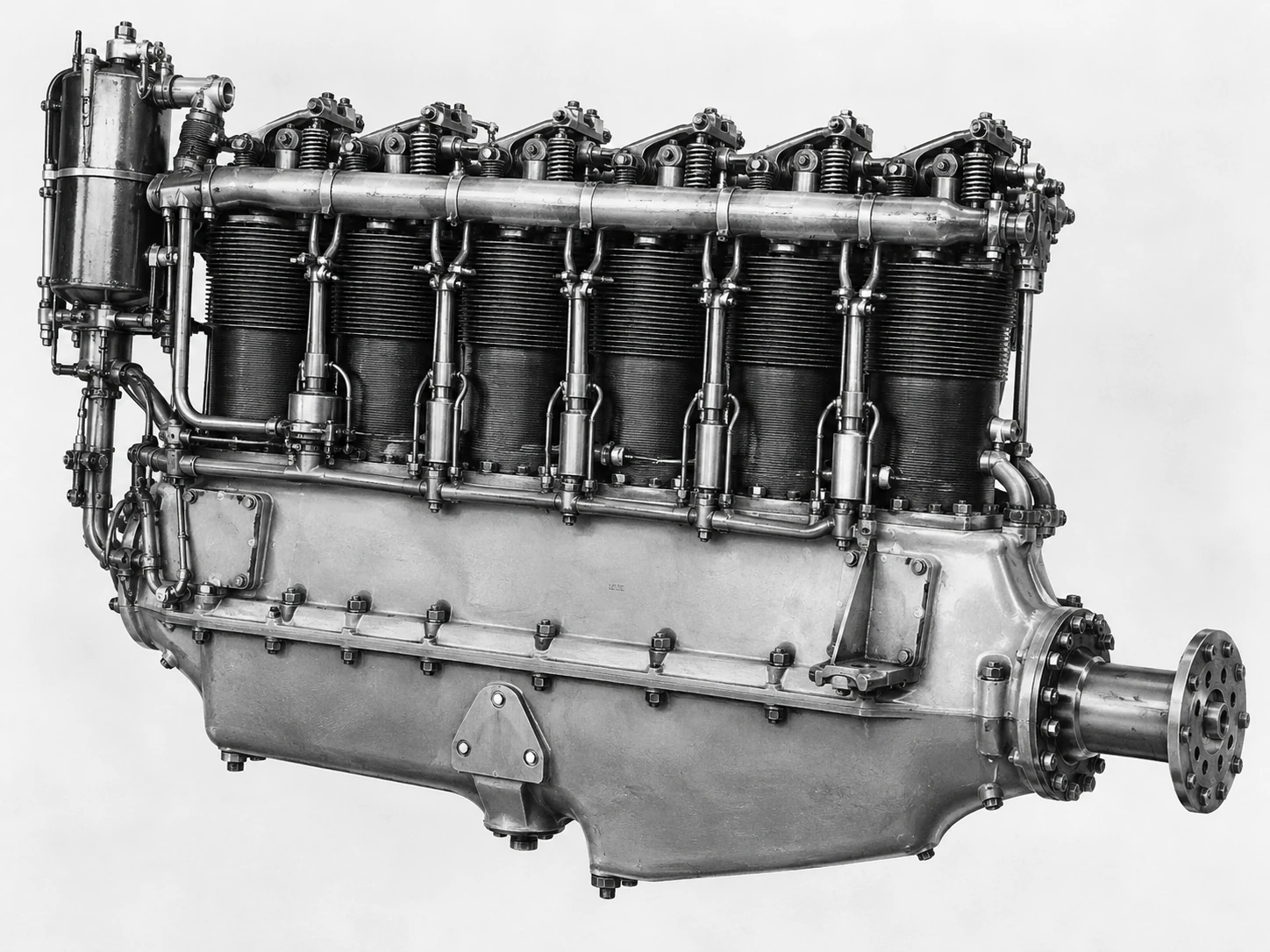
Technically, Blesk closely reproduced its German model: a liquid-cooled, spark-ignition inline six displacing 9.5 litres. It had SOHC valve gear and two ignition magnetos for greater safety. At 1.400 rpm it developed 75 kW (100 hp). With a dry weight of about 205 kg, it was a robust, proven design for the early 1920s.
Blesk powered the emerging Czechoslovak army’s first trainers, particularly Letov Š-10 and Aero Ae-10 biplanes derived from the Austro-Hungarian Hansa-Brandenburg B.I.
Almost half the entire production — 24 engines — was exported to the Kingdom of Serbs, Croats and Slovenes, later Yugoslavia, to power its training aircraft.
E. Liška, a tax secretary, and Krejčí, a finance official, are also completing training. Ing. M. Harming has been accepted as a pupil; he is probably Ing. Milan Anton Pavol Harminc, son of the prominent architect Milan Michal Harminc.
This will be the first substantial result of our efforts. Membership is growing and will soon reach one hundred.
Our programme is extensive. If we could carry out everything planned, the officials concerned with aviation development would at least have to understand us. Why can we not keep pace with neighbouring countries? I need not point to France or Germany. Poland is enough: there they fully understand what flying means. Let us hope it is not too late when we understand it too.
Aeroclubs and MLL could work together much more warmly. Livelier friendships might achieve more for aviation than the annual opportunity called “Any Other Business”. According to the First Republic’s aircraft register, aircraft in Bratislava were registered separately for SAK and MLL.
Let us visit one another, talk and work.
English translation of a period article transcribed into modern Slovak.
Source: Letectví, 1930, p. 310. kramerius.nm.cz
People associated with Bratislava’s Aeroclub
Reading the M. R. Štefánik Slovak Aeroclub’s annual reports from 1931 and 1935, we encounter people important to its organisation, finances, technology and social standing. Not all were pilots or are well known today. Their names nevertheless reveal the support the Aeroclub really had in Bratislava and Vajnory.
Ján (Johann) Lippert was a Bratislava businessman and manufacturer. In 1923 he is documented operating a liqueur factory at 43 Lamačská Road, producing liqueurs, spirits and cordials. A contemporary inventory lists eight employees. He also appears in the management of Bratislava’s Cooperative Central Distillery, placing him in the wider local distilling and alcohol-trading community.
He was also active in motoring, serving as treasurer of the Slovak Motorists’ Club and representing Mercedes-Benz and Studebaker in Bratislava. In 1931 he was elected second deputy chairman of the M. R. Štefánik Slovak Aeroclub.
1st Lt. Jaroslav Polma was a Czechoslovak air-force officer and successful sport pilot. By 1929 he was serving with Air Regiment 3 and briefly commanded its replacement squadron at Piešťany.
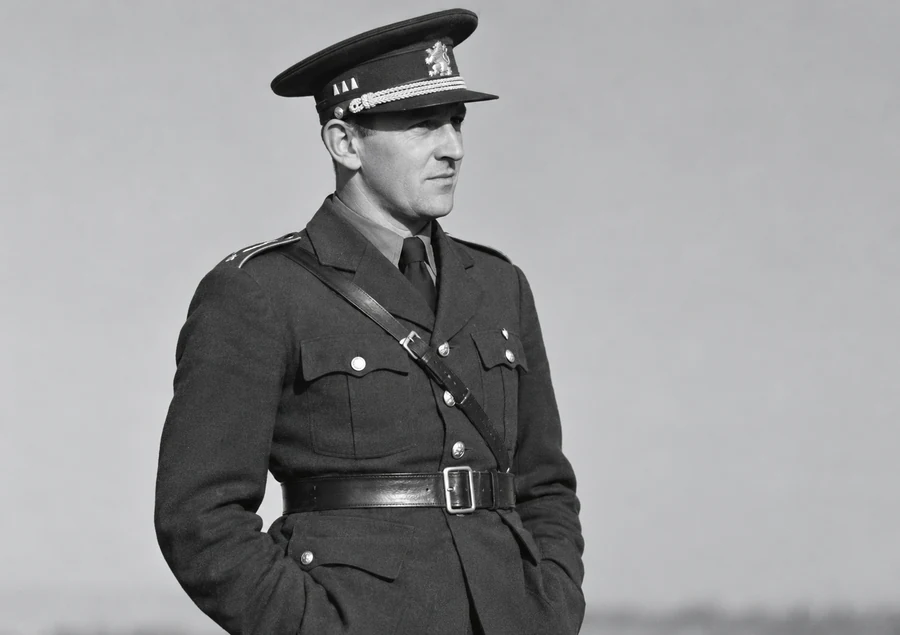
He appears as a committee member of the Slovak Aeroclub in 1931. In Capt. Nikolaj Šapošnikov’s absence, he presented the technical committee’s report on aircraft condition, flying hours and club operations at the general assembly, suggesting direct involvement in technical and flying activities.
Polma later distinguished himself in international air competitions. In 1935 he flew Praga BH-111 OK-BEH with Maj. Josef Kalla in Italy’s Raduno del Littorio, where the Czechoslovak crew placed fifth. Polma subsequently published his own account in Letectví.
He achieved major success in the international rally associated with the 1936 Berlin Olympics. Czechoslovak crews took the first two places; Jaroslav Polma was second in a Praga E-114 Air Baby. Dozens of crews from several countries competed.
He also made long-distance flights. Contemporary newspapers report his 1936 Praga E-114 flight to Moscow as surpassing the previous Czechoslovak performance on the route.
In 1937 he flew a Beneš Mráz Be-51 in another edition of Raduno del Littorio and finished fourth with First Lieutenant Červenka among more than fifty crews completing the competition.
By 1938 he had reached staff captain and commanded No. 50 Squadron, equipped with Avia B-534 fighters, during mobilisation.
Jaroslav Polma exemplifies the links between military aviation, sport flying and Aeroclubs. His name appears unobtrusively in the Slovak Aeroclub’s 1931 records, but his later career reveals an experienced military pilot and successful representative of Czechoslovak sport aviation.
Capt. Ilja Svoboda was a Czechoslovak aviation officer and prominent figure in the M. R. Štefánik Slovak Aeroclub. Elected first deputy chairman in 1931, he was among chairman JUDr. Pavel Fábry’s closest collaborators.
Svoboda also specialised in air navigation. In 1929 he published in the military journal Vojenské rozhledy a study entitled “Night Aviation Map”, addressing navigation and maps for night flying. The contemporary bibliography lists him as a captain.
Gen. Miloš Žák (11 June 1891, Brno – 16 May 1970, Prague) was a Czechoslovak legionnaire, career officer and later divisional general. Before the First World War he studied law in Prague and Vienna. Captured on the Russian front, he joined the Czechoslovak Legions in Russia in 1917, subsequently commanding units and serving on the staff of the 1st Czechoslovak Rifle Division.
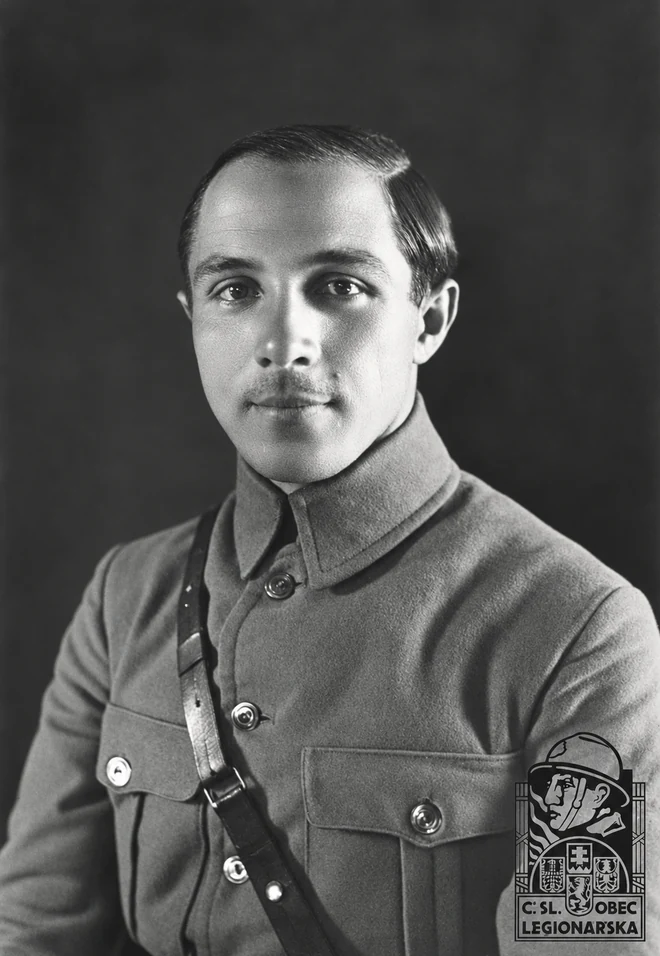
After returning to Czechoslovakia he continued his military career. He graduated from the war college in Paris, served at the Ministry of National Defence’s General Staff and led the Czechoslovak military mission in Romania in 1924. He commanded the 20th Infantry Brigade in Nitra in 1926–1931, then the 17th in Bratislava from 1931 and the Bratislava-based 9th Division from 1934.
During his Bratislava service he joined the Slovak Aeroclub’s leadership, becoming first vice-chairman at the 1935 general assembly. His presence demonstrates direct personnel links not only to Air Regiment 3 but also to Slovakia’s senior military command.
Miloš Žák was promoted to divisional general in January 1938. During mobilisation in September 1938 he commanded Border Area No. 39.
Army Gen. Josef Šnejdárek (2 April 1875 – 13 May 1945) was a Czechoslovak legionnaire and one of interwar Czechoslovakia’s most prominent generals. Before the republic’s creation he served in the French Foreign Legion and helped organise the Czechoslovak Legions in France during the First World War.
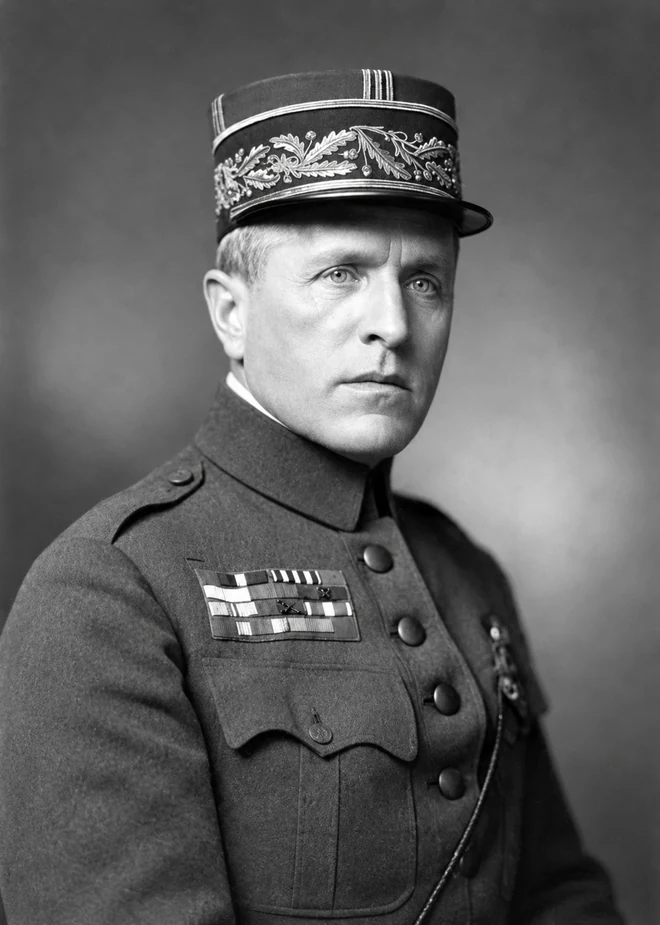
His strong association with Slovakia began in 1919, when he commanded Czechoslovak troops against Hungarian forces, with success near Zvolen. He subsequently held senior commands, heading the Provincial Military Command in Košice from 1925.
His final active service was in Bratislava, where he headed the Provincial Military Command from 1932 to 1 April 1935 and reached the rank of army general.
His name also appears in the Slovak Aeroclub during this period. In 1935 he was listed as a deputy honorary chairman. His honorary role illustrates the club’s strong links to Slovakia’s highest military circles.
Ing. Milan Anton Pavol Harminc (1905 – 1974) was a Slovak architect and son of the prominent architect Milan Michal Harminc. He graduated in architecture from the technical university in Brno in 1930.
A period Slovak Aeroclub report lists “Ing. M. Harming” among newly accepted pupil pilots. His name, title and age make it highly likely that this was Milan A. P. Harminc, who thus began flight training at Vajnory in the early 1930s.
Harminc later pursued architecture, working on several significant Slovak projects. His brief aviation episode shows that the club’s pupils included not only future professional aviators but also young members of Bratislava’s technical and social circles.
JUDr. Juraj Slávik (28 January 1890, Dobrá Niva – 30 May 1969, Washington) was a Slovak lawyer, politician and public figure. He studied law in Budapest, Berlin and Paris and held important posts after Czechoslovakia’s creation. He served as county governor in Zvolen and Košice, Minister of Agriculture and Minister of the Interior in 1929–1932. In late 1935 he became vice-president of the Provincial Office in Bratislava.
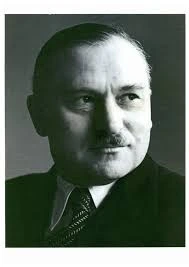
He was also active in social and sporting life, holding office in hiking and Sokol organisations. In the early 1930s he chaired the Aeroclub of the Czechoslovak Republic, representing Czechoslovak sport aviation internationally. In December 1933 he attended the FAI congress in Cairo as its chairman.
He appears among the distinguished guests at the Slovak Aeroclub’s 1935 general assembly. This was more than social courtesy: as head of the nationwide Aeroclub, Slávik directly connected the Bratislava club to the highest level of organised sport aviation in Czechoslovakia.
Col. Jaroslav Skála (31 December 1894, Rokytno – 2 May 1971, Phoenix) was a Czechoslovak legionnaire, military pilot and aviation officer. He joined the Czech Company in Russia in 1914, later transferring to the Legions’ aviation detachment. He returned home in 1920 as a captain.
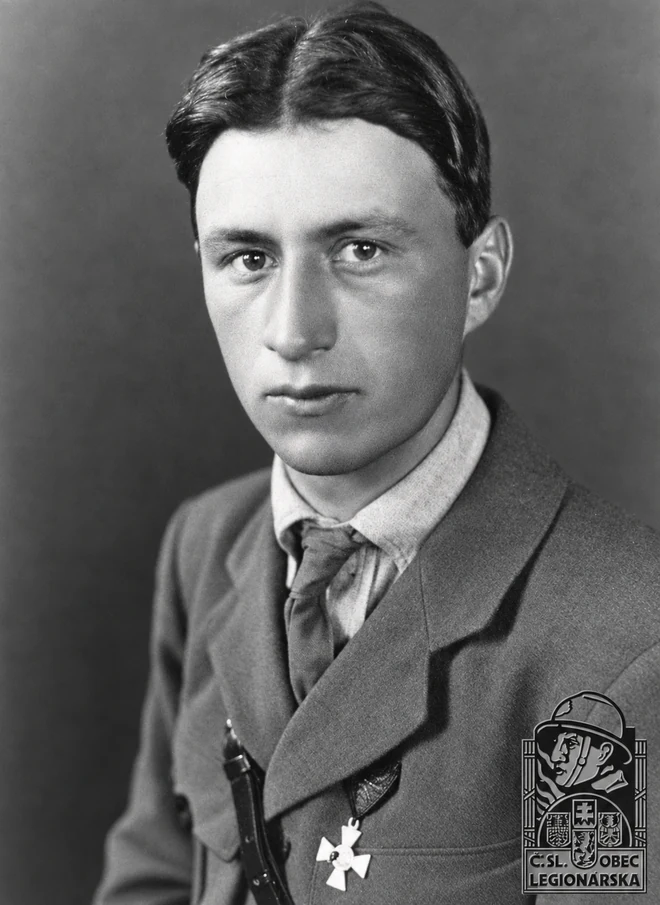
He continued as a career officer in Czechoslovak military aviation, eventually becoming an air colonel and one of the interwar army’s experienced professional aviators.
In 1935 Jaroslav Skála served on the Slovak Aeroclub’s honorary committee. His links with Slovakia deepened when, in late 1936, he became head of the Provincial Air Command in Bratislava, responsible for military aviation in Slovakia including Air Regiment 3.
During September 1938 mobilisation he commanded the III Army’s aviation, defending Slovakia and Subcarpathian Ruthenia. His honorary committee membership therefore represented the very top of Czechoslovak military aviation.
Jozef Országh (1883 – 1949) was a Slovak lawyer, public figure and one of Slovakia’s highest-ranking state officials during the First Czechoslovak Republic. From the prominent Országh business family, he studied commerce and law in Cluj, trained under lawyers Pavol Mudroň and Matúš Dula, and later practised independently in Martin.
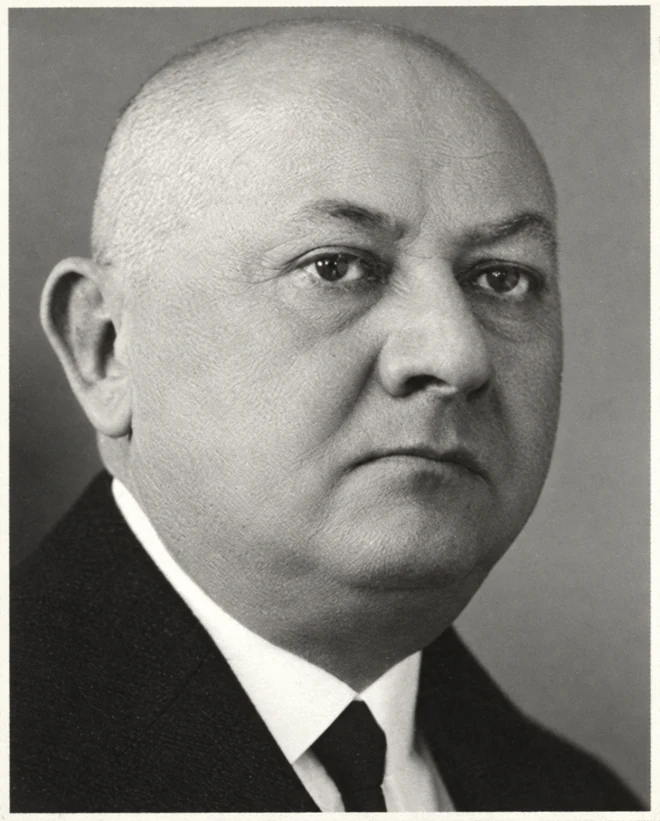
He advanced through state administration, serving as county governor and then vice-president of the Slovak Province after the provincial system was introduced. From 1 January 1931 to 6 October 1938 he was provincial president, heading Slovakia’s provincial administration.
He was also active in cultural life. Chairman of Matica slovenská from 1931, he used his position to support its projects and connect it with officials, businesspeople and politicians.
In 1935 he headed the Slovak Aeroclub’s honorary presidency. His association provides further evidence of SAK’s links not just to the army and business but directly to Slovakia’s highest provincial authorities.
Dr. Vladimír Krno (21 June 1874, Čerenčany – 10 March 1955, Partizánska Ľupča) was a Slovak lawyer, public figure and long-serving mayor of Bratislava. After studying law at Budapest University, he practised in Pezinok from 1901 to 1922 and in Bratislava from 1923.
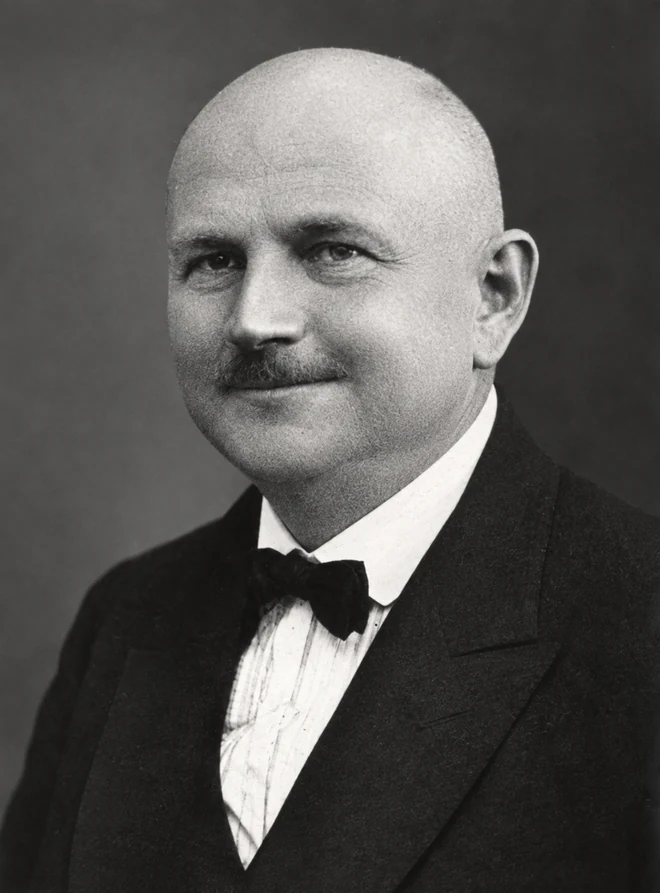
He was prominent in the Slovak legal community, serving in the leadership of the Legal Association in Slovakia and becoming chairman of the Bratislava branch of the Slovak Lawyers’ Union in 1929. He also served in the bar association and published legal work.
He became mayor of Bratislava in 1930; contemporary sources still document him in that role in 1935, 1937 and 1938. He was also a National Assembly member from 1933 to 1935.
Krno had wider economic and social connections. After Czechoslovakia’s creation he headed the Economic Bank in Trnava, served in winegrowers’ organisations and belonged to the Štefánik Society.
In 1935 he and Army Gen. Josef Šnejdárek were listed as deputy honorary chairmen of the Slovak Aeroclub. Krno represented Bratislava’s municipal and legal circles and was also the head of the city in which the club operated.
Dr. Eduard Jarkovský (1907 – 1988) was a meteorologist, pilot and specialist working in interwar Bratislava. From 1932 he served with the aviation meteorological service at Bratislava state airfield, supporting civil flight operations.
Alongside meteorology, he completed flight training at the Central Pilot School and practical training at Bratislava Aeroclub. He entered the pilot register on 18 December 1934.
In 1935 he was listed as fleet manager on the Slovak Aeroclub’s executive committee. He was thus not merely an outside specialist but someone who understood operations as a pilot.
Jarkovský also contributed to pilot education. In 1936 he published Slovak teaching material on aviation meteorology in Bratislava for flight training. His work connected meteorological services, practical flying and pilot instruction.
Dr. Ing. Peter Zaťko (1903 – 1978) was a Slovak economist, university lecturer and leading economic figure. After studying at Prague’s University of Commerce, he joined Bratislava’s Chamber of Commerce and Industry in 1929, becoming a prominent Slovak economic expert.
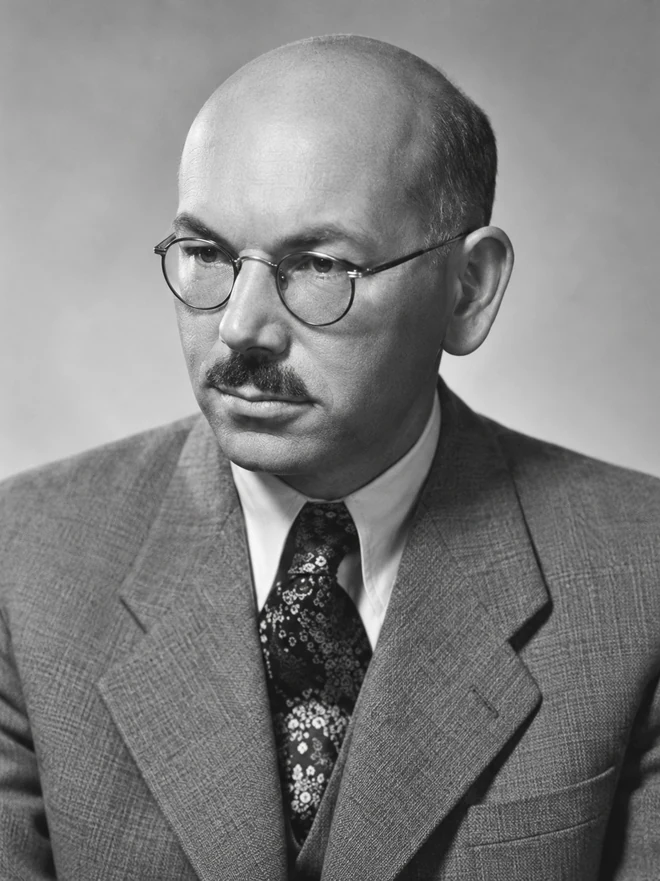
The Slovak Aeroclub’s 1935 honorary committee lists “Dr Ing. Zátko”, probably Peter Zaťko. His presence would represent another link between SAK and Bratislava’s economic and industrial circles.
After the Slovak Republic was established, Zaťko became an important economic official. He was general secretary of the Central Association of Slovak Industry in 1939–1944, a member of the Slovak Assembly and an official in its economic bodies.
From 1944 he was also involved in the underground Slovak National Council and, with Imrich Karvaš, helped secure the Slovak National Uprising’s economic and financial resources.
A similar model of personal contacts and support for the Aeroclub also operated under socialism in the 1960s. I know of this only from the old hands’ stories.