Sometime in 2005, on an old glider pilot’s advice, Sadko and I dashed to Dúbravka to find the hangar of its former slope airfield. We knew that the legendary fighter pilot had begun making short glider hops there before the war: S/Ldr. Otto Smik, DFC (Distinguished Flying Cross). Awarded to RAF (Royal Air Force) personnel for exceptional courage, bravery and service during air operations against the enemy. That alone was reason enough to get in the car.
Twenty-two-year-old S/Ldr Otto Smik, DFC — equivalent to a major in the Czechoslovak air force — was killed on 28 November 1944 in Spitfire LF Mk.XVIE RR227 9N-B during an attack at Zwolle in the Netherlands.
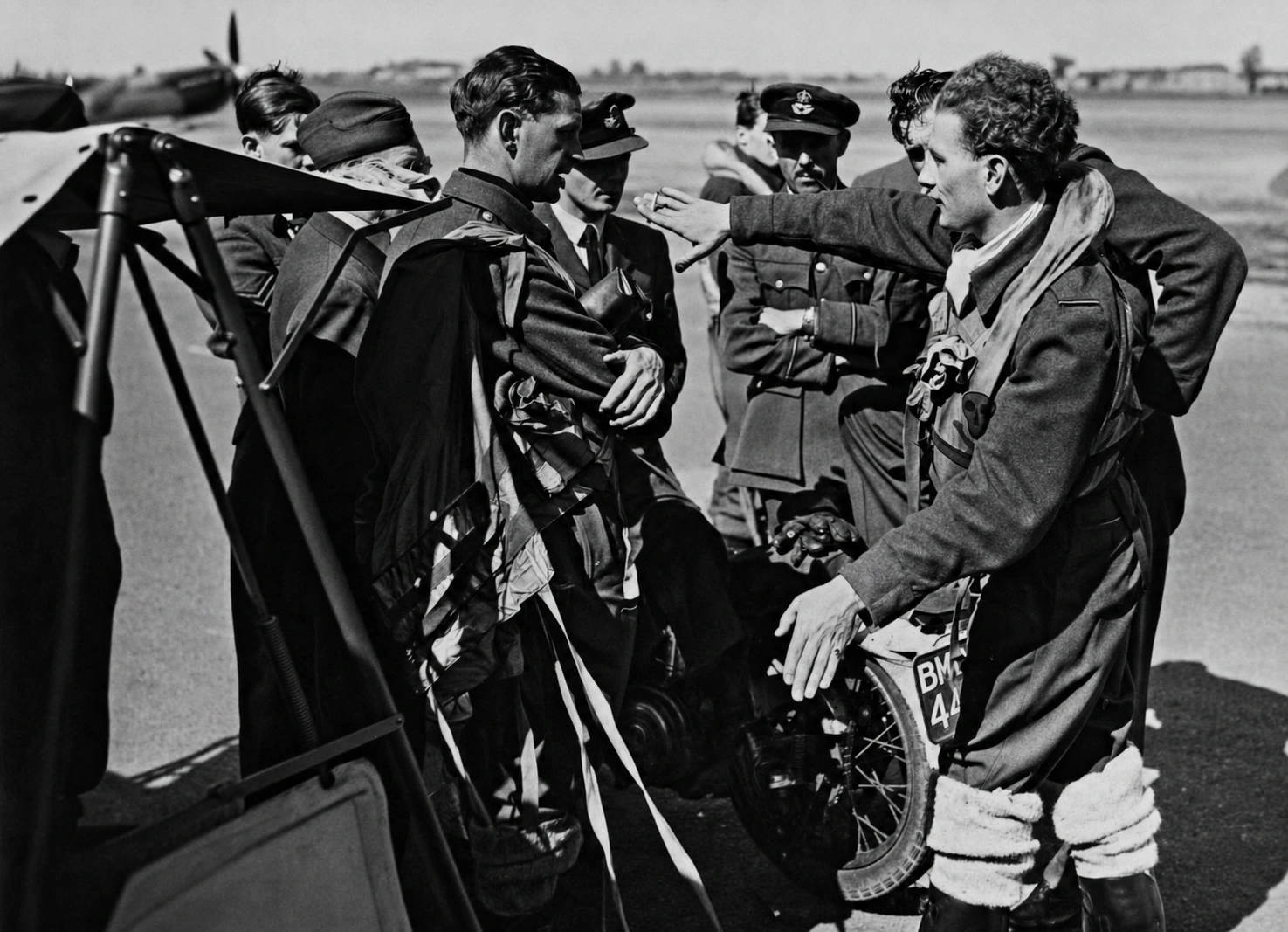
During his RAF service he achieved ten confirmed aerial victories and destroyed three V-1 flying bombs in flight. He is buried at Slávičie údolie cemetery in Bratislava. In 1994 he was posthumously promoted to major general of aviation.
We were highly motivated: Slovakia has not produced that many Otto Smiks. The truth is that we have few historical figures we can proudly hold up as our own.
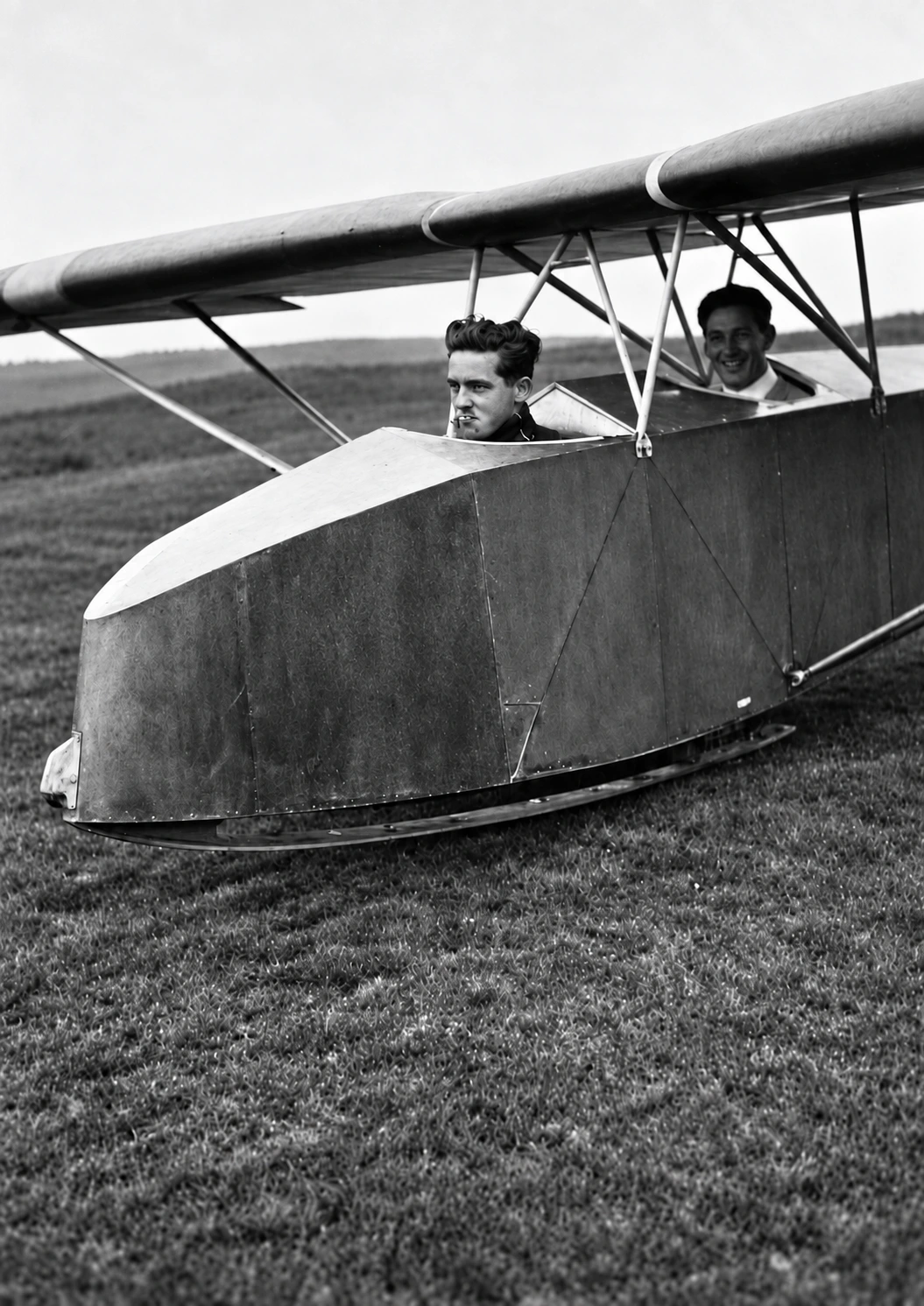
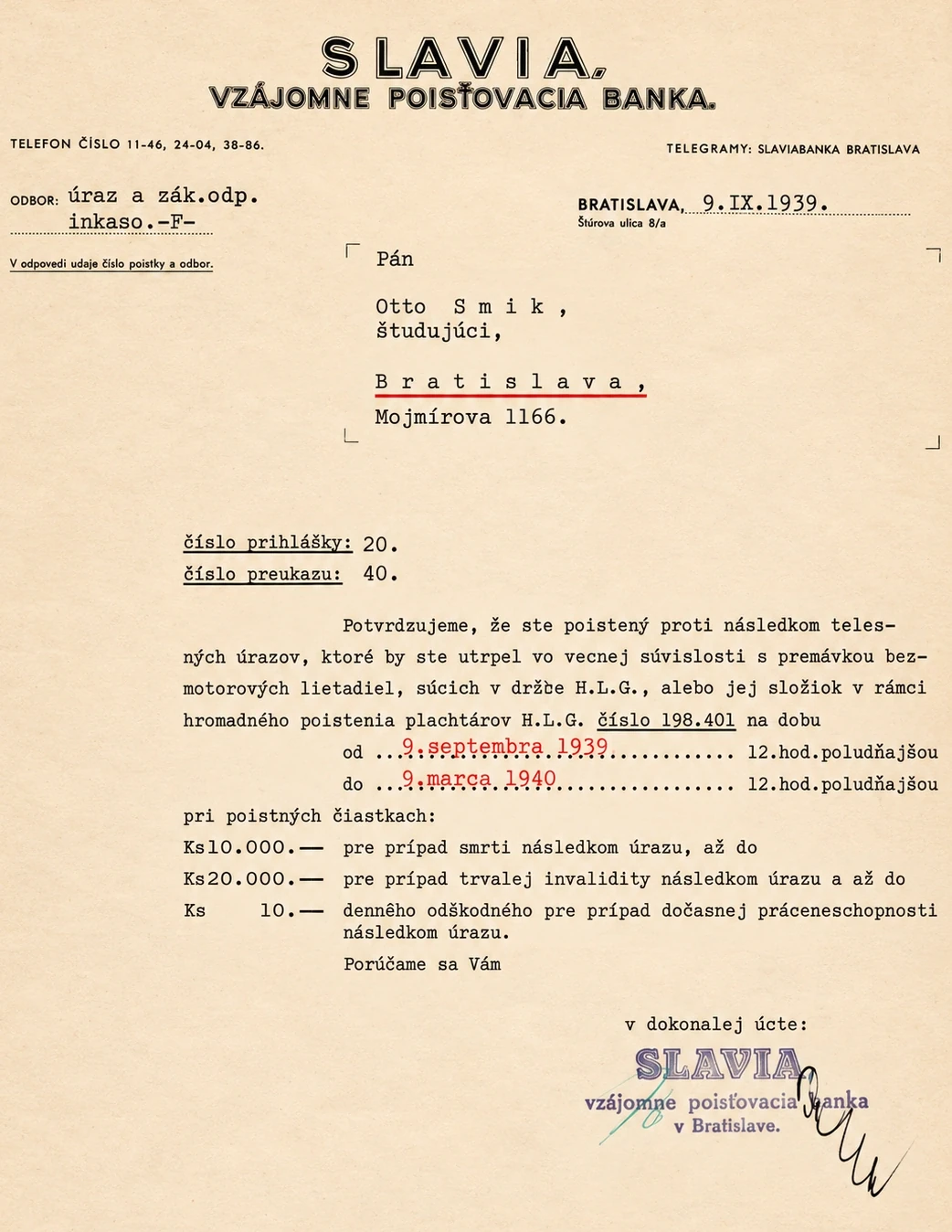
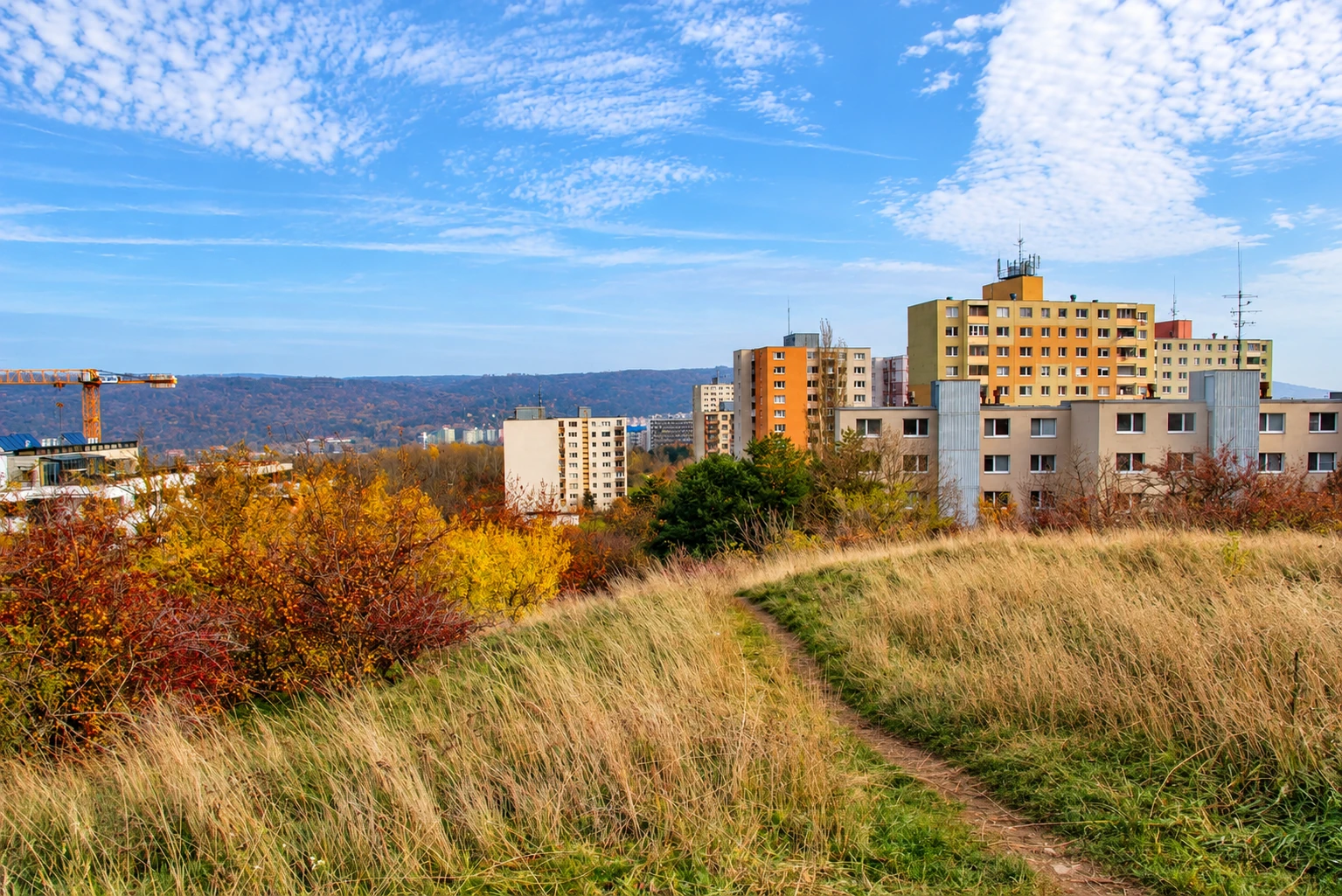
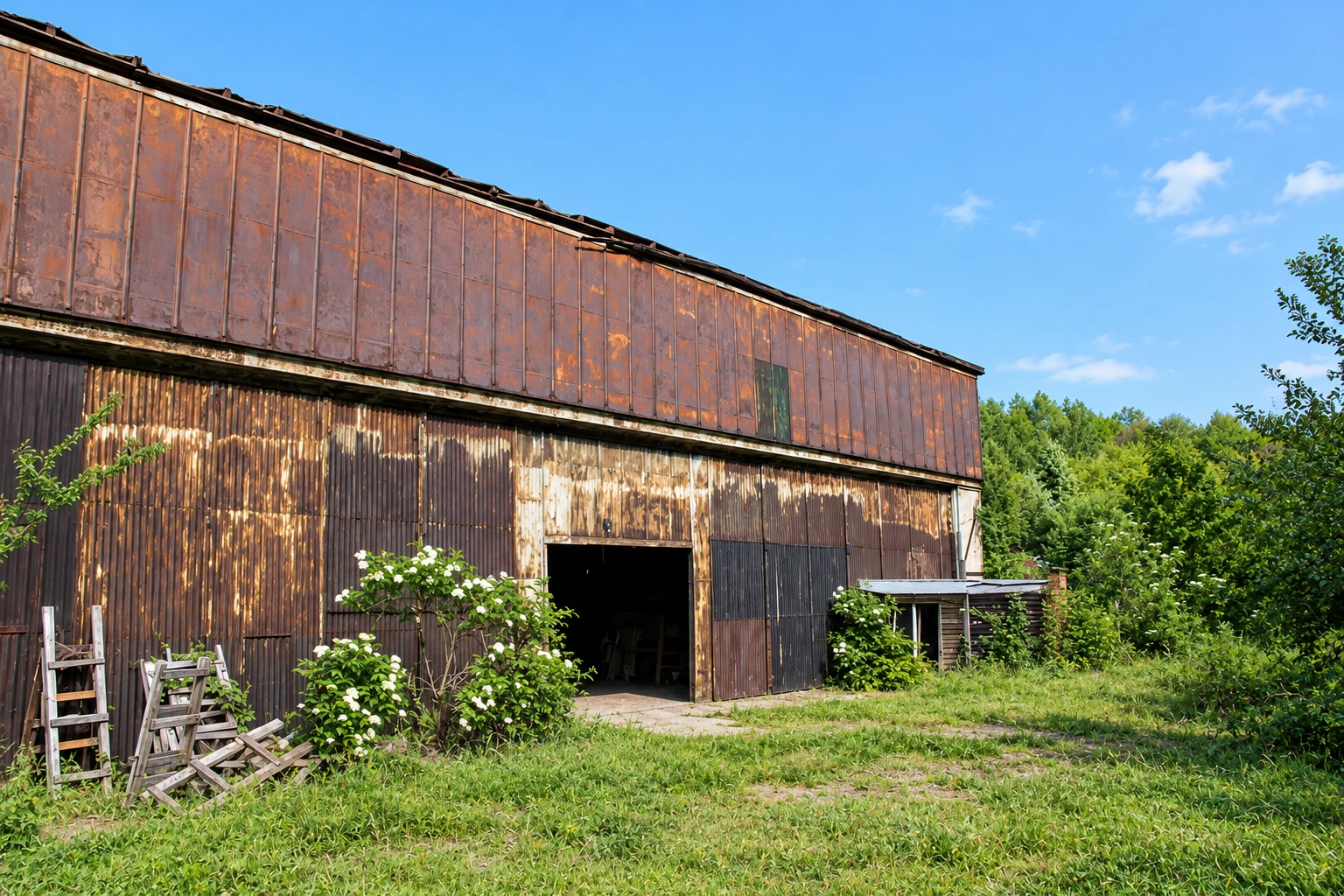
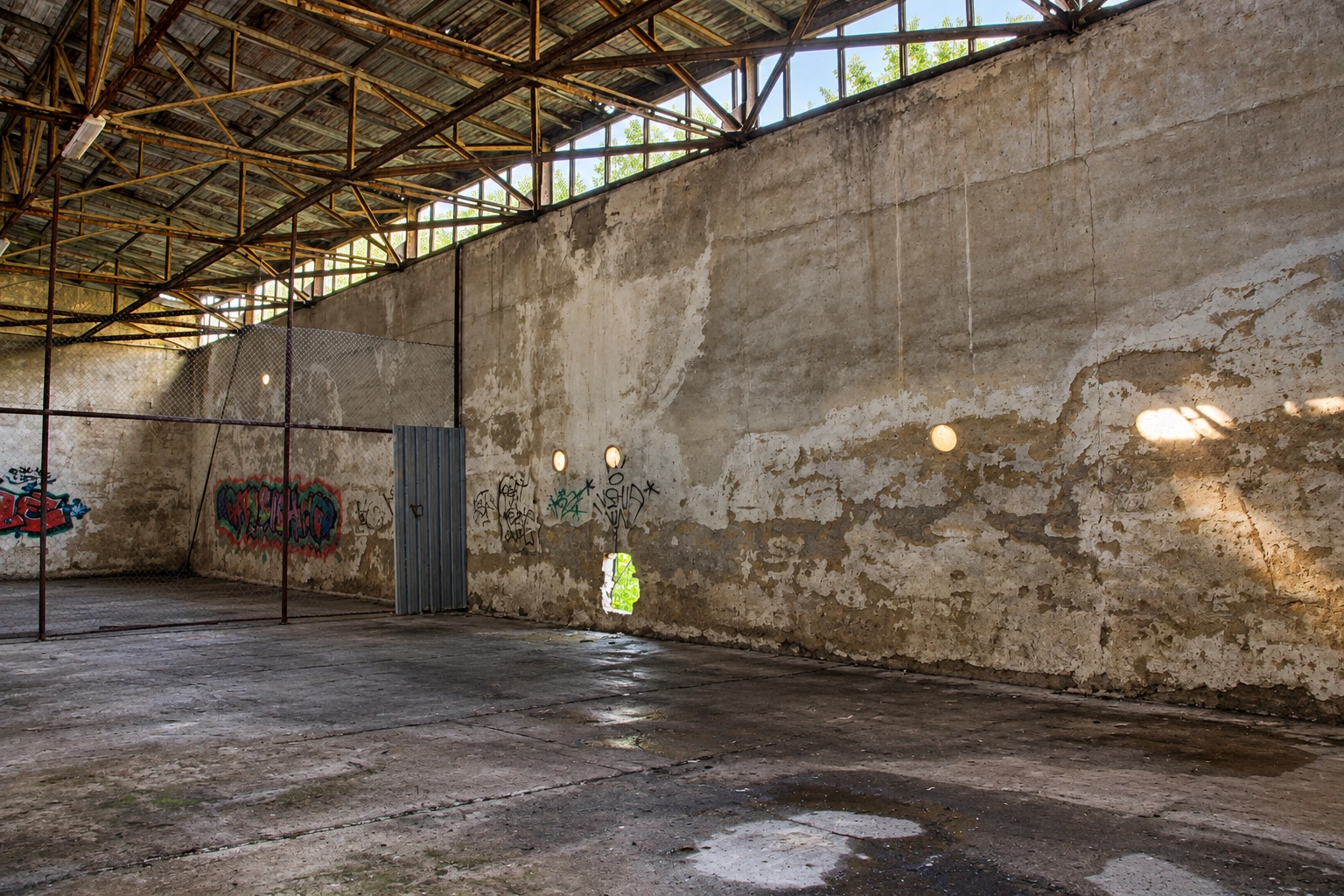
We headed uphill along a stony track at the edge of Dúbravka. To our surprise, the hangar was still standing — rather shabby, but there it was.
A few days later I proudly told Poky senior about our discovery, but he brought me down to earth: yes, it was a hangar, but it had never held gliders; it had always been a store. Wtf? How could that be? Reality was quite different from anything I had read in L+K.
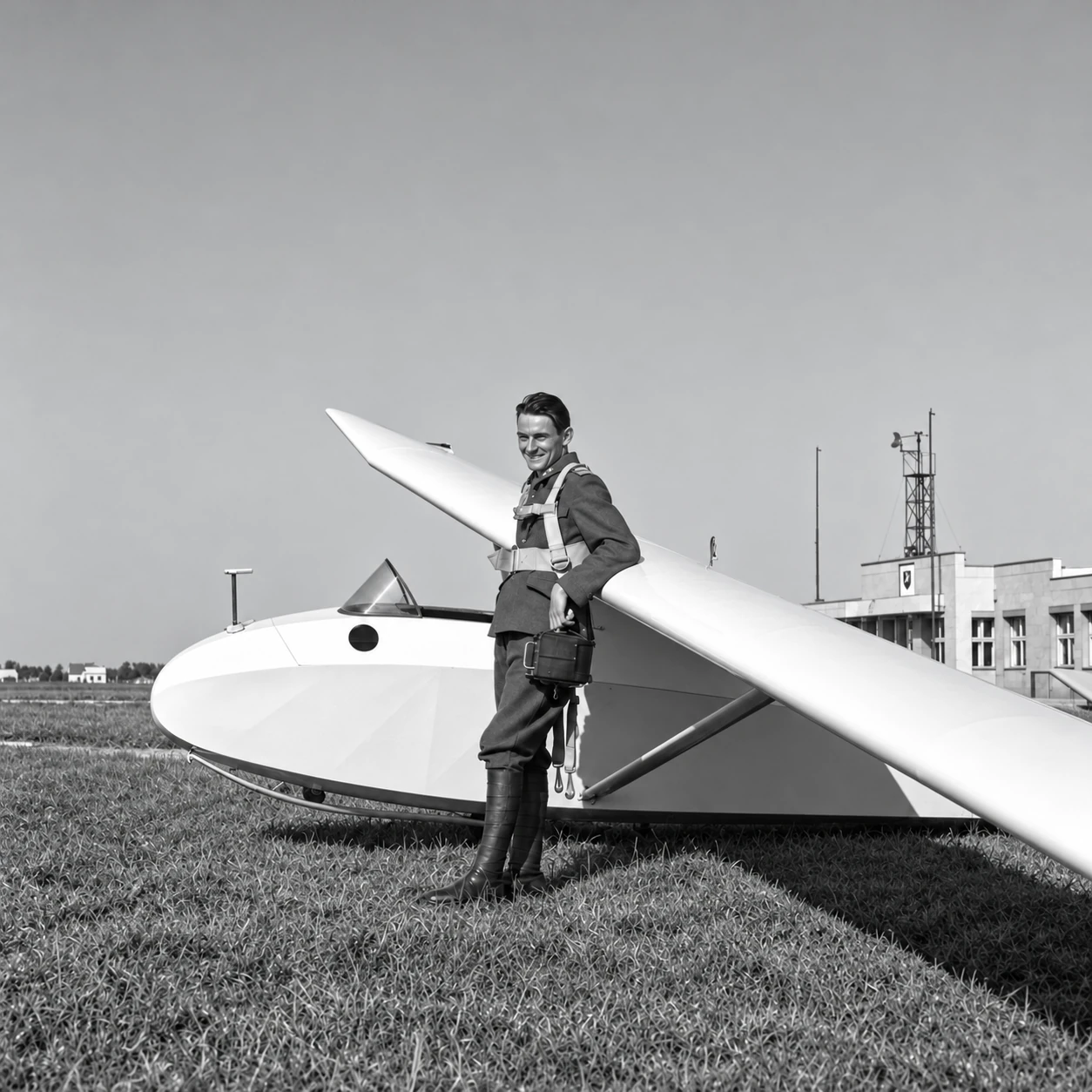
After the war, well-known Bratislava glider pilot Štefan Pleško began working at the Transport Commission in Bratislava. In 1953 he earned the FAI Gold gliding badge as a member of Bratislava–Vajnory Aeroclub. Apparently he now had some influence. Eventually the ministry built a hangar, but it stood in the valley below the slope, so glider pilots never used it. I never understood that decision, nor found anyone who could explain it sensibly.
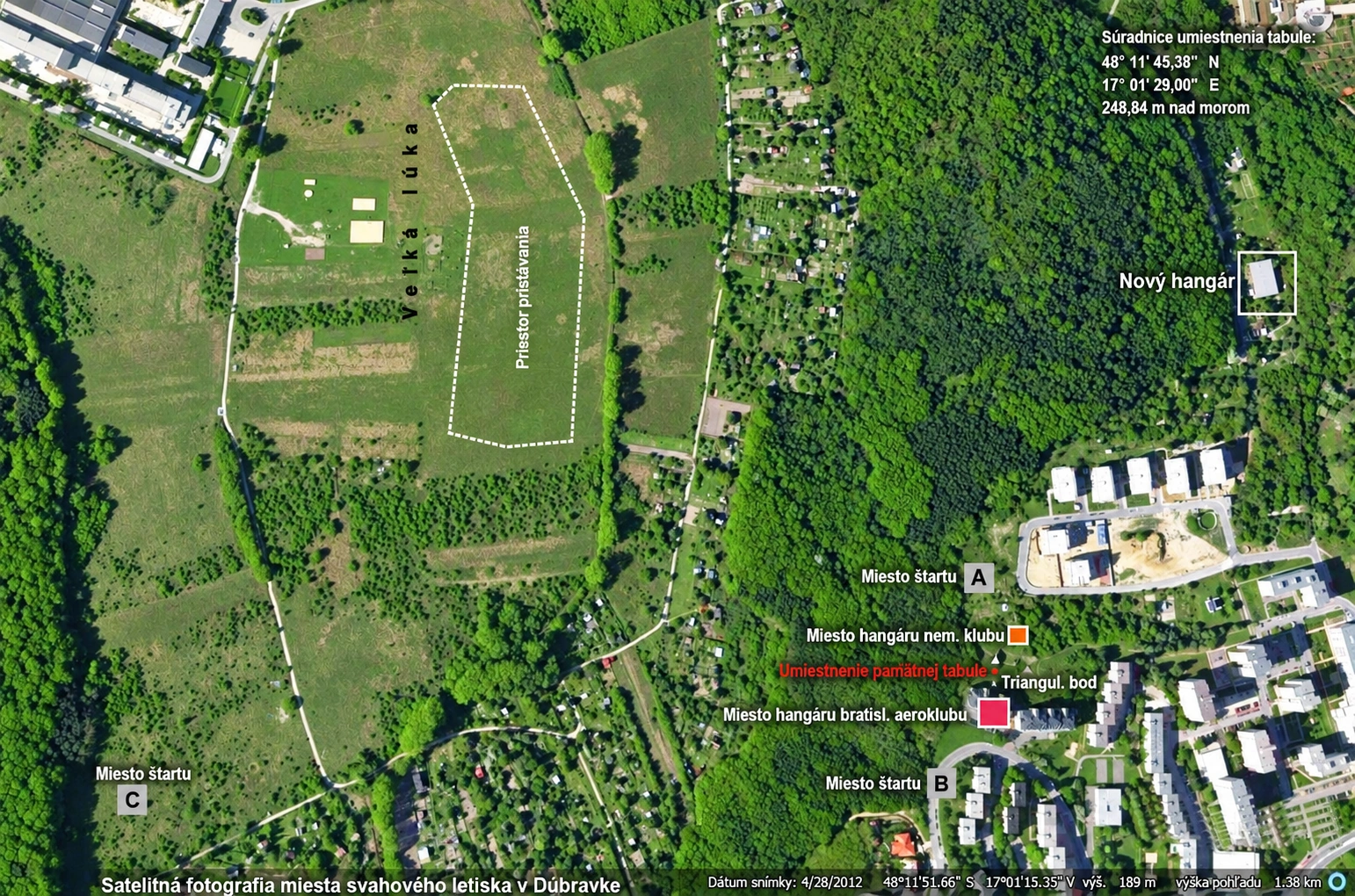
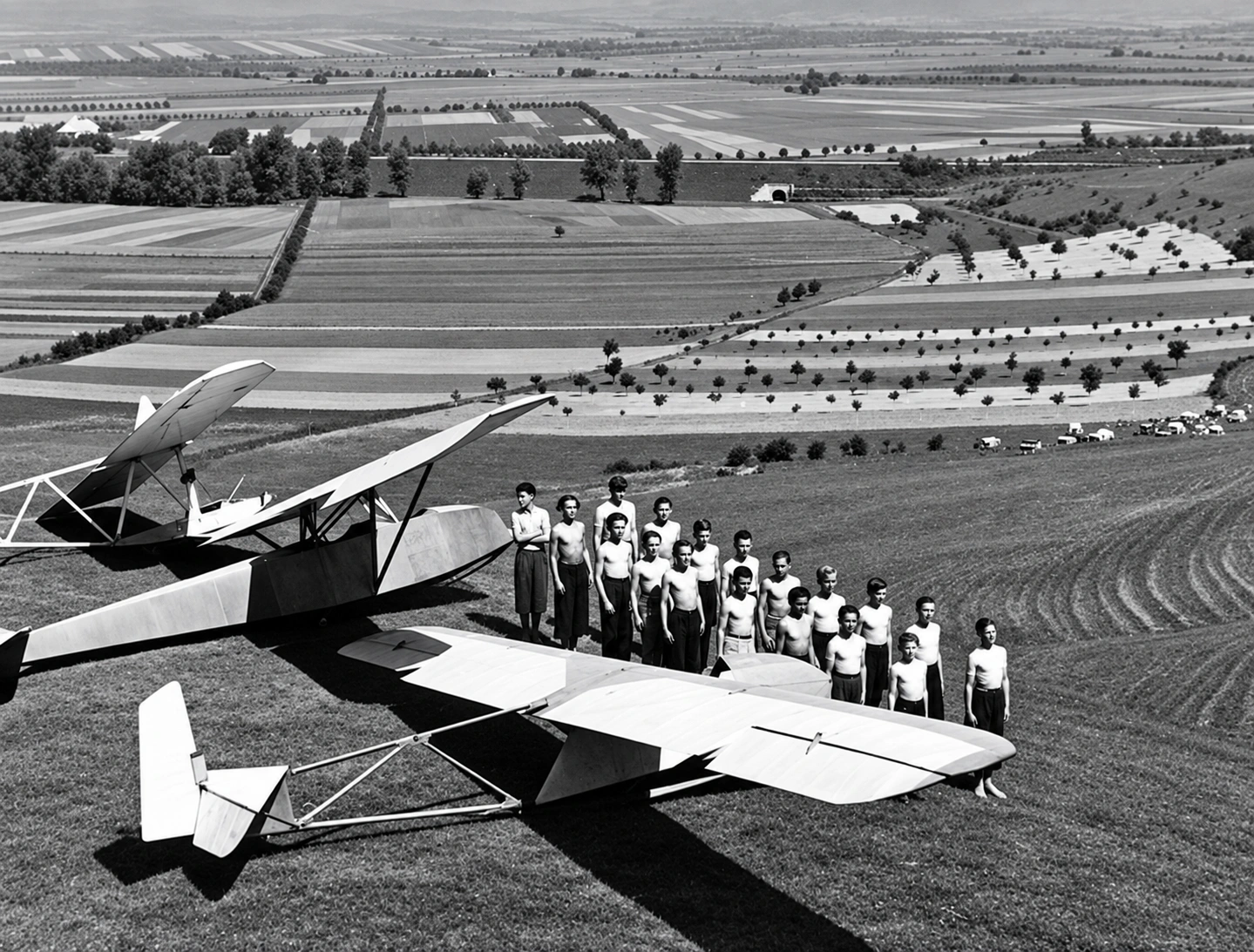
The actual wooden glider hangar stood higher up the slope. Another hangar, used by Freiwillige Schutzstaffel (FS) glider pilots, stood nearby. The attached map marks the launch points, hangars and landing area.
Despite our disappointment, we kept looking. Once again Poky senior solved things by taking us to the Bratislava Aeroclub Veterans’ Club on Dulovo Square. There I met Lojzo Zábrodský, Jozef Schill, Jaroslav Tichý, Miloslav Orth and Milan Lipa, all pilots who had begun flying on the Brižite slope in Dúbravka.

More photographs, stories and names followed, along with surprises. For example, Tomáš Maňka, who intended to fly a Šohaj from Dúbravka to Vajnory but reached Arad in Romania, 380 km away. Or Ivan Matušík, the architect of Bratislava’s PRIOR department store, KYJEV hotel, Slimák shopping centre and new market hall at Trnavské mýto, who had been an active glider pilot in his youth.
We visited an award-winning house by Ivan Matušík, now twenty years old
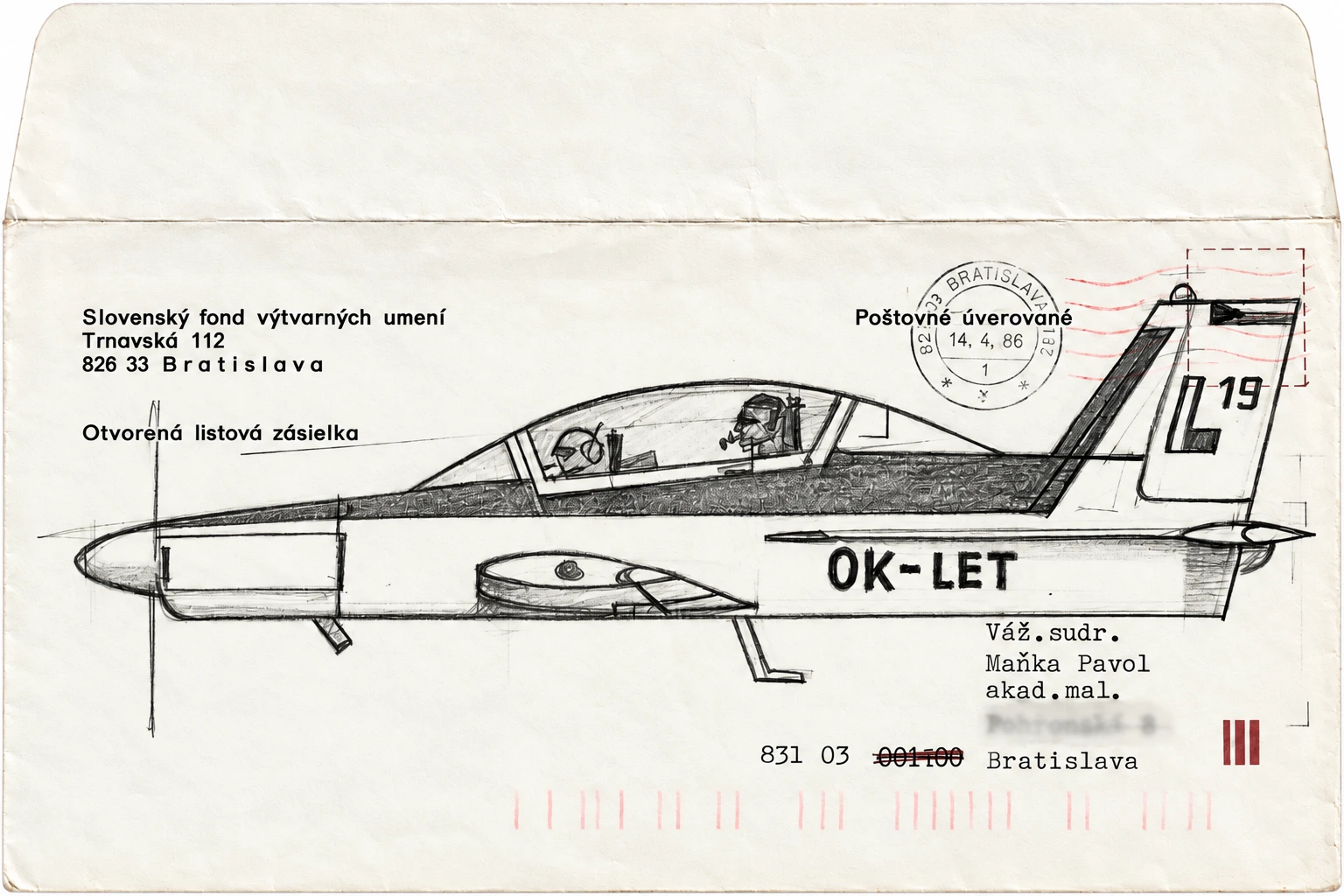
Another surprise was the artist Igor Maňka, Tomáš Maňka’s brother: I had no idea he had flown.
Dúbravka airfield’s fate was sealed in 1952, when all slope airfields in Czechoslovakia were closed. There was another very compelling reason too.
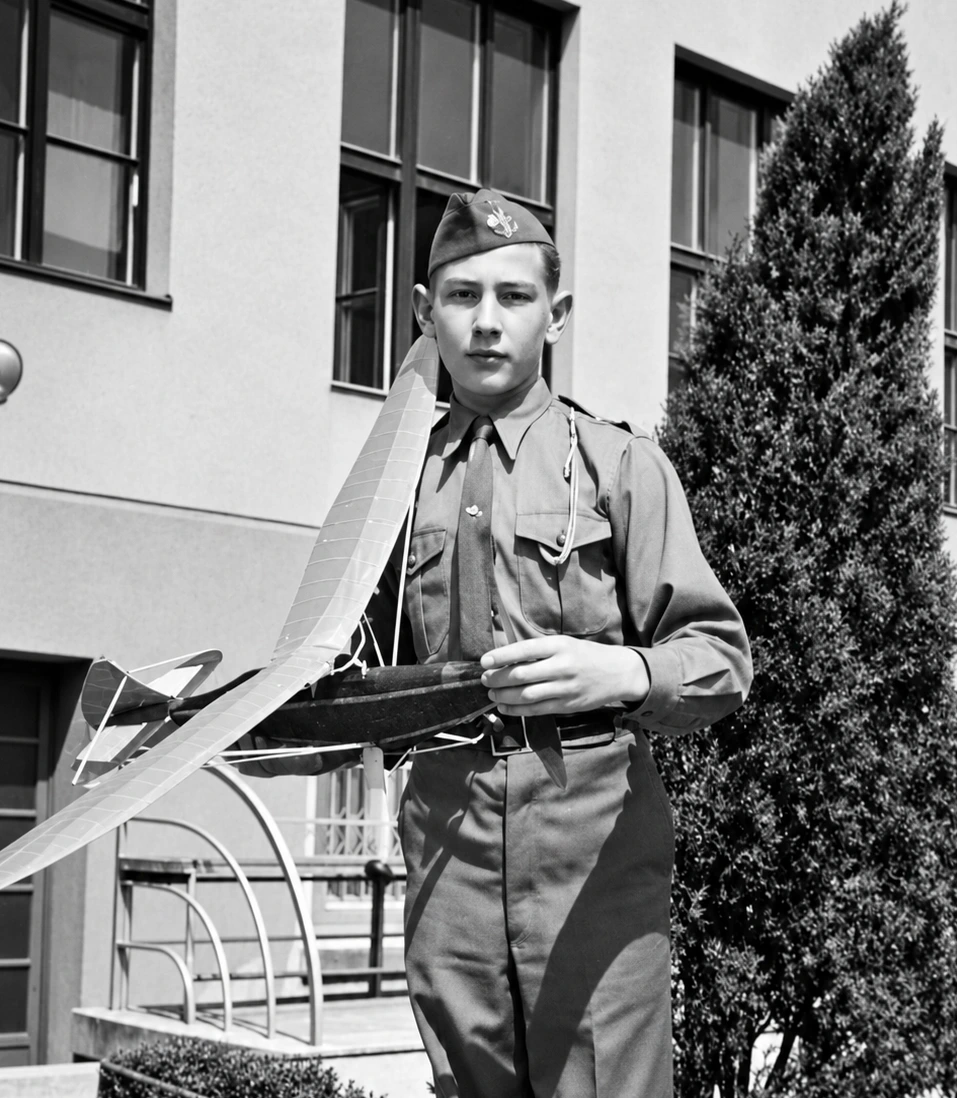
With a favourable wind, one could launch from Brižite and cross the border into Austria even in an ordinary Grunau Baby II. When Dúbravka closed, all its equipment and pilots moved to Vajnory. Aerotows had already been flown at Vajnory during the SLeS period. I cannot say whether these were experiments or routine operations.

Miki Fodor supplied what may be the key document about Dúbravka slope airfield. This website presents a brief AI-assisted transcription, followed by the entire document as a PDF on YUMPU.
Minutes of SLeS Gliding Squadron No. I at Dúbravka, 1944–1945
Minutes of SLeS Gliding Squadron No. I at Dúbravka (1944–1945)
The surviving minutes of SLeS Gliding Squadron No. I document Bratislava glider pilots’ activities from October 1944 to March 1945. This direct contemporary source records regular working meetings, members’ technical education, equipment care and the organisation of practical flying.
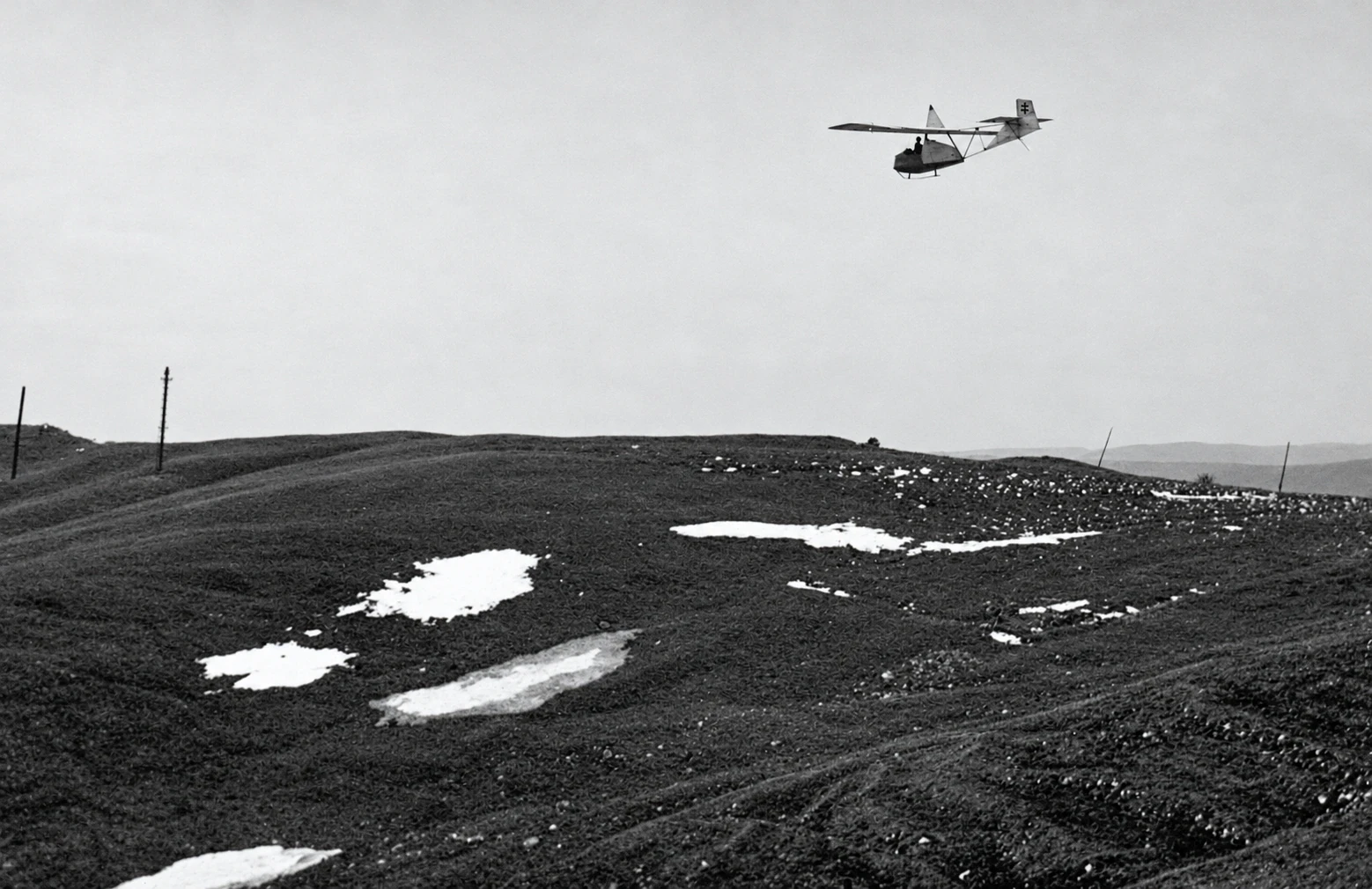
Dúbravka airfield is explicitly mentioned. Squadron members were to gather there, especially on Sundays, to work on the airfield, prepare equipment and fly whenever possible. The document confirms that slope soaring at Dúbravka was part of organised SLeS squadron activity, rather than occasional flying by individuals.
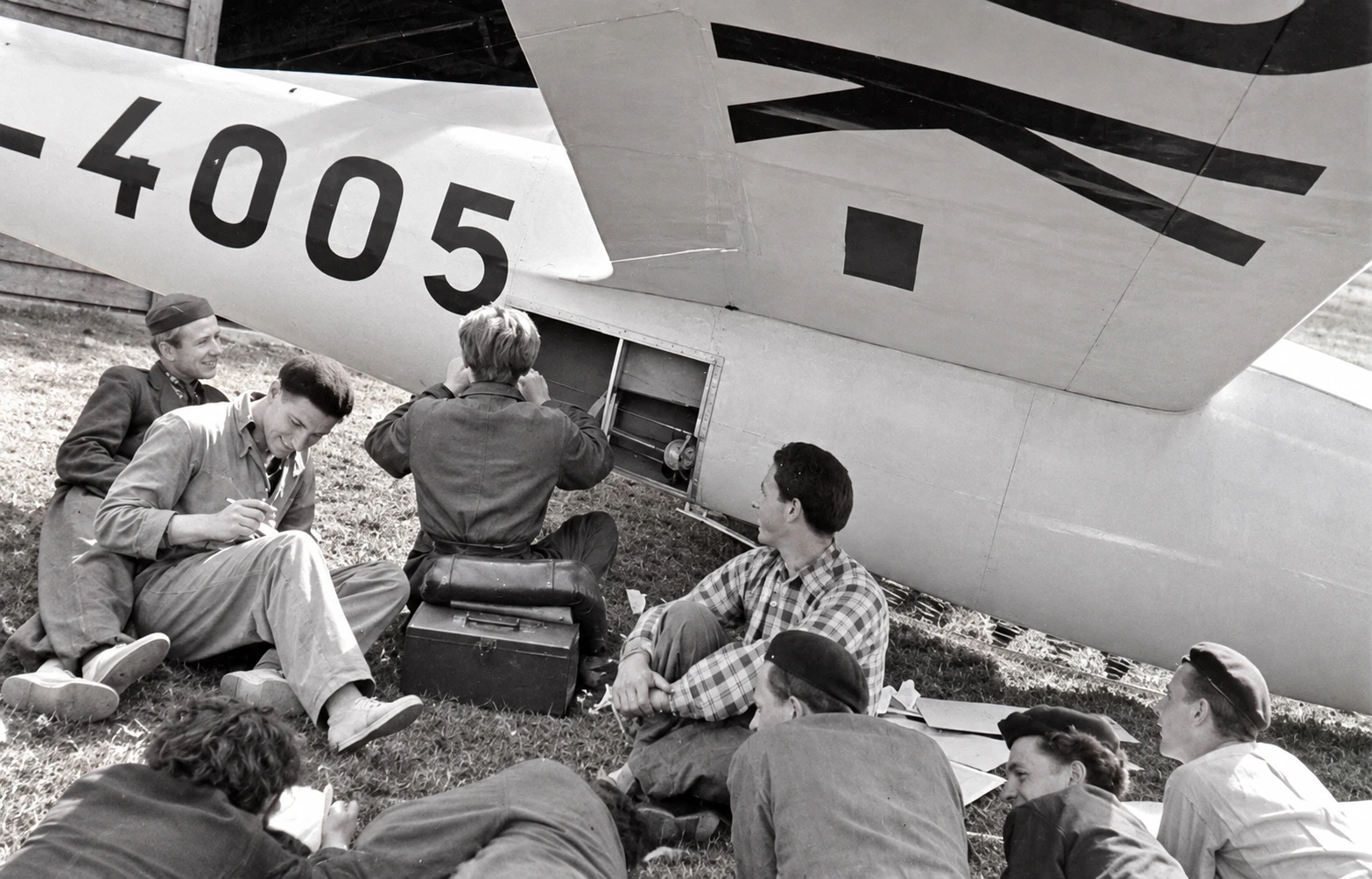
The squadron followed a fairly systematic programme. Meetings dealt not only with administration but also extensively with technical education. Members were assigned lecture topics, and others were expected to contribute notes, experience and information from specialist literature and aviation magazines.
The programme covered in particular:
- glider construction and individual aircraft components,
- controls and handling of unpowered aircraft,
- meteorology and suitable flying conditions,
- flight safety and accident analysis,
- the effects of altitude on the human body,
- aviation regulations and operational organisation,
- technical aviation literature and magazines,
- practical preparation for flying at Dúbravka,
- equipment maintenance and repairs,
- organising Sunday airfield operations,
- squadron club and administrative matters.
The minutes also refer to specialist articles and foreign gliding literature, including works associated with Wolf Hirth. Members were encouraged not only to fly but to study aerodynamics, meteorology, technology and safety continually.
The documents also reveal everyday squadron life: attendance, cash accounts, magazine purchases and subscriptions, travel costs, the clubhouse, equipment repairs and airfield work. In winter, snow clearing and other tasks needed to maintain operations were planned.
Frequently mentioned members include squadron commander Rudolf Slamka, SLeS officer Š. Oleško, as well as (†) Slávo Marendiak, Erik Kvasnička, E. Vávrová, Milan Lipa, (†) Ľ. Bugárová and other members.
The minutes offer a rare picture of Bratislava’s gliding community in the final months of the Second World War. They document not only SLeS Gliding Squadron No. I’s existence but its specific connection to Dúbravka slope airfield, where flying continued despite increasingly difficult wartime conditions.
Working-meeting programme
13 October 1944
squadron administration, cash journal, aviation literature and magazines, travel matters and preparation of technical lectures.
20 October 1944
continued organisational work, technical programme and preparation of further lectures.
27 October 1944
lectures by squadron members and organisation of further technical activities.
3 November 1944
the meeting was not held because too few members attended.
17 November 1944
squadron work programme, equipment condition, contact with members and continued technical education.
1 December 1944
technical education, aviation literature, the magazine Krídla and preparation for practical activities at Dúbravka.
15 December 1944
meeting arrangements, attendance records, technical lectures and club activities.
late December 1944
technical programme, squadron organisation and preparation of further activities.
5 January 1945
lecture on high-altitude flying, altitude’s effects on the human body and meteorological phenomena.
12 January 1945
technical article on gliding, discussion of training and aviation literature.
19 January 1945
the situation within SLeS, the Bratislava squadron’s future and its technical programme.
2 February 1945
visit by an SLeS representative and discussion of further squadron activities.
8 February 1945
work programme and preparation for activities at Dúbravka airfield.
16 February 1945
technical lecture on glider construction and characteristics; preparation for Sunday flying.
23 February 1945
preparation for practical flying and the squadron’s next programme.
2 March 1945
squadron commander Rudolf Slamka’s lecture on gliding; the last entry in the surviving minutes.
Minutes of SLeS Gliding Squadron No. I, 1944–1945
source - Miki Fodor
AI-assisted transcription
After many decades of decay, a group of enthusiasts decided to turn the hangar/storehouse into an aviation museum. They founded a non-profit association, prepared a project and… hit a wall. The hangar continues to decay.
The old Dúbravka glider pilots commissioned a stone memorial plaque to the former airfield, inscribed “Dúbravka slope airfield was here from 1928 to 1952”. It was laid horizontally in a concrete base at ground level.
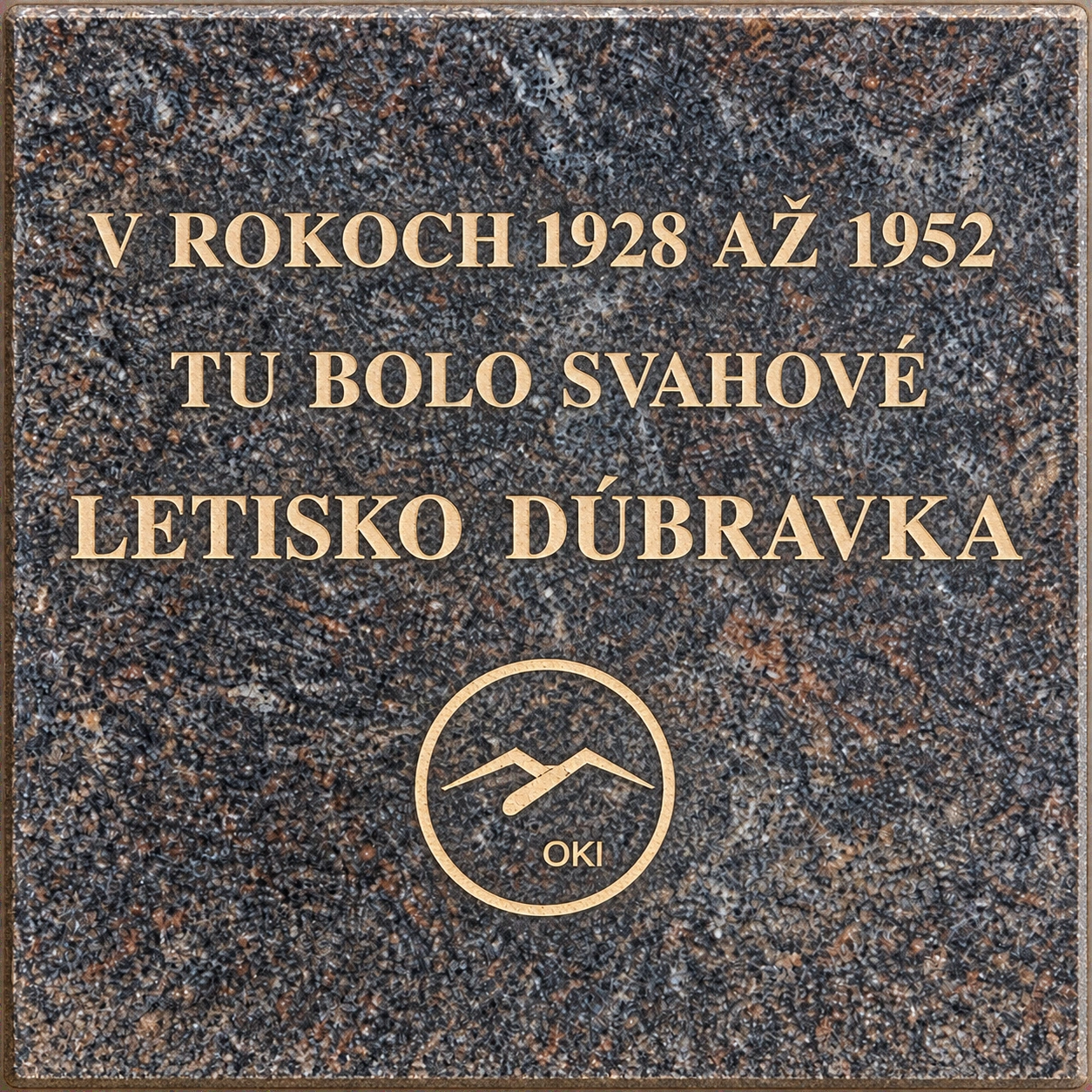
They installed it ceremonially, we photographed everything, and within days it vanished: someone had stolen it. A few days later it was found again, or rather a gentleman who had found it contacted us. The old hands installed the plaque a second time.
Afterwards we went for a beer at a pub supposedly frequented by former Czechoslovak president Mr Gustáv Husák, who grew up in old Dúbravka.
The photograph below shows where the hangar once stood, but even that spot no longer exists as shown. A multi-storey residential building now occupies it, and the stone plaque should be mounted on that building.
At least I hope it is there.