
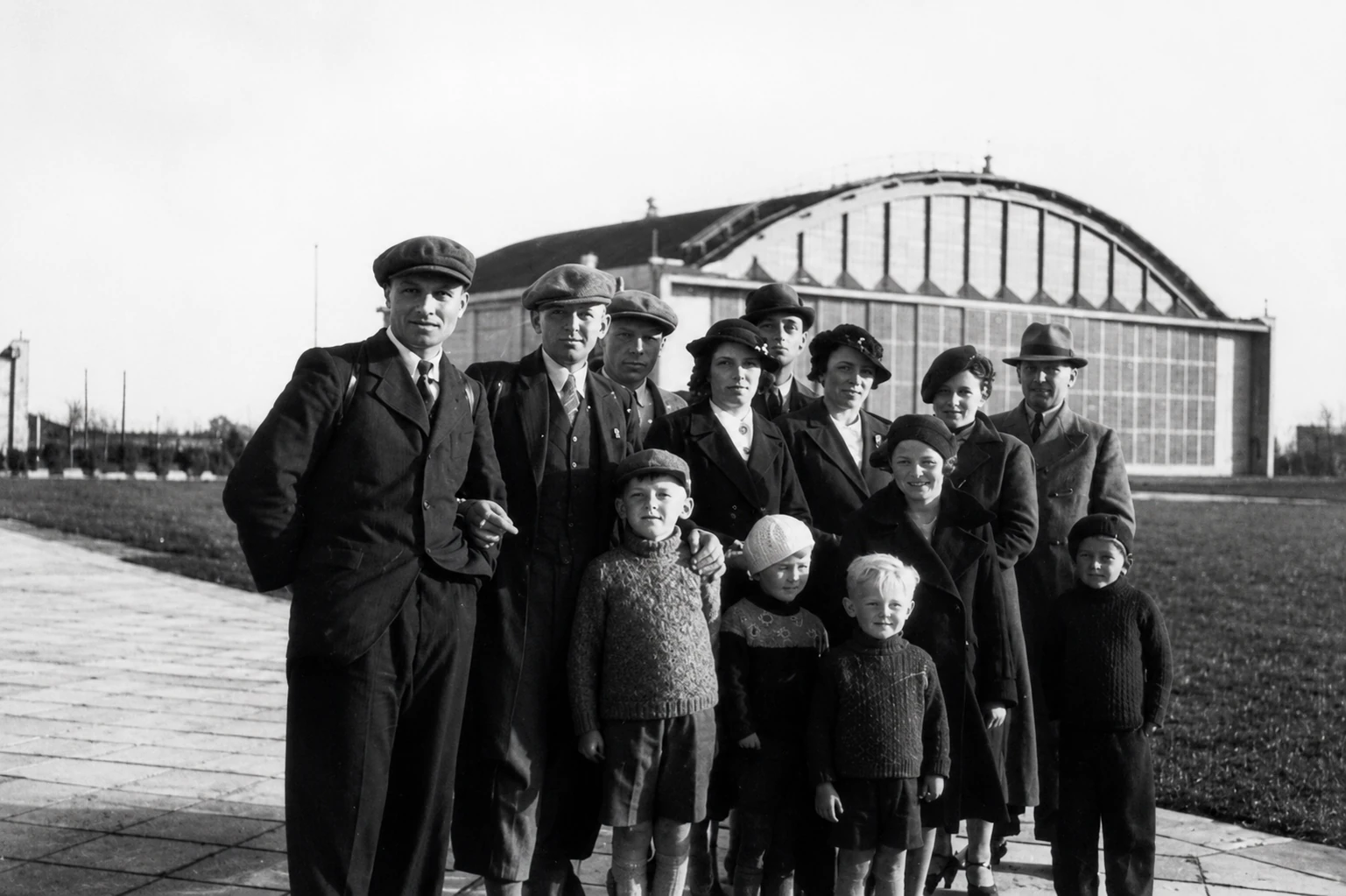
ČSA hangar
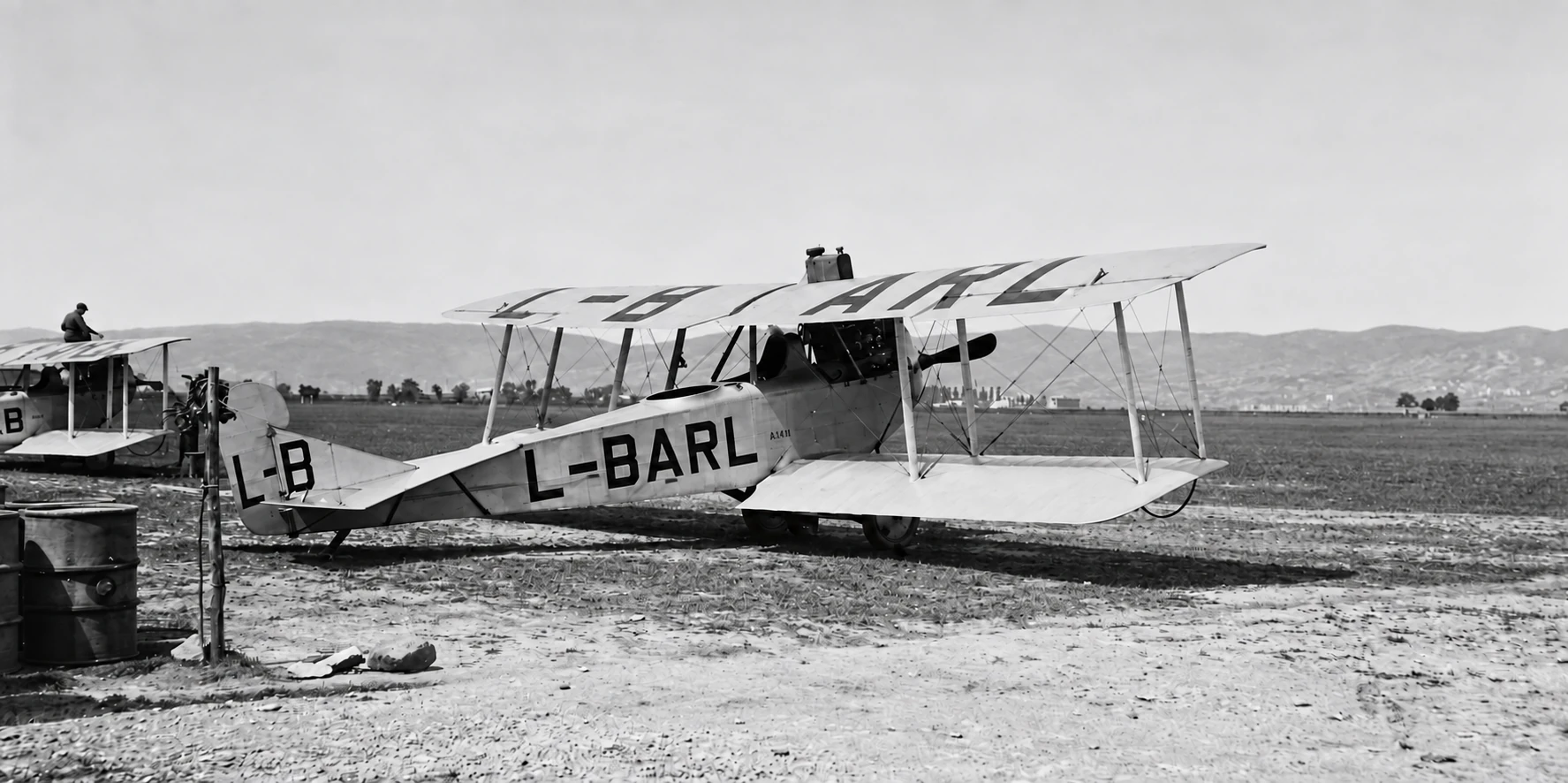
Construction of the ČSA hangar was linked to the growing operations of Czechoslovak State Airlines. Pilot Karel Brabenec first flew the Prague (Kbely)–Vajnory route on 29 October 1923 in Aero A.14.1 / L-BARA.
In 1925, flights between Prague-Kbely and Bratislava-Vajnory operated once daily in each direction, except Sundays and days of particularly poor weather. A scheduled daily service ran during the summer season, generally from May to the end of October. An aircraft left Prague for Bratislava around noon, later continuing to Košice, while another flew in the opposite direction.
Whereas flights had been occasional in 1923, by 1925 the route provided a stable and reliable daily transport link.
According to the timetable dated 1 July 1924, the aircraft departed Kbely at 1 p.m. and was due at Vajnory at 3 p.m. After an hour’s stop it continued to Košice. The Prague–Bratislava leg was thus scheduled to take two hours in this direction, although weather could alter the planned times.
| Airfield | Arrival | Departure |
|---|---|---|
| Prague-Kbely | — | 13:00 |
| Bratislava-Vajnory | 15:00 | 16:00 |
| Košice | 19:00 | — |
A one-way ticket between Prague and Bratislava cost 160 Kč; state employees and soldiers paid 100 Kč. Passengers travelled in the open cockpit of an Aero A.14, and preparing for the flight included putting on a flying suit.
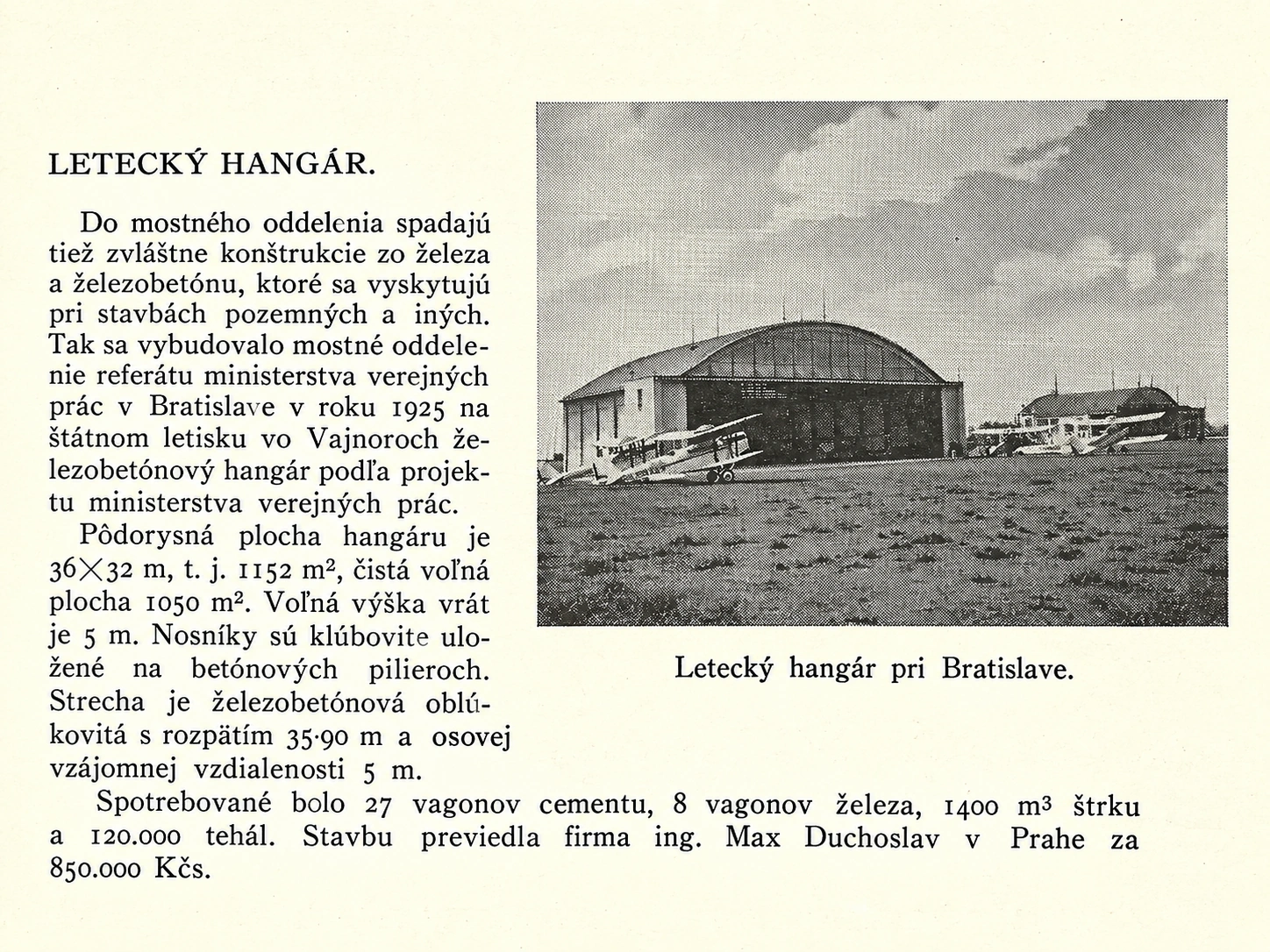
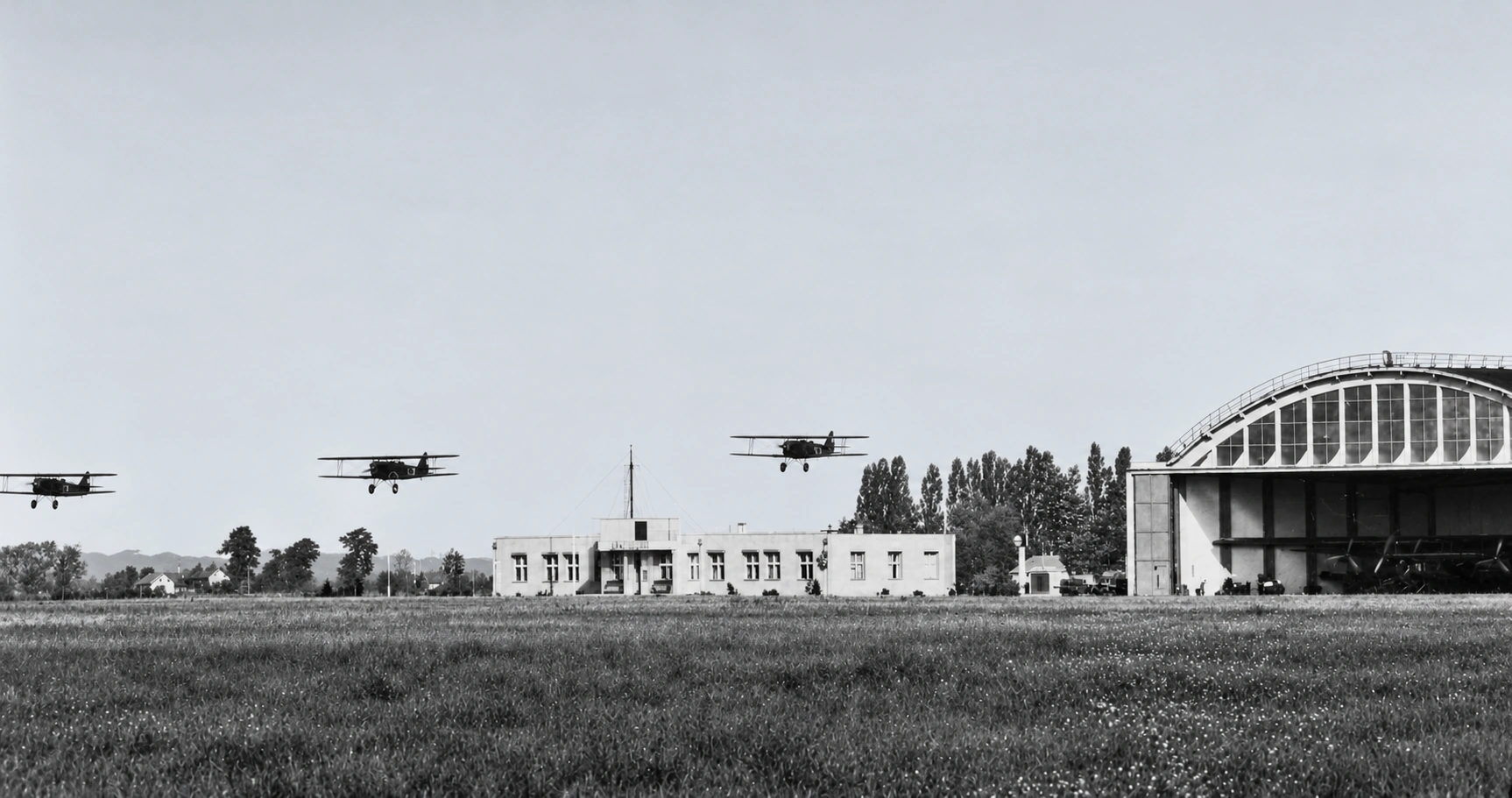
To accommodate growing air traffic, the Ministry of Public Works commissioned a reinforced-concrete ČSA hangar at Vajnory in 1925. Its bridge department prepared the design.
The hangar’s footprint measured 36 × 32 metres, or 1.152 m². Its unobstructed internal area was approximately 1.050 m² and the clear door height was five metres. The beams rested on reinforced-concrete pillars through hinged supports; the arches spanned 35.90 metres and were spaced five metres apart.
Construction used 27 wagonloads of cement, eight wagonloads of iron, 1.400 m³ of gravel and 120.000 bricks. The Prague firm Ing. Max Duchoslav built it for 850.000 Kčs.
A personal recollection
When I began flying at Vajnory in 1982, there was an old, deeply wrinkled aircraft mechanic whom we called “Uncle Fašung”. His face was deeply lined. I sometimes thought he washed his oil-covered face with aviation petrol, which dries the skin badly.
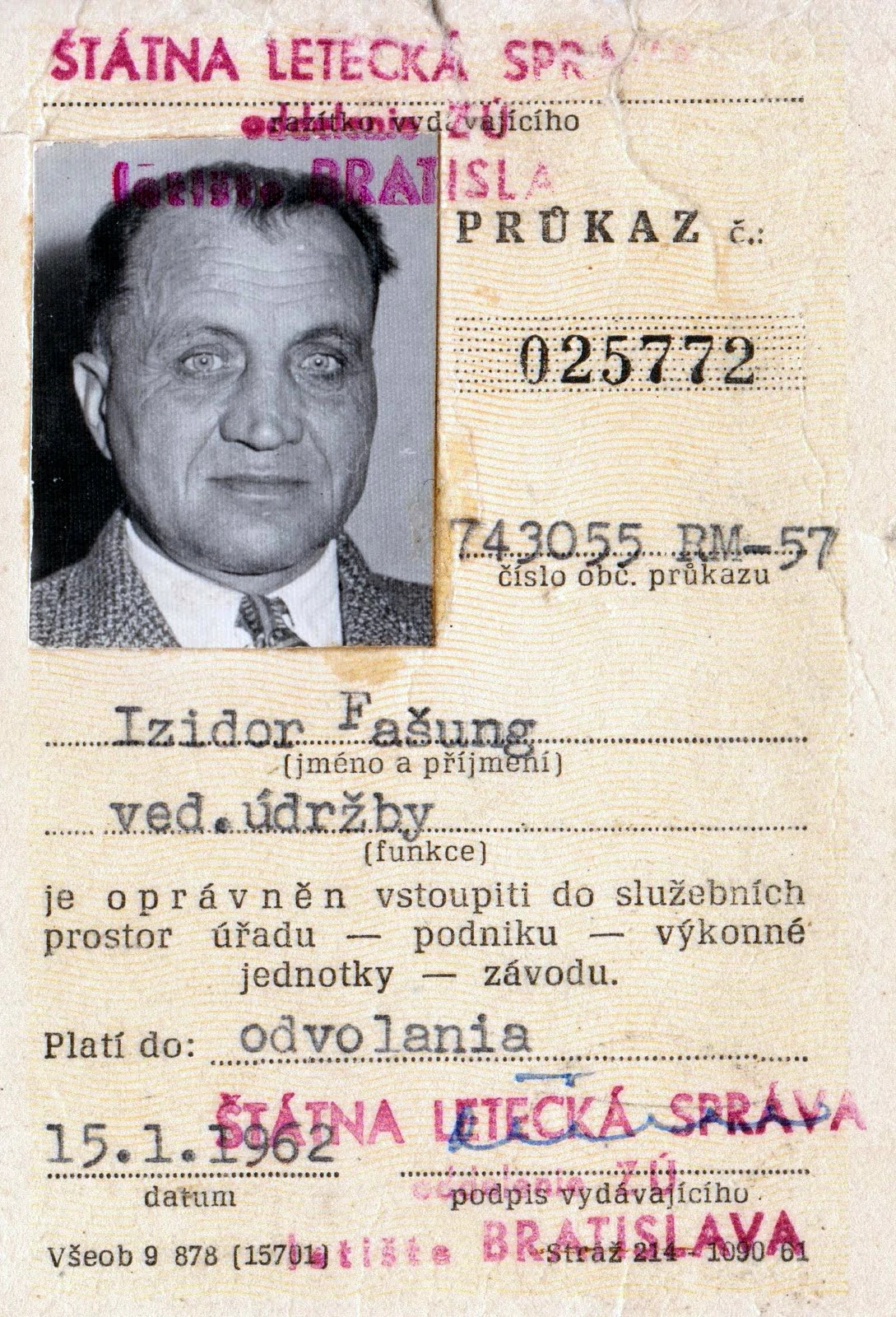
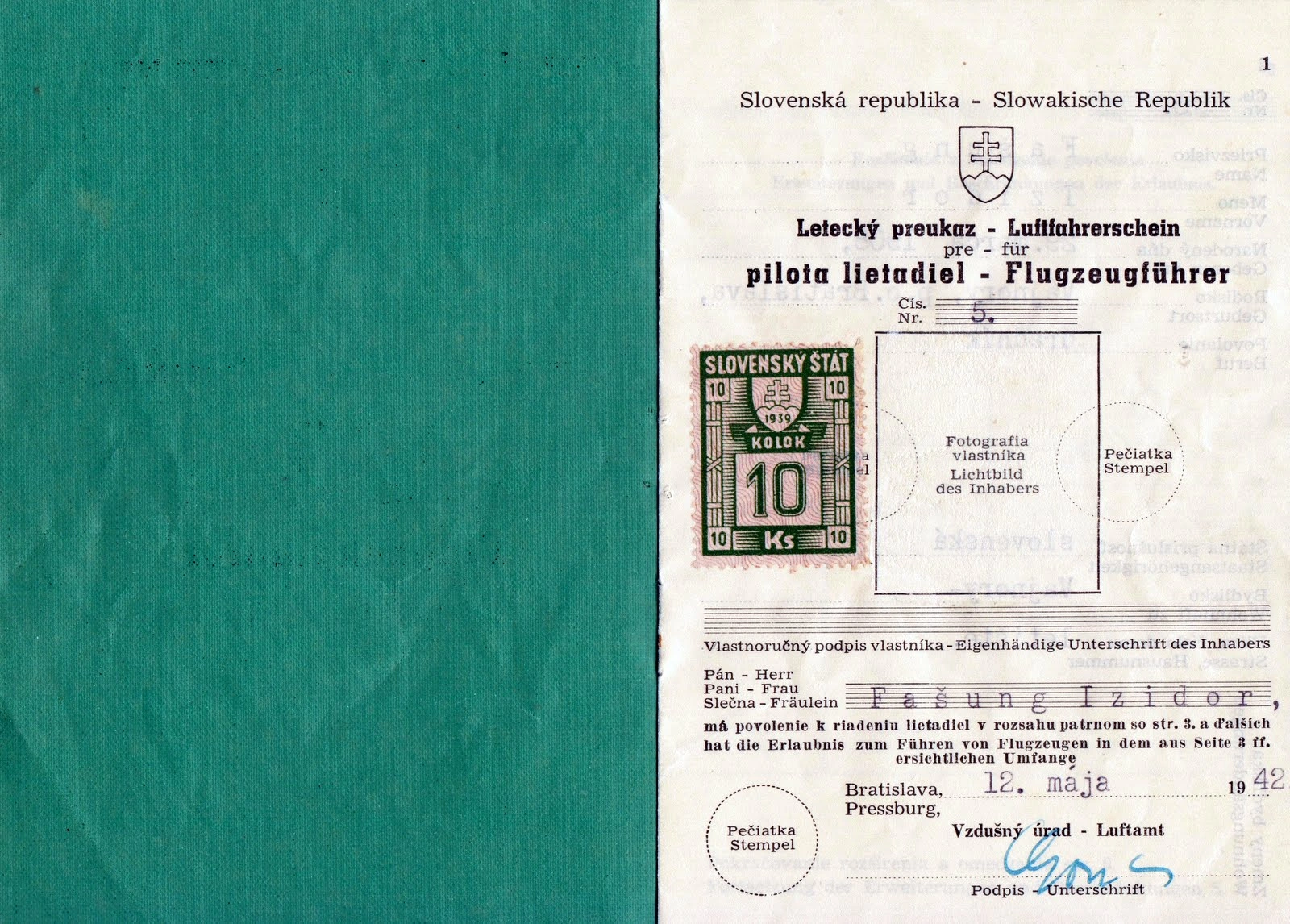
I cannot say whether he was related to the Izidor Fašung who supplied these photographs. While researching Vajnory families, however, I found the Fašung, Zeman and Grebeči families among Vajnory’s long-established prominent families.
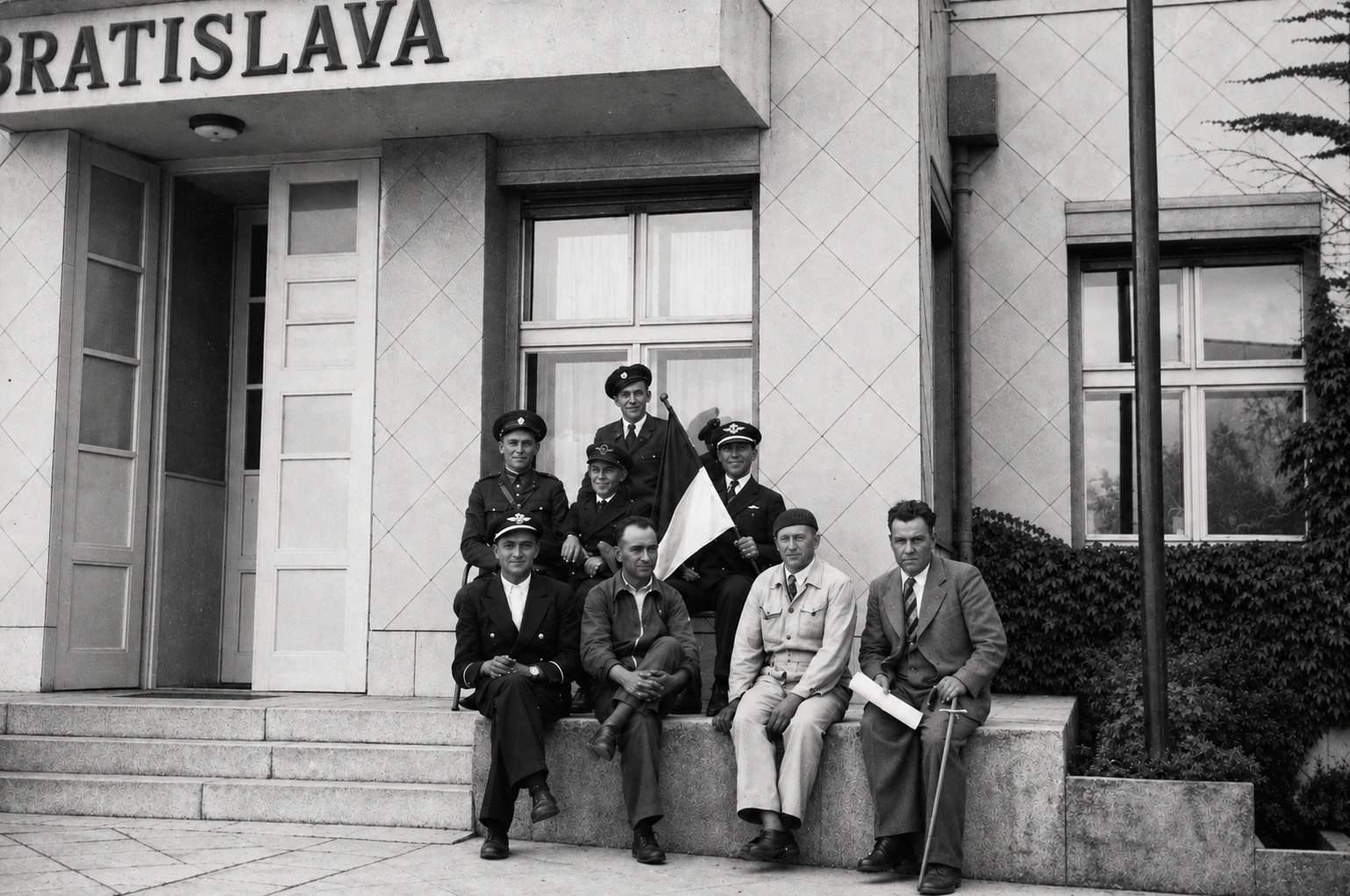
At Vajnory Aeroclub I personally knew Ondro Fašung, an ultralight pilot, the glider pilot Zeman, whom we called “old Mr Zeman”, and Grebeči, a parachutist.

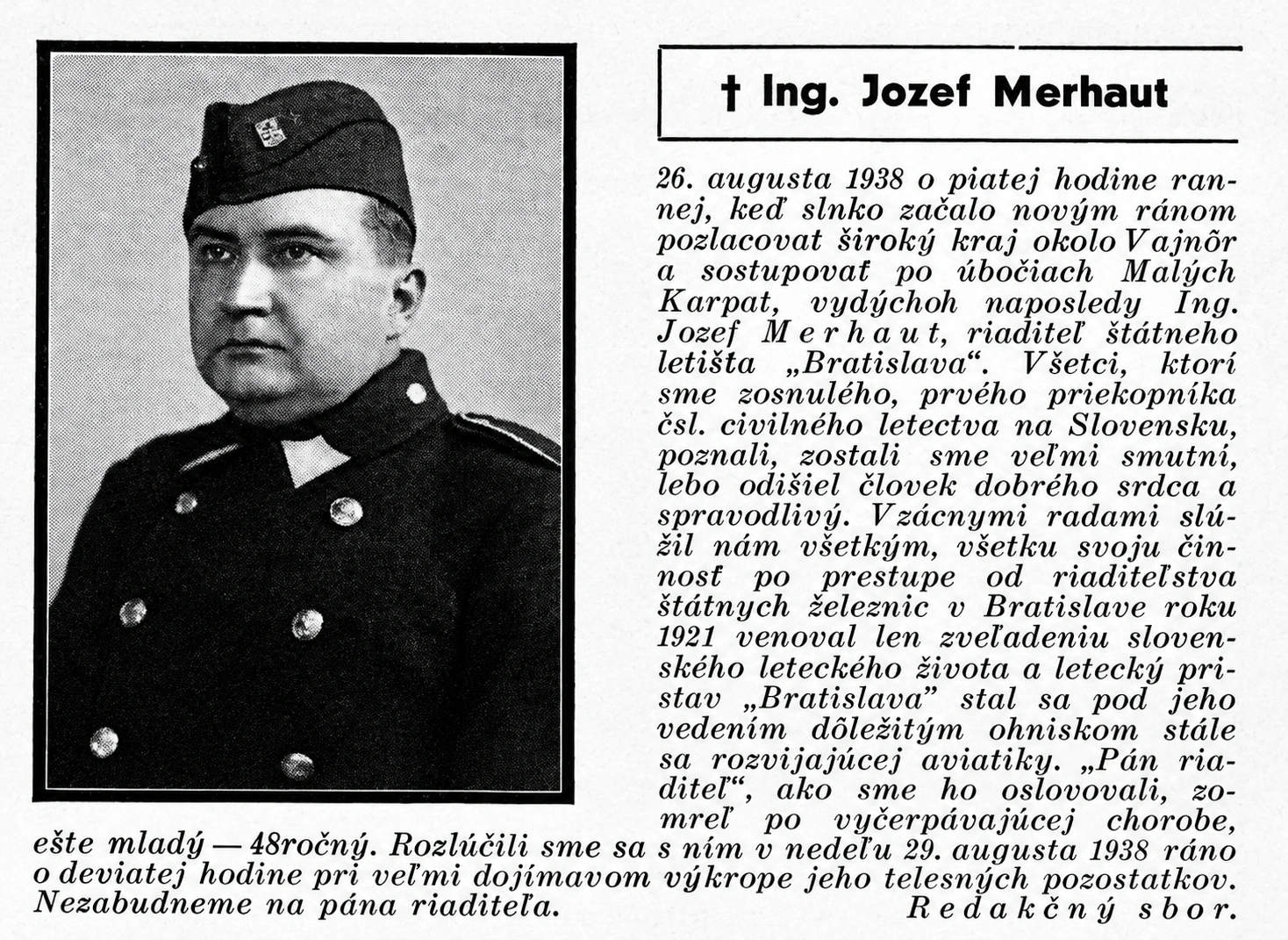
† 26. 8. 1938
Ing. Jozef Merhaut had previously been active in SAK Bratislava: as a reserve auditor in 1931 and treasurer in 1935.
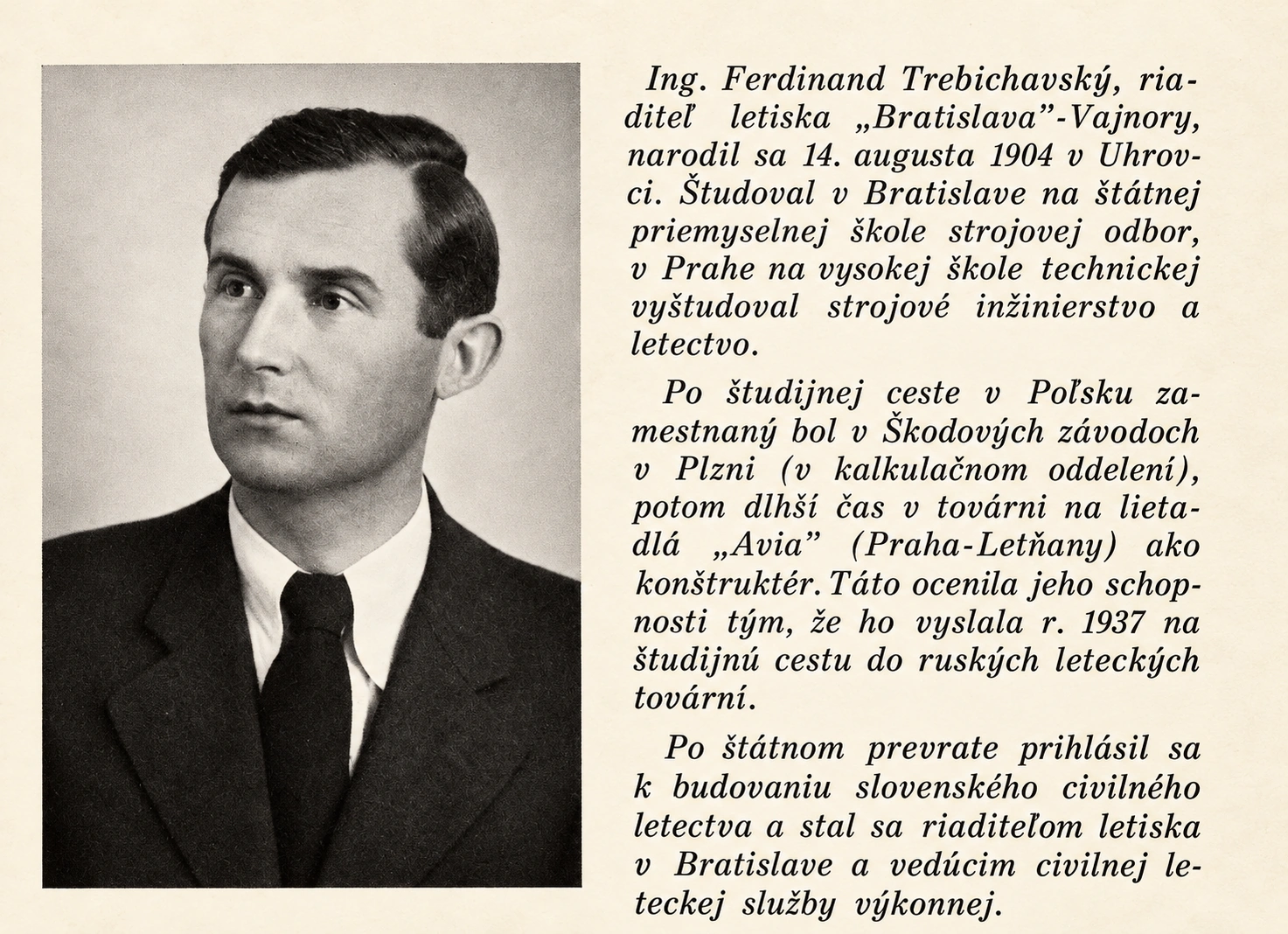
Ing. Ferdinand Trebichavský, director of “Bratislava”-Vajnory airfield, was born on 14 August 1904 in Uhrovec. He studied mechanical engineering at the state industrial school in Bratislava and then mechanical engineering and aviation at the technical university in Prague.
After a study trip to Poland, he worked in the estimating department at Škoda in Plzeň, then for a longer period as a designer at the Avia aircraft factory in Prague-Letňany. In recognition of his abilities, the company sent him on a study trip to Russian aircraft factories in 1937.
Following the change of state, he joined the development of Slovak civil aviation, becoming director of Bratislava airfield and head of the executive civil aviation service.
After the war, he served as head of the Aviation Department at the Commission for Transport in Bratislava. In June 1945, he became chairman of the preparatory committee for the re-establishment of the Slovak National Aeroclub. He was director-general of ČSA in 1946–1947 and was dismissed from the post in February 1947. He was also an aviation historian and author of specialist literature.
AI-enhanced photosource - Letecké noviny
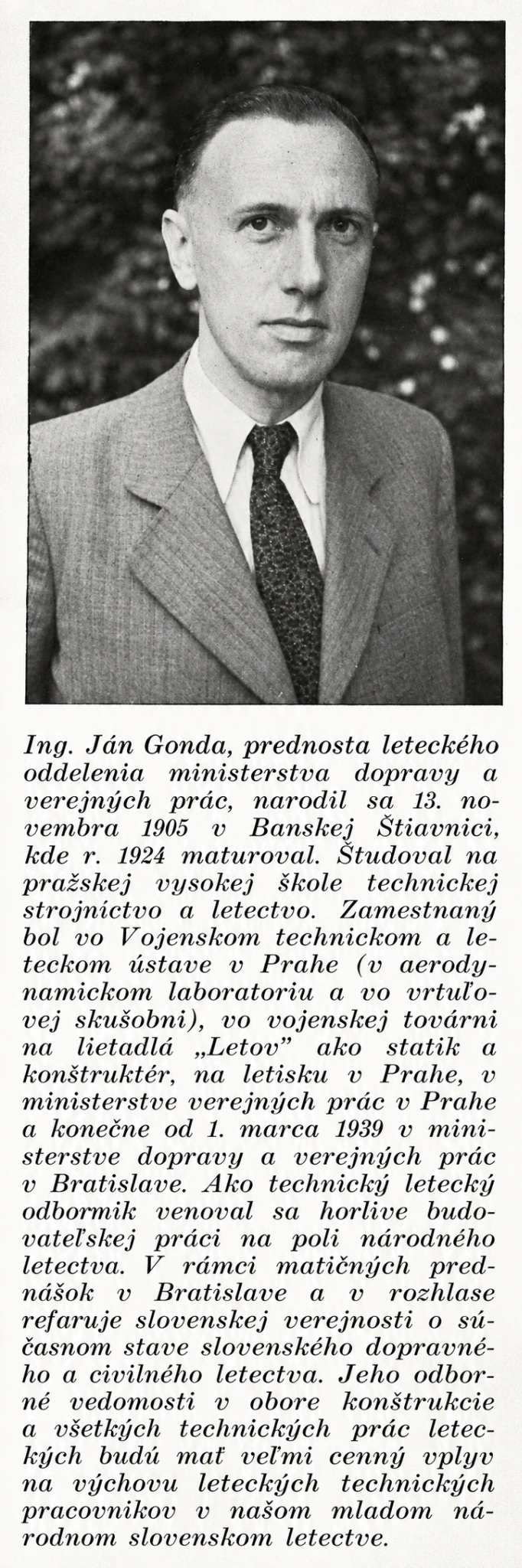
Ing. Ján Gonda, head of the Aviation Department at the Ministry of Transport and Public Works, was born on 13 November 1905 in Banská Štiavnica, where he completed secondary school in 1924. He studied mechanical engineering and aviation at the technical university in Prague.
He worked at the Military Technical and Aviation Institute in Prague (in the aerodynamics laboratory and the propeller testing facility), at the Letov military aircraft factory as a structural engineer and designer, at Prague airport, at the Ministry of Public Works in Prague and, finally, from 1 March 1939 at the Ministry of Transport and Public Works in Bratislava.
As an aviation technical specialist, he devoted himself enthusiastically to building national aviation. Through lectures organised by Matica slovenská in Bratislava and radio broadcasts, he informs the Slovak public about the current state of Slovak air transport and civil aviation. His expertise in aircraft design and all aspects of aviation technical work will make a valuable contribution to the training of aviation technical personnel in our young Slovak national aviation sector.