
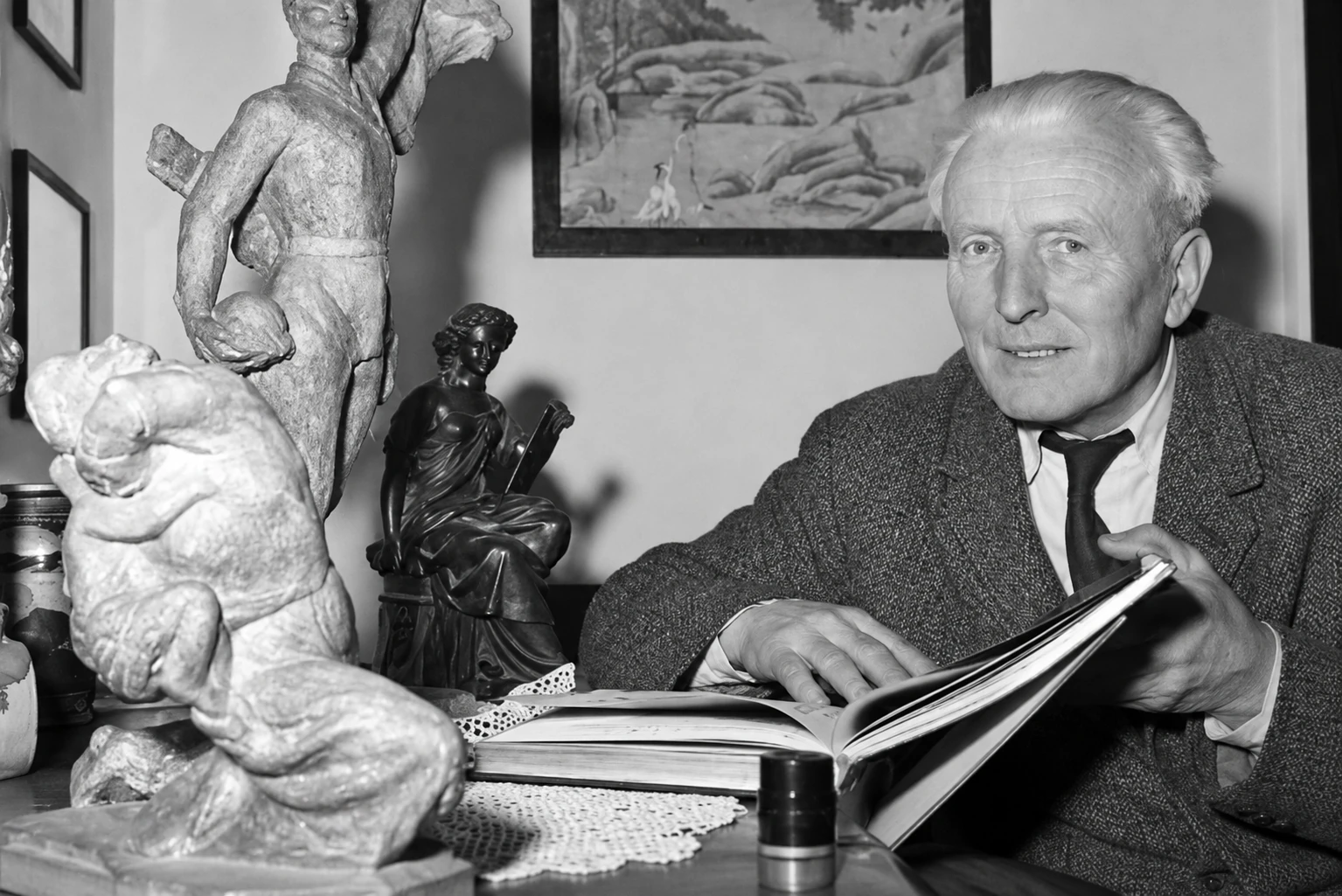
Vojtech Ihriský
He combined two passions in his life: he was an academic sculptor and creator of monumental memorials, but also a sport pilot. In the history of SAK Bratislava, he is notable as one of the first four pilots trained by the Aeroclub to pass their pilot examinations.
He was born on 7 December 1899 in Krásno nad Kysucou. His father, Alexander Ihriský, was a teacher and director of church music. Vojtech studied in Levoča and Spišská Nová Ves, and later continued his artistic studies in Prague, where his teachers included Jan Štursa and Max Švabinský.
One of Ihriský’s best-known works is the monument to P.O. Hviezdoslav on Hviezdoslav Square in Bratislava (opposite the Slovak National Theatre). Vojtech Ihriský and Jozef Pospíšil worked on the artistic design, while Július Lehocký was responsible for the architecture.
There is a striking paradox in Ihriský’s biography. Tens of thousands of Bratislava residents know his work and have walked past it for decades, yet only a few people today know the name of its creator.
Ihriský’s work was much broader. He devoted himself to monumental sculpture, memorials to the fallen, portraits, reliefs, plaques and medal-making. His works were created in several locations across Slovakia.
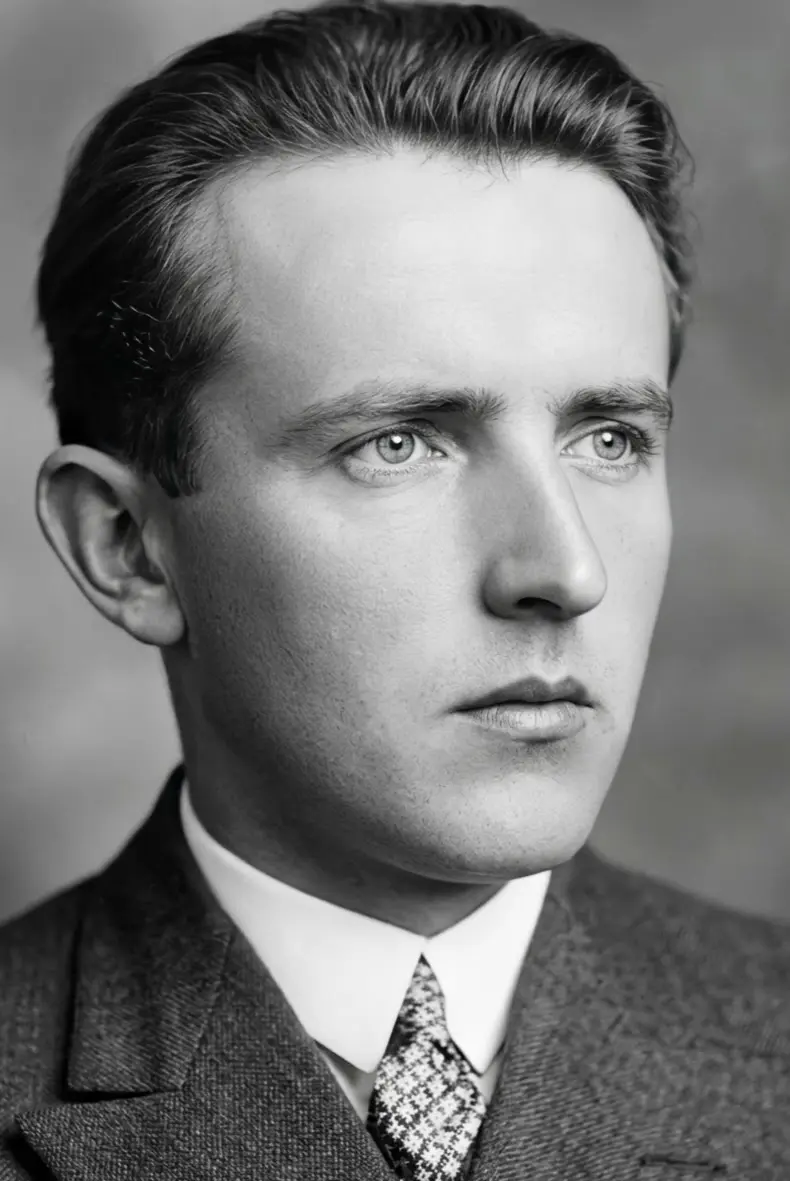
Pilot of the Slovak Aeroclub of M. R. Štefánik
For the history of SAK Bratislava, however, another part of his life is essential.
A contemporary report of the Slovak Aeroclub published in the magazine Letectví in February 1931 lists Vojtech Ihriský among the first pilots trained in 1930. The others were Ms Ľudmila Šapošniková, capt. Kočmerževský and sgt. maj. Coufal.
The same report also mentions one practical episode from his training. During club flying in 1930 there were two emergency landings without an accident. One was made by Ľudmila Šapošnikovová, the other by Vojtech Ihriský.
At the SAK general meeting on 2 February 1931, Ihriský was elected the club’s first secretary.
Altitude record
Vojtech Ihriský did not stop at basic pilot training. In 1940, flying a Praga E-114 Air Baby, he set a Slovak altitude record by reaching 5,400 metres.
The exact date of the record flight is not known.
Aviation themes in Ihriský’s artistic work
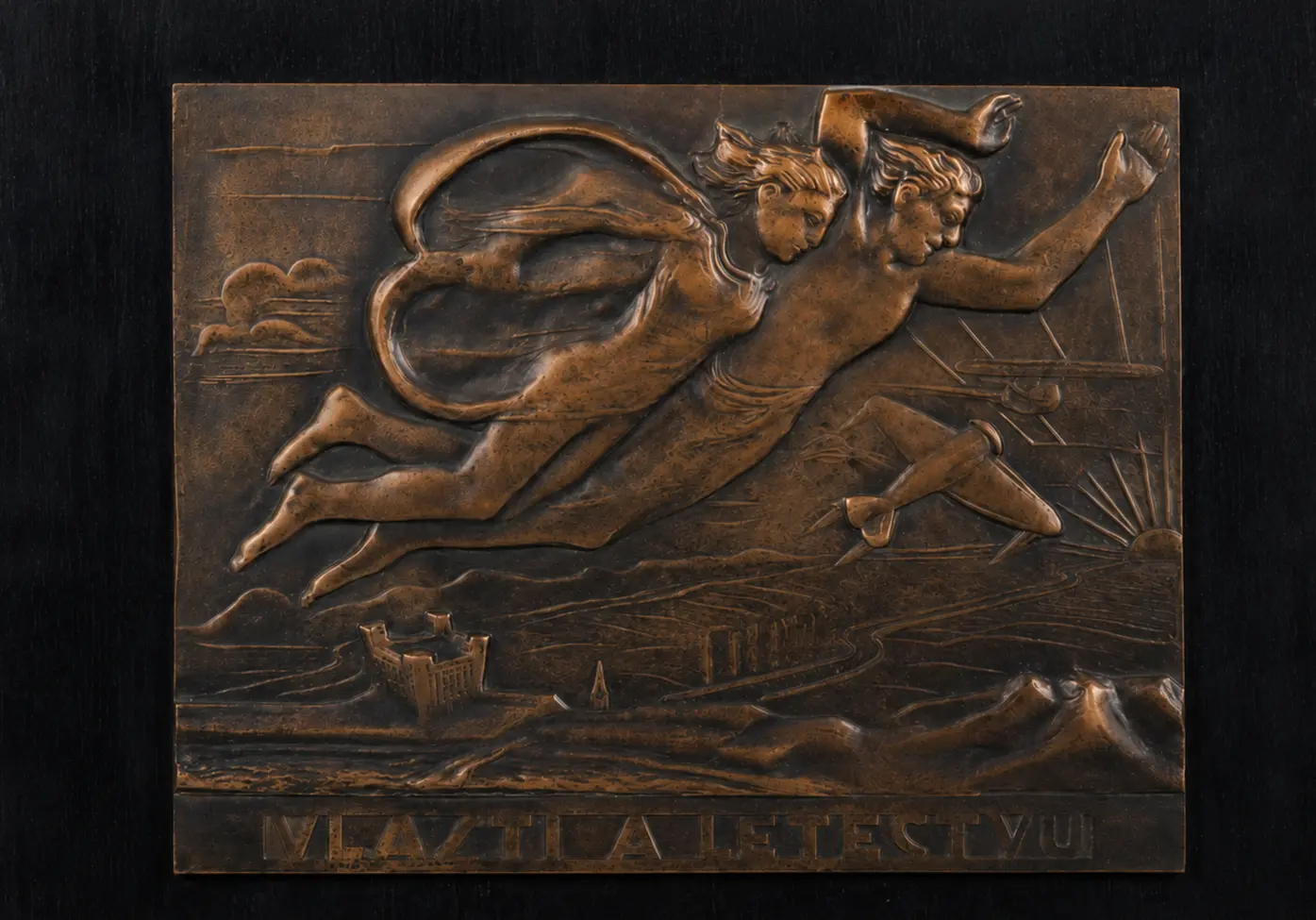
Two bronze plaques with aviation themes have survived.
The first is the bronze plaque of the Dr Gustáv Hubáček Memorial. It was an artistic commemorative object dedicated to Gustáv Hubáček, one of the founders of SAK. The memorial is sometimes incorrectly described as an aviation race; it was in fact a ski race.
The other bronze plaque is titled For the Homeland and Aviation / M. R. Štefánik Memorial. It commemorates aviation competitions held in 1935 and 1936.
Contemporary newspapers described them directly as the “Czechoslovak navigation and speed competition, Štefánik Memorial”.
Philatelic sources document a special “Štefánik Memorial” postmark dated 10 June 1935. In 1936, the second memorial was held on 11 September; the contemporary press described it as an aviation day and a special Bratislava postmark also survives.
M. R. Štefánik statue in Považská Bystrica
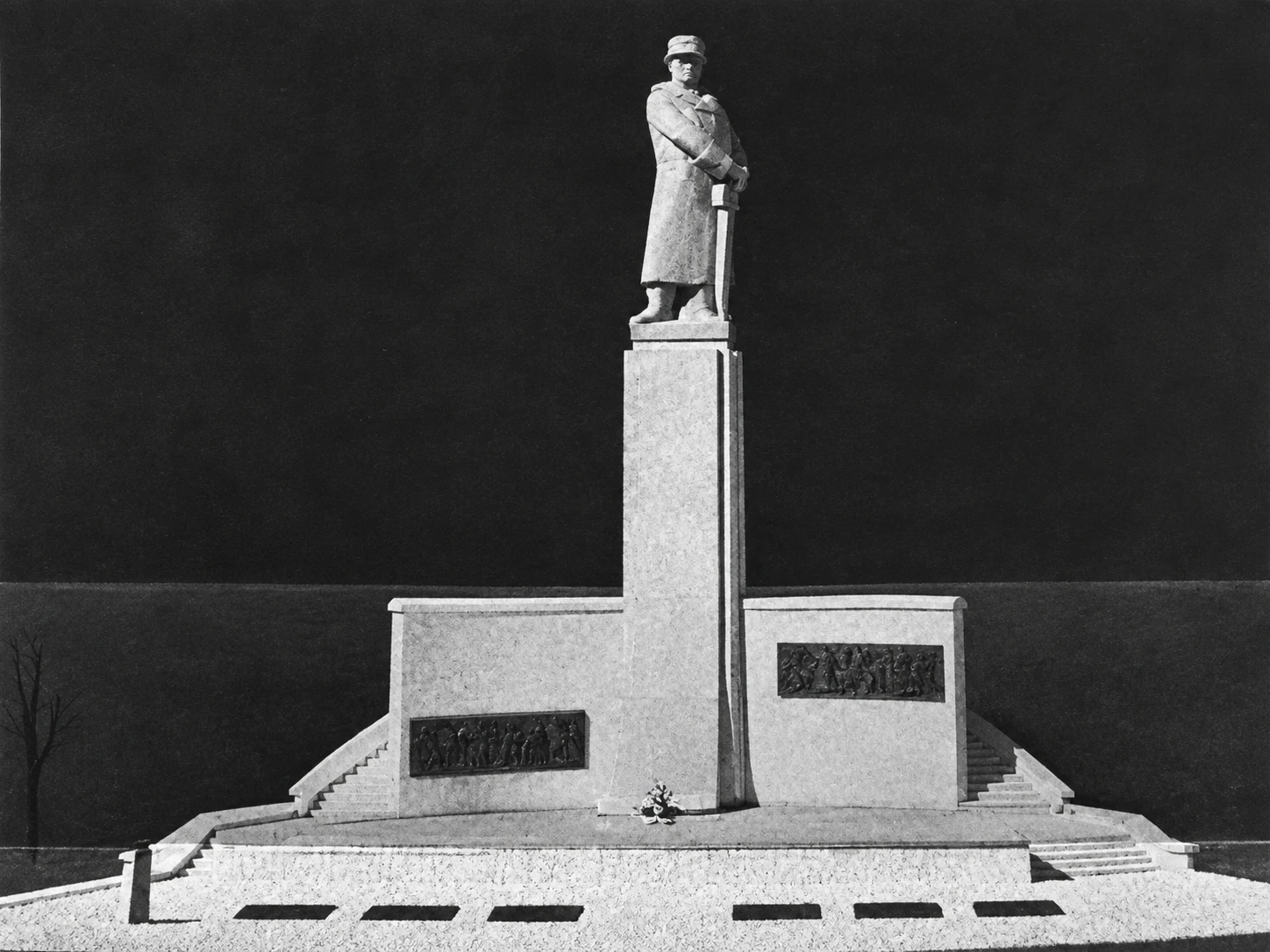
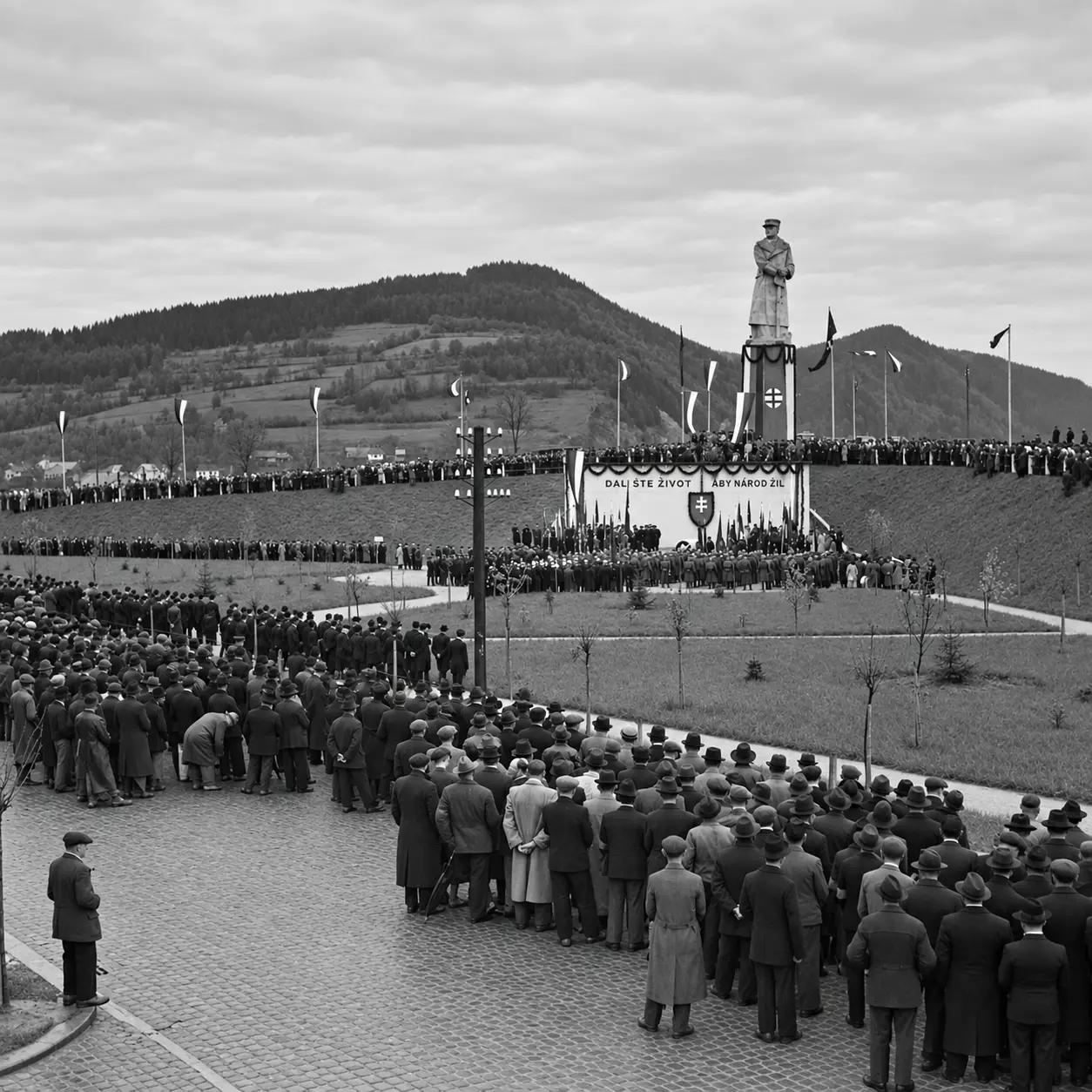
Vojtech Ihriský’s largest work was the monumental statue of Milan Rastislav Štefánik in Považská Bystrica.
The idea for the monument took shape in the first half of the 1930s. Ihriský learned of the plan from his friend Ján Lichner and on 1 May 1934 wrote to district head Dr Štefan Schurmann to offer his cooperation.
In 1935, the Committee for the Construction of the Monument to gen. M. R. Štefánik in Považská Bystrica was formed. Ihriský prepared a model of the future monument and the project gradually passed through professional and administrative approval.
A dispute arose over the commission. Part of the artistic community demanded a public competition and protested against the direct commission to Ihriský. The committee defended its decision and Ihriský remained the project’s author.
For the dimensions, creation and fate of the monument, Ihriský’s own testimony, published in the magazine Život in 1968, is the most valuable source.
“In 1938 I created the statue of M. R. Štefánik in Považská Bystrica.”
He went on to state that the statue was 10 metres high and that, together with its pedestal and embankment, the monument reached an overall height of 26 metres.
Ihriský also recalled that the district lacked sufficient funds and that he therefore waived his fee. He valued his contribution at 450,000 Slovak crowns.
He called the monument his “memorial of love and respect”.
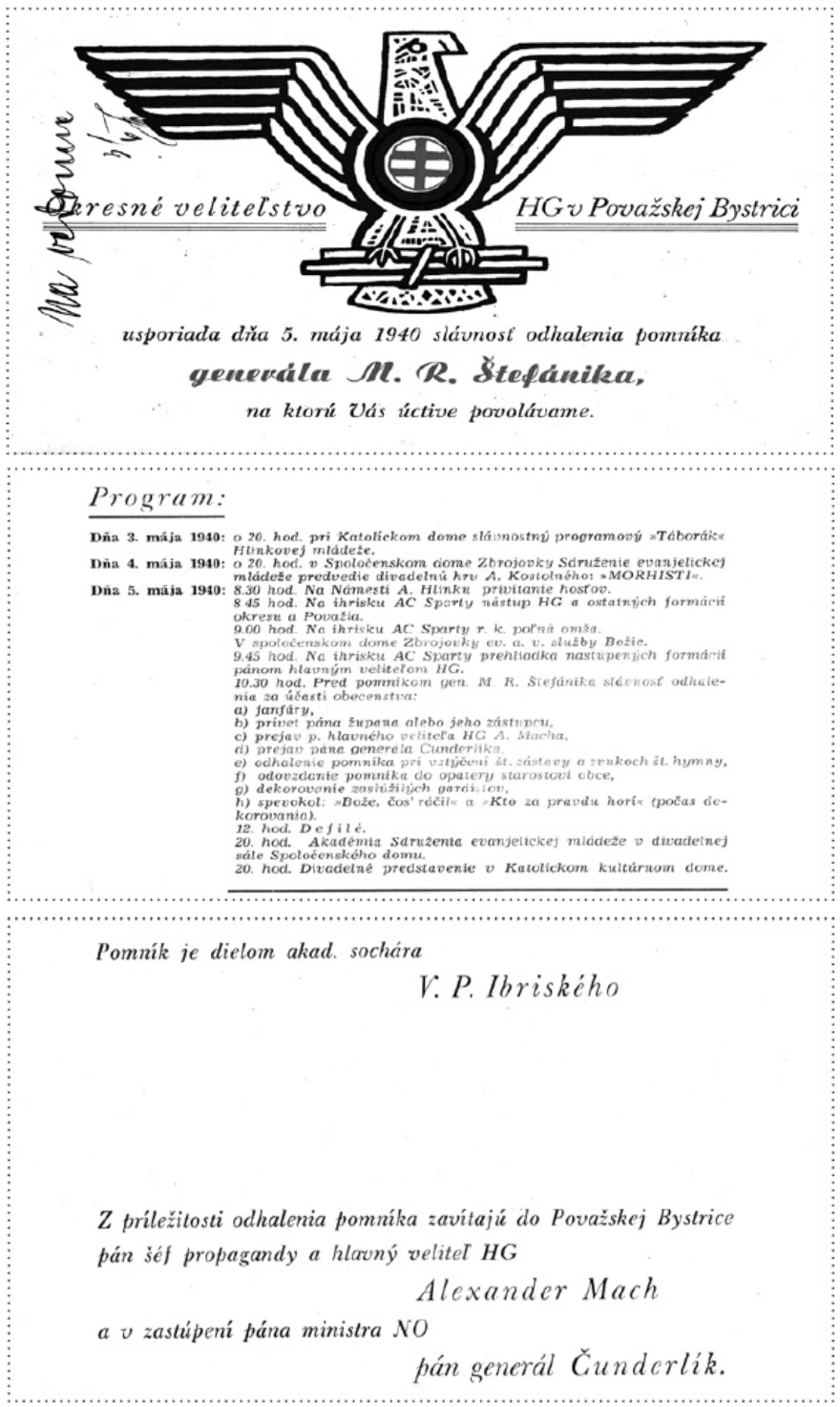
It was ceremonially unveiled on 5 May 1940. A surviving period invitation states directly: “The monument is the work of academic sculptor V. P. Ihriský.”
Destruction of the monument
After February 1948, the political view of Štefánik changed fundamentally.
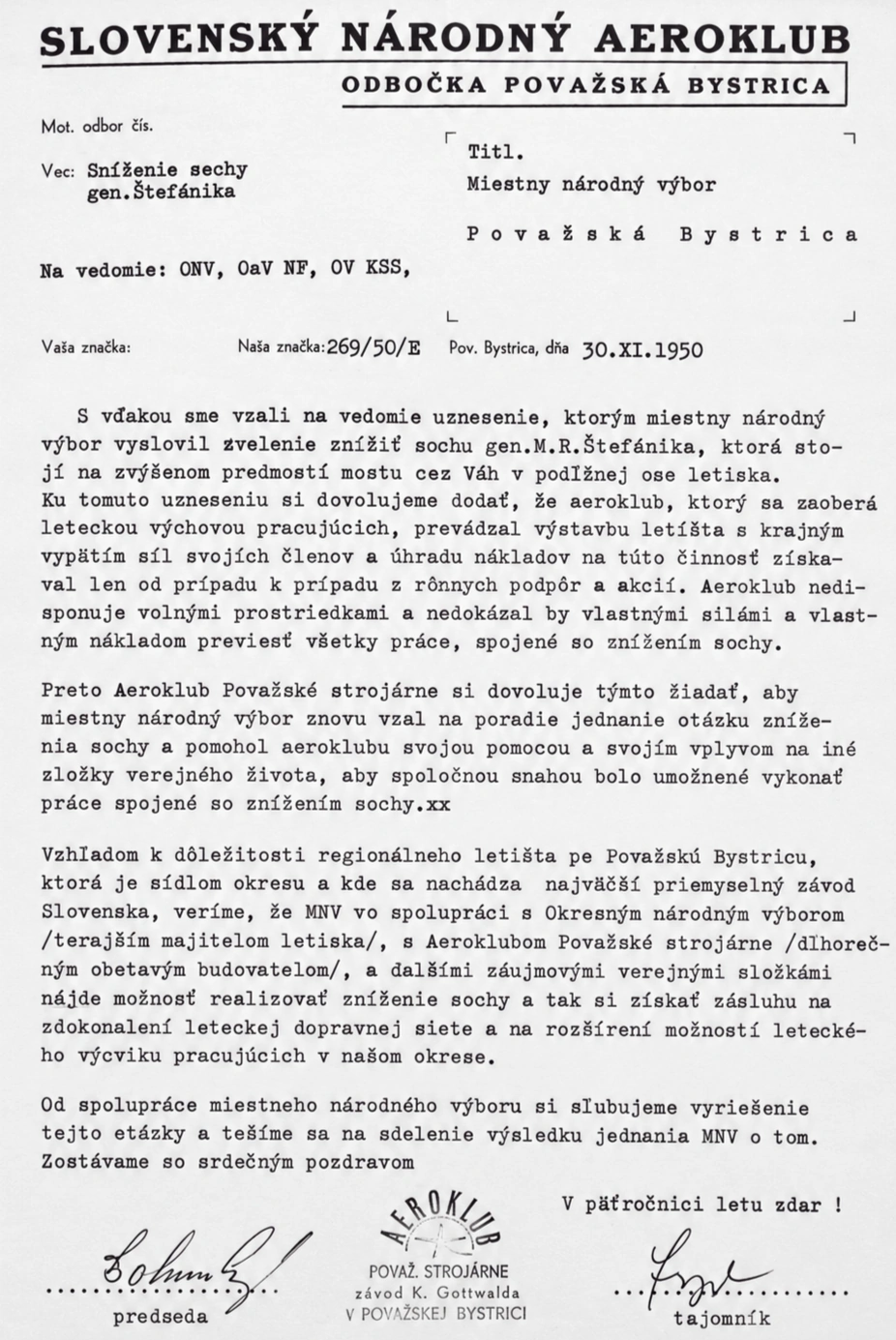
Anna Šujanská’s archival research shows that the removal of the monument was not a random local decision. District and regional authorities, the Commission for Culture and heritage bodies dealt with it. The request from the Považská Bystrica–Orlové Aeroclub is reproduced below.
In 1955, a decision was made to remove the monument.
Ihriský learned that his work was to be destroyed and tried to obtain permission to dismantle, transport and store the statue. All his efforts came to nothing.
The statue was destroyed on 5 December 1955.
Thirteen years later, Ihriský wrote in the magazine Život:
“And this gift of mine, this memorial of love and respect, they blew into the air with dynamite!”
For the sculptor, the destruction of the largest monument in Slovakia that he had created with his own hands must have brought a mixture of sadness, regret, humiliation, anger and a negative perception of the new regime.
Štefánik statue in Malacky
Považská Bystrica was not the only place where Ihriský devoted himself to Štefánik.
He created another statue for Malacky. It was made during the wartime period and ceremonially unveiled on 7 May 1944. This work, too, did not survive the 1950s untouched. In 1953, the statue was removed and its parts buried. They were rediscovered only in 2002.
After 1948
Ihriský continued his artistic work after the political coup of 1948.
On the site where his Štefánik monument had stood in Považská Bystrica, an SNP Memorial was later erected, to which Ihriský again contributed.
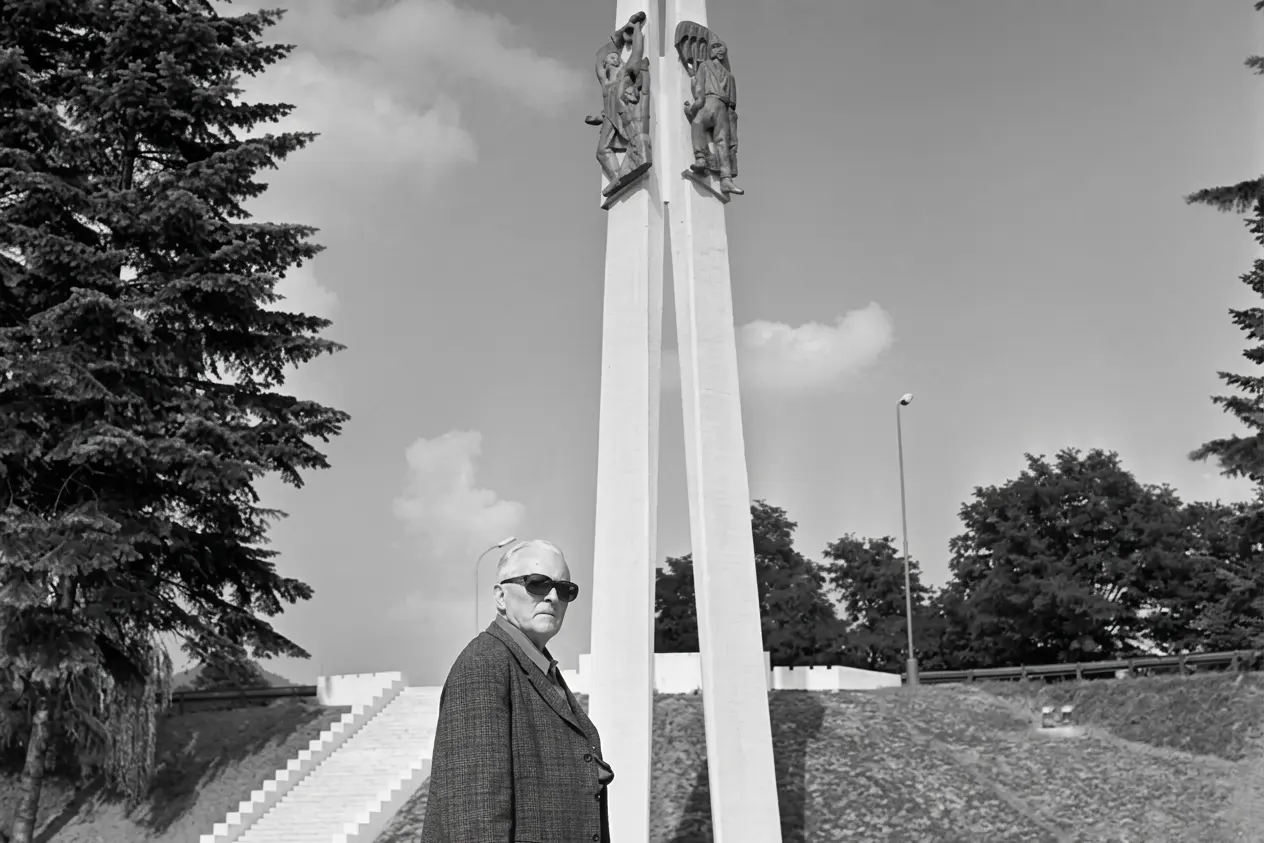
There is bitter irony in this: the communist regime blew up Ihriský’s Štefánik statue with dynamite, and seventeen years later one of the largest SNP memorials was unveiled on the same site. Ihriský was also a co-author of the SNP Memorial. It was said that the Štefánik statue in Považská Bystrica had been the largest monument not only in Slovakia, but also in Central Europe.
Inventor and sportsman
Ihriský’s interests were unusually broad.
He practised sport shooting and, according to biographical materials, was nominated for the Olympic Games planned for 1940, which did not take place because of the war.
He also pursued technical inventions. He worked on a pocket typewriter and on a technical solution for improved lubrication of combustion engines. His technical ideas were protected by patents.
When sport flying, altitude flights, sculpture and medal-making are added to this, a rather unusual biography emerges.
Main sources
1. Letectví, vol. XI, no. 2, February 1931, p. 61 – annual report of the Slovak Aeroclub of M. R. Štefánik.
2. Anna Šujanská: Spomienka na sochu M. R. Štefánika dodnes pretrváva, Proceedings of the Regional Museum in Považská Bystrica, vol. 1, 2010.
3. Vojtech Ihriský: Ešte raz Štefánik, Život, no. 20/1968, p. 22.
4. TASR / Vtedy.sk – biographical material on Vojtech Ihriský.
5. Military History Institute – material on Ihriský’s pilot training at Vajnory.
6. Town of Malacky – materials on the Štefánik statue by Vojtech Ihriský.
7. Slovak National Gallery / Web umenia – works by Vojtech Ihriský in public collections.