
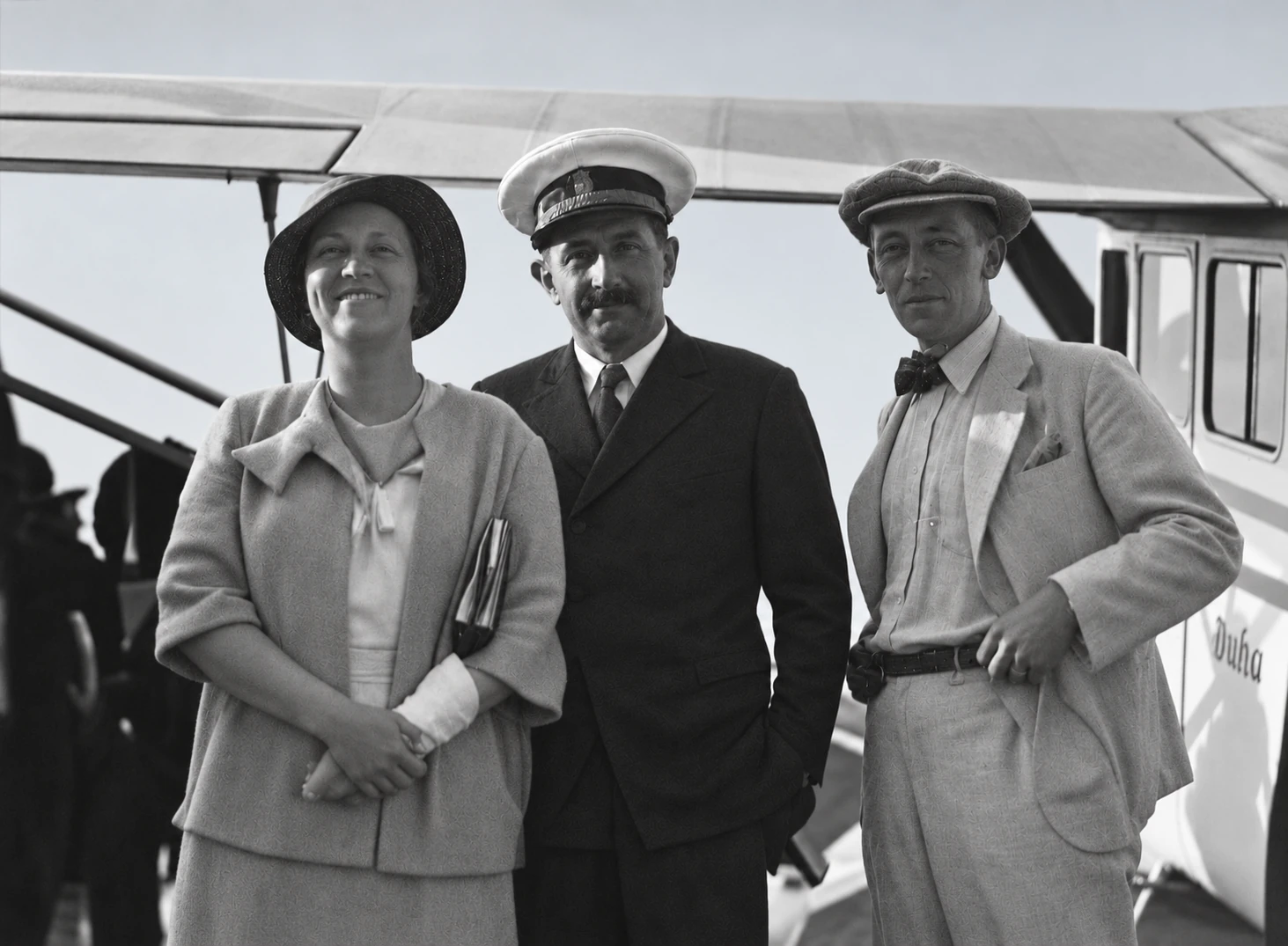
JUDr. Pavel Fábry
Lawyer and industrialist.
Pavel Svetozár Fábry was born on 14 January 1891 in Turčiansky Svätý Martin into a family of industrialists and entrepreneurs. He first received a commercial education, then studied law, earned a doctorate, passed the bar examinations and also completed the examinations required for judicial service.[1]
In his curriculum vitae, he stated that his ancestor Matheus Fabry came to the then Kingdom of Hungary in 1603 from the Geneva area, specifically Satigny – Moulin Fabry. He settled in Nemecká Ľupča, now Partizánska Ľupča, where he established a tannery. According to Fábry, the family’s entrepreneurial tradition continued for generations.[1]
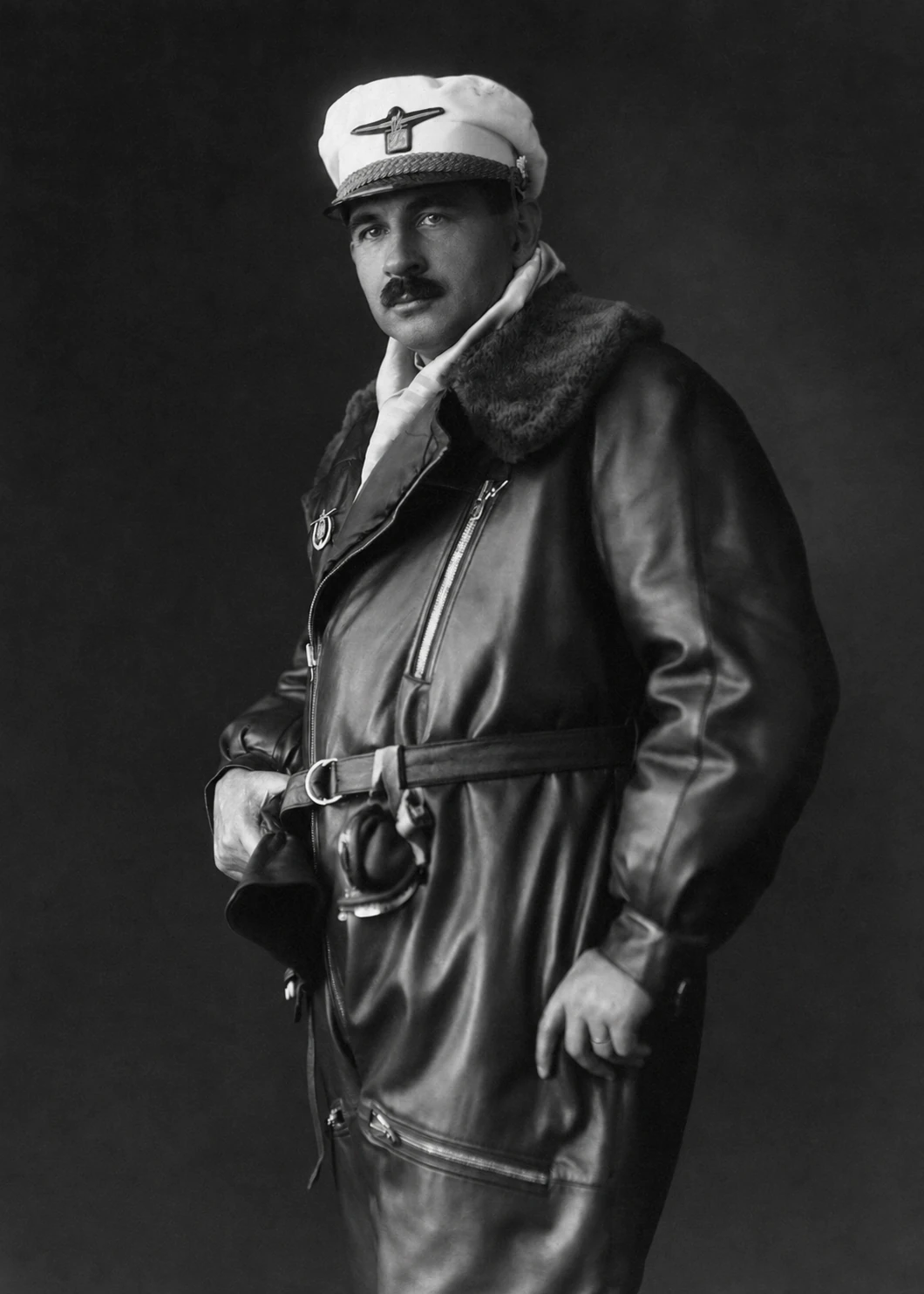
In the service of Czechoslovakia
During the First World War, Fábry served as an artillery officer and also worked in the army’s legal service. As Austria-Hungary disintegrated, he became the first secretary of the provisional national council that prepared the transfer of Slovakia’s administration to the new Czechoslovak state.[1]
After Czechoslovakia was established, he was entrusted with a senior administrative role in eastern Slovakia. During the invasion by the forces of Béla Kun’s Hungarian Soviet Republic in 1919, he served as commissioner for the defence of eastern Slovakia. He coordinated the civilian administration with the Czechoslovak army and the Allied military command of General Eugène Mittelhauser.[2]
Once the situation had stabilised, he left state service and returned to legal practice. He specialised in commercial and corporate law. He took part in establishing and developing industrial enterprises, served in organisations representing producers of sugar, spirits, malt and beer, and represented clients before the International Arbitral Tribunal in Paris.[1]
Pavel Fábry was among the most successful Slovak lawyers of the interwar period and has been described as one of the wealthiest Slovaks of his time. His standing rested on more than his legal practice. He was an adviser to Milan Hodža, General Inspector of the Evangelical Church, and inherited the Martin brewery and shares in several companies from his father.
Legal work connected with land reform after 1918 formed an important part of his practice. The reform limited large estates: the state took over part of their land and subsequently allocated it to smaller landowners, municipalities or new farmers. This process raised complex questions of ownership, valuation, compensation, subdivision and property transfers. As a lawyer, Fábry handled matters involving extensive tracts of land and substantial assets.
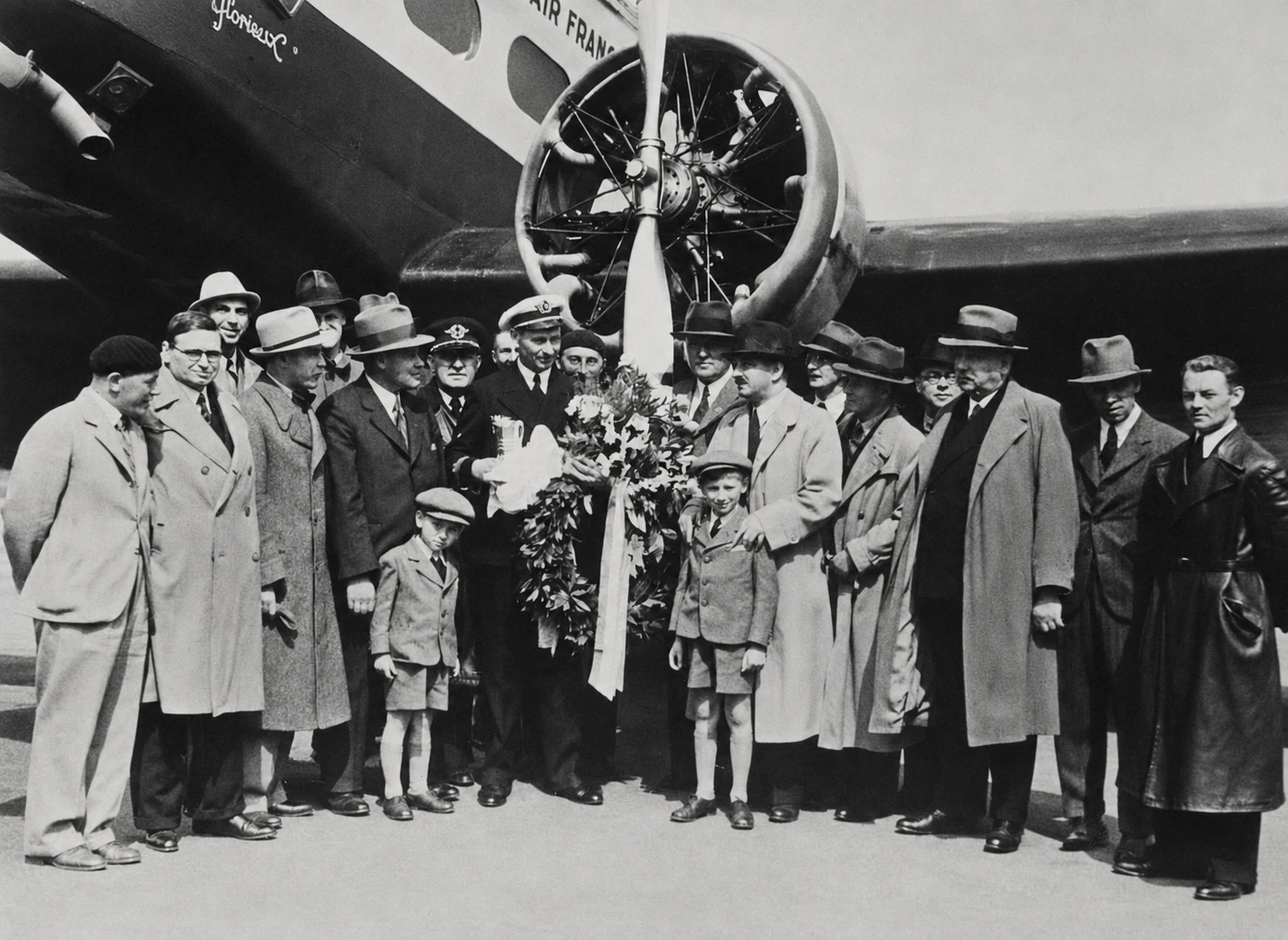
Chairman of the Slovak Aeroclub of M. R. Štefánik
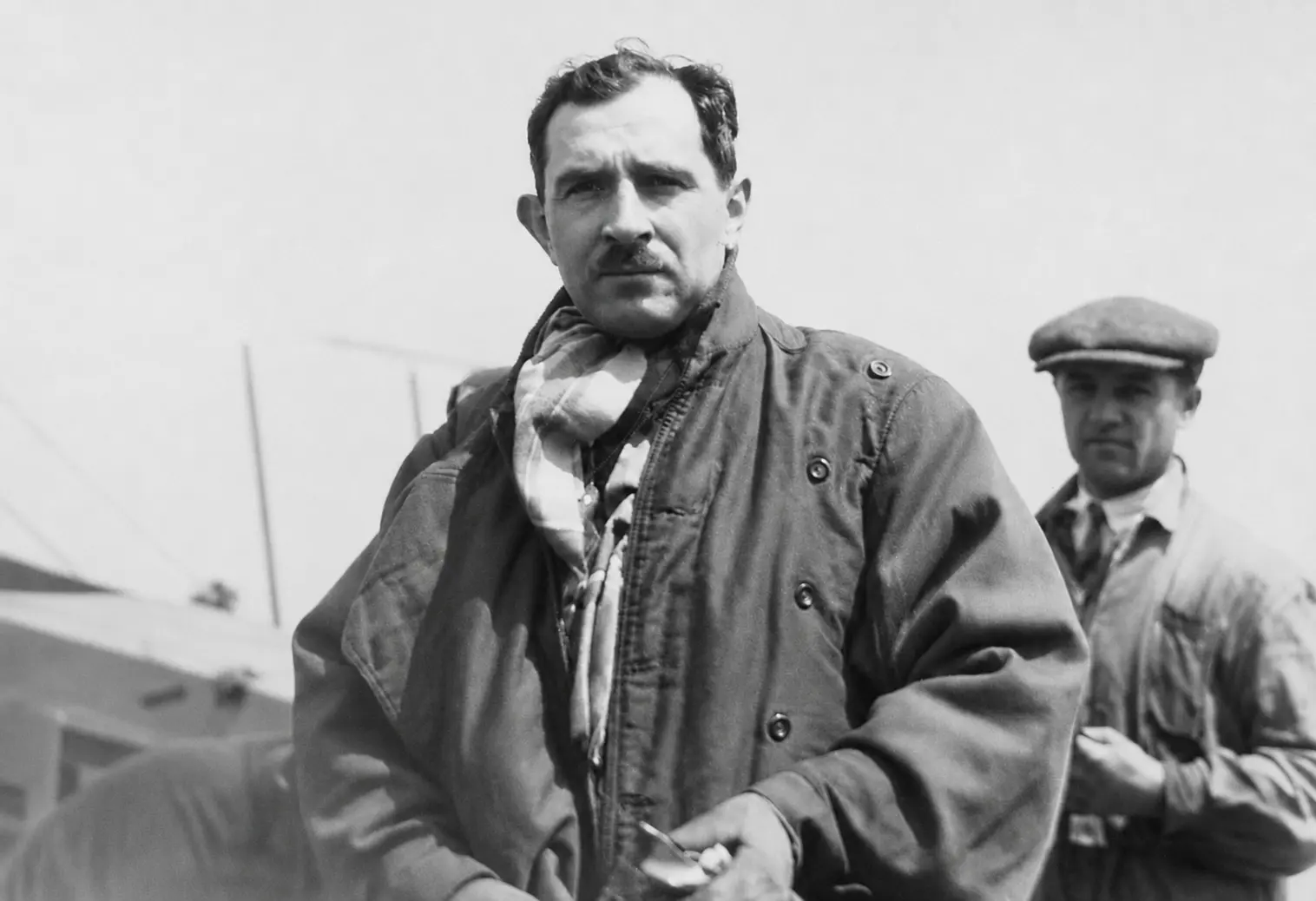
During the interwar period, Fábry was active in sport aviation. The annual report of the Slovak Aeroclub of M. R. Štefánik for 1930, presented at the general meeting on 2 February 1931, names him as chairman of the club.[5]
In this role, he was among the leading representatives of the organisation that provided sport flying and pilot training at Vajnory airfield. The annual report records him chairing the club’s general meeting.[5]
Fábry was also the registered owner of a Zlín Z-XII aircraft bearing the registration OK-TBM and serial number 155. The register records the date 18 June 1937. The aircraft later passed to the Slovak Air Force and was also used by the meteorological service.
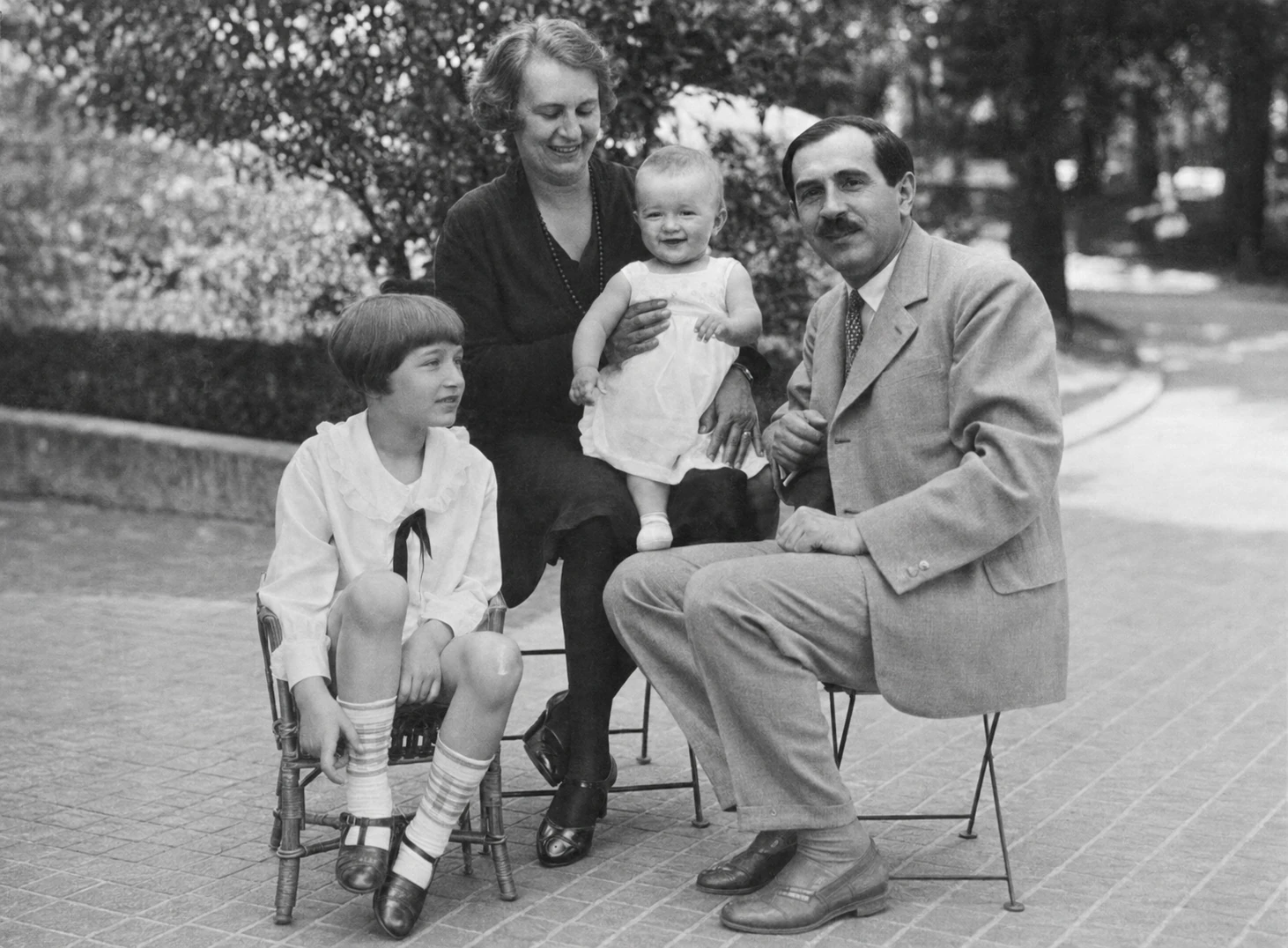
Oľga Fábryová
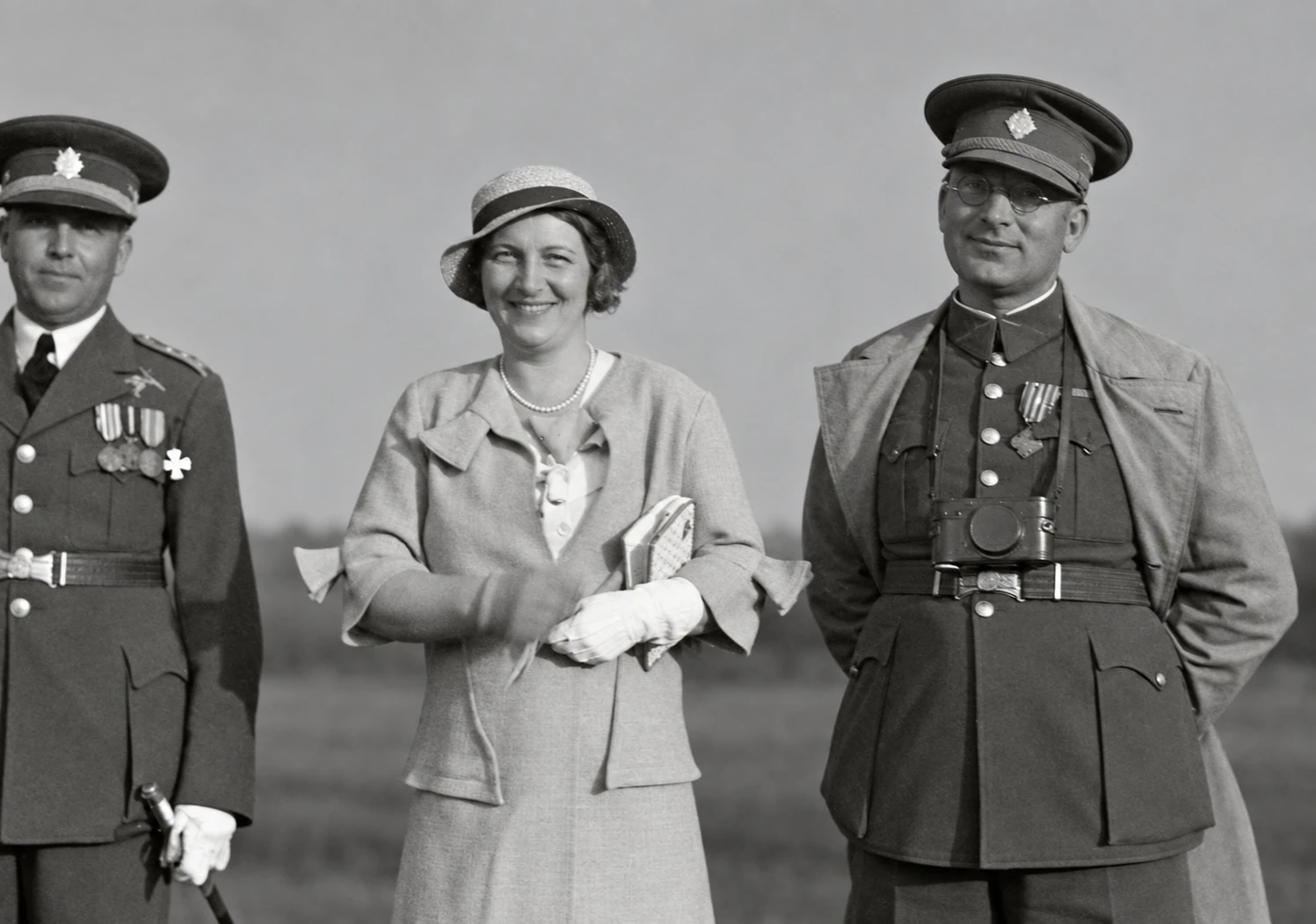
Oľga Fábryová, née Pálková, came from a prominent Lutheran business community in Liptovský Mikuláš. The Pálka family belonged to a milieu that brought together industry, banking, public life, education and Slovak cultural activities. Through family and social ties, they were also connected with other prominent local families, including the Stodolas (the family of scientist and professor Aurel Stodola) and the Hodžas (the family of Milan Hodža, later Prime Minister of Czechoslovakia).
Oľga received an exceptional education at a higher institute for girls on the Graben in Vienna. She grew up in an environment that provided both financial security and a broad social and cultural outlook. After her marriage to Pavel Fábry, this background naturally connected with his legal, political and aviation activities in Bratislava.
Church, persecution and exile
He also served as a congregational inspector and a member of the executive body of the Evangelical Church in Czechoslovakia. In 1948, he was designated to attend the first assembly of the World Council of Churches in Amsterdam.[1]
After the creation of the Slovak State, he was among the first opponents of the regime to be interned at Ilava. The list of the first prisoners brought there on 30 March 1939 includes Pavel Fábry.[3]
After the war, he was briefly detained by the Soviet army at the instigation of Czechoslovak communists. Following the communist coup in February 1948, he was stripped of his positions, deprived of his property and imprisoned again. He escaped from the prison hospital and reached Switzerland in January 1949. The family archive gives a dramatic account of his escape disguised as a nun and hidden in a beer barrel.[1]
He lived in exile in Geneva. He continued his legal and business work, assisted Czechoslovak political refugees and represented several exiles pursuing German compensation claims for Nazi persecution. His clients and close associates included Army General Lev Prchala.[1][6]
Pavel Svetozár Fábry died of a heart attack in Berlin on 19 December 1960 at the age of 69. His unfinished cases for exile clients were subsequently taken over by his son Vladimír Fábry.[6]
Family and entrepreneurial tradition
His father, Jozef Fábry, was a merchant and industrialist, vice-chairman of the chamber of commerce and a member of the boards of several commercial and financial enterprises. The family generally did not own these businesses outright; its members participated as co-founders, shareholders or board members.[1]
| Enterprise | |
|---|---|
| Tannery in Nemecká Ľupča | According to the family curriculum vitae, Matheus Fabry established it around 1603. |
| Jozef Fábry’s wholesale business in Martin | Founded in 1878, it also traded with Russia. |
| First Turiec-region bryndza dairy | Jozef Fábry managed it alongside his business and exhibited its products between 1883 and 1902. |
| Tatra banka | Jozef Fábry was one of its co-founders in 1884. |
| Martin brewery | Jozef Fábry was a co-founder and member of its management in 1893; the family held an ownership stake. |
| Bookselling and publishing association | Jozef Fábry was a co-founder in 1887 and served as an officer until 1905. |
| Other enterprises in Martin | Sources associate him with the boards of a furniture company, a cellulose mill and a savings institution, but not with their sole ownership. |
Fábry Villa in Bratislava
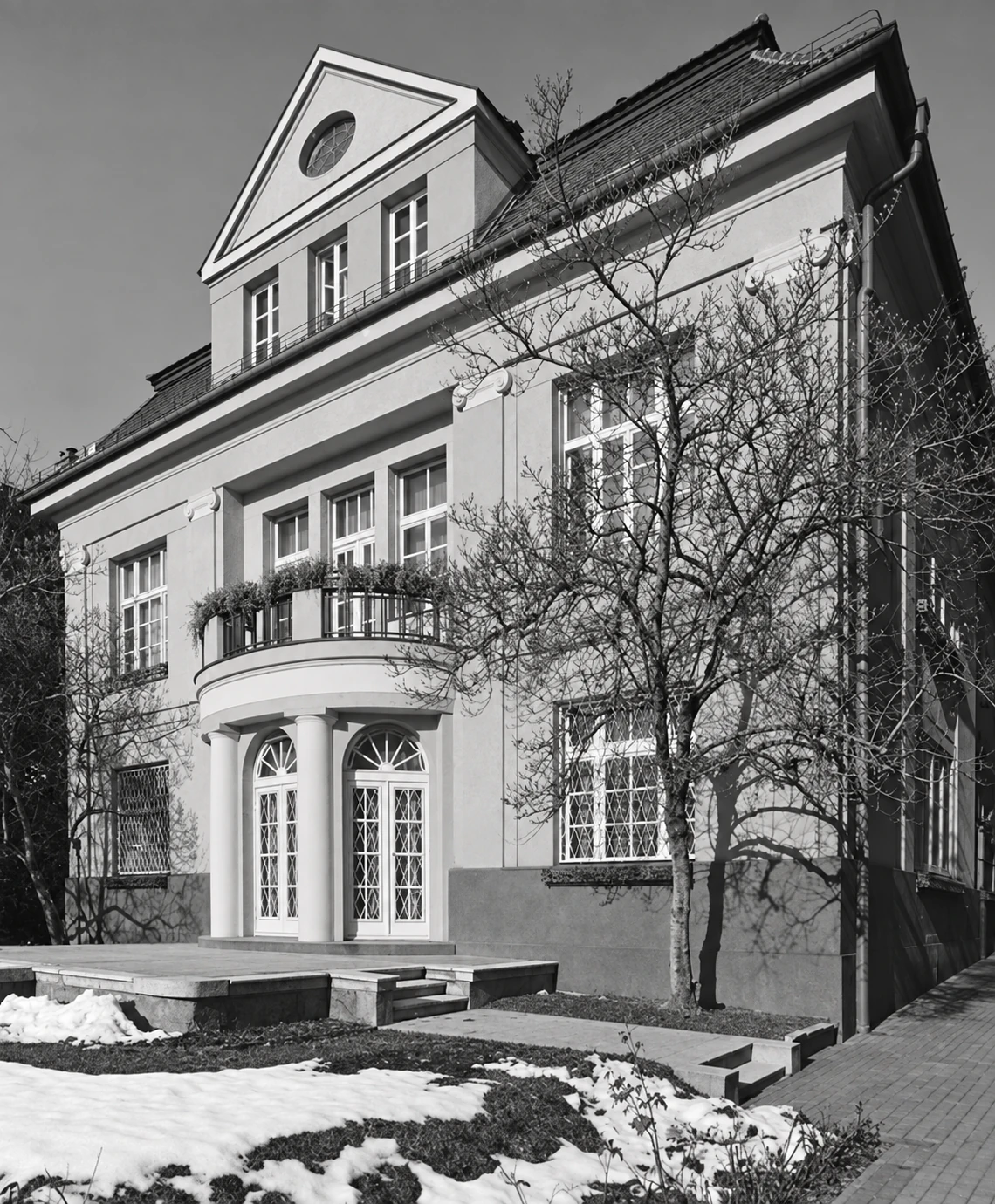
The Slovak National Gallery holds a period image of it from 1915 in the archive of architect Milan Michal Harminc. Josef Vaněk designed the garden, which included a children’s playground and a fountain. The building stands on Godrova Street in Bratislava.[4]
After the Second World War, the villa was nationalised. From 1945 it housed the Consulate General of the USSR, and in 1948 the villa and grounds were transferred to the Soviet Union, which established its embassy there. The embassy remains there today, despite the family’s request for restitution of the property.
Sources
[1] Fabry History – Pavel Fábry family archive: document reproductions and family photographs.
[2] Peter Kovaľ: Pavel Fábry – nový šarišský župan, Dejiny 1/2019, University of Prešov.
[3] Ilava state prison – record referring to Jozef Lettrich, History of Modern Slovakia, Fabry History.
[4] Milan Michal Harminc – Fábry Villa in Bratislava, 1915, Slovak National Gallery / Web umenia.
[5] Letectví, vol. XI, no. 2, February 1931, p. 61. Annual report of the Slovak Aeroclub of M. R. Štefánik.
[6] Fabry History: Letters of General Lev Prchala, 1960–1961.