
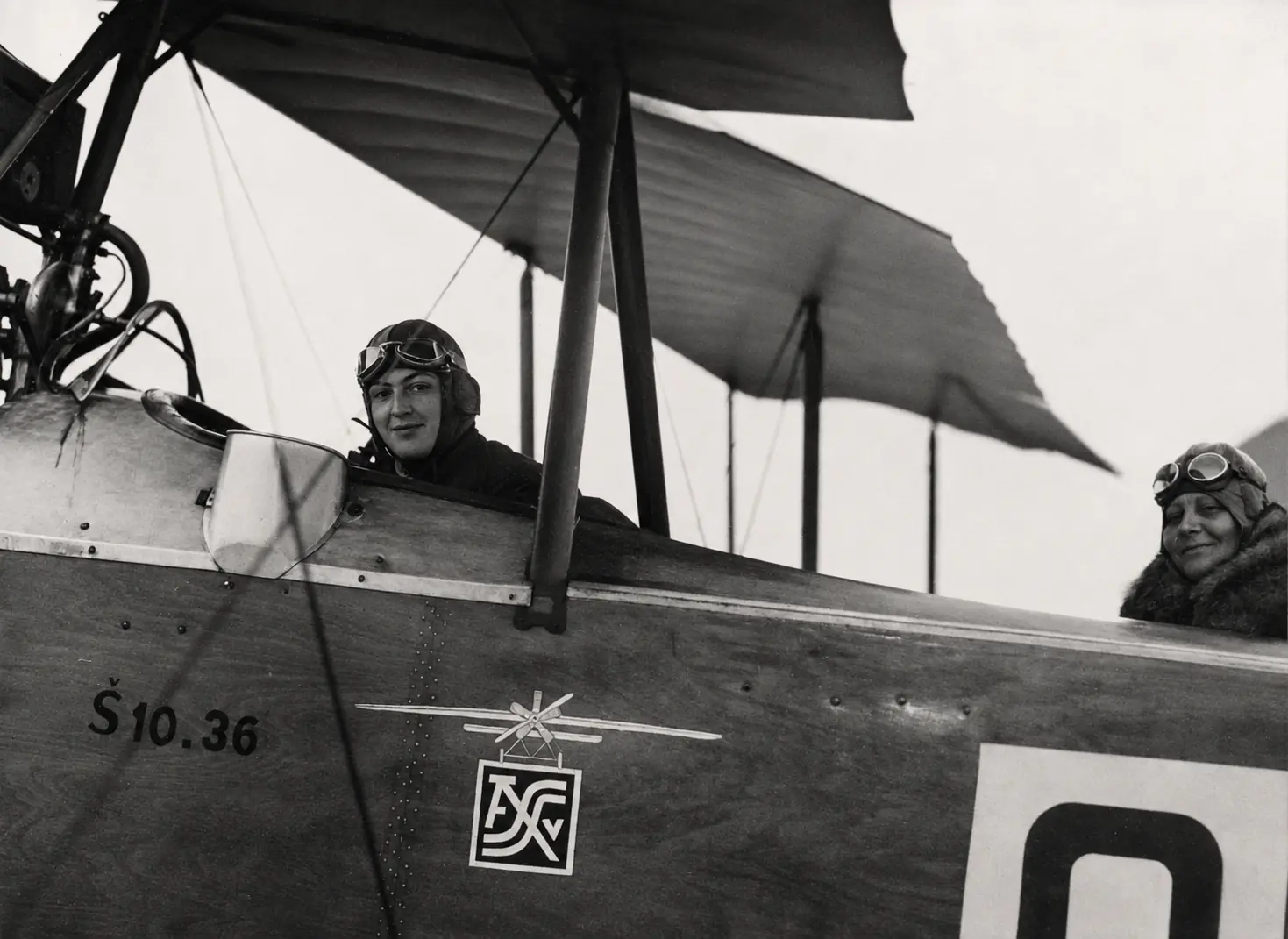
Ľudmila Šapošniková
She was the first woman in Slovakia to receive a pilot’s diploma and one of the first pilots trained by the Slovenský Aeroklub M. R. Štefánika in Bratislava.
From Russia to Nitra
Ľudmila Trejbalová was born in Saratov on 19 February 1906. Her father, Karel Trejbal, was a Czech merchant originally from Prague; her mother, Beata Schmidtová, was a Russian German. Russian was Ľudmila’s first language. She learnt Slovak only later and retained her Russian accent throughout her life.
After the establishment of Czechoslovakia, the Trejbal family moved from Russia to the newly formed republic. The precise reason for their departure from Russia is unknown.
The family originally planned to settle in Prague, but Karel Trejbal’s plans there did not work out. He therefore considered moving on to Romania. Information he received while travelling by train to Nové Zámky ultimately brought the family to Nitra.
Karel Trejbal bought a small ironmongery there. The family lived in the Číneš district and Ľudmila attended a grammar school in Nitra. In the nineteenth and first half of the twentieth century, the names “Na Číneši” and Číneš referred to the area around today’s Fraňa Mojtu Street.
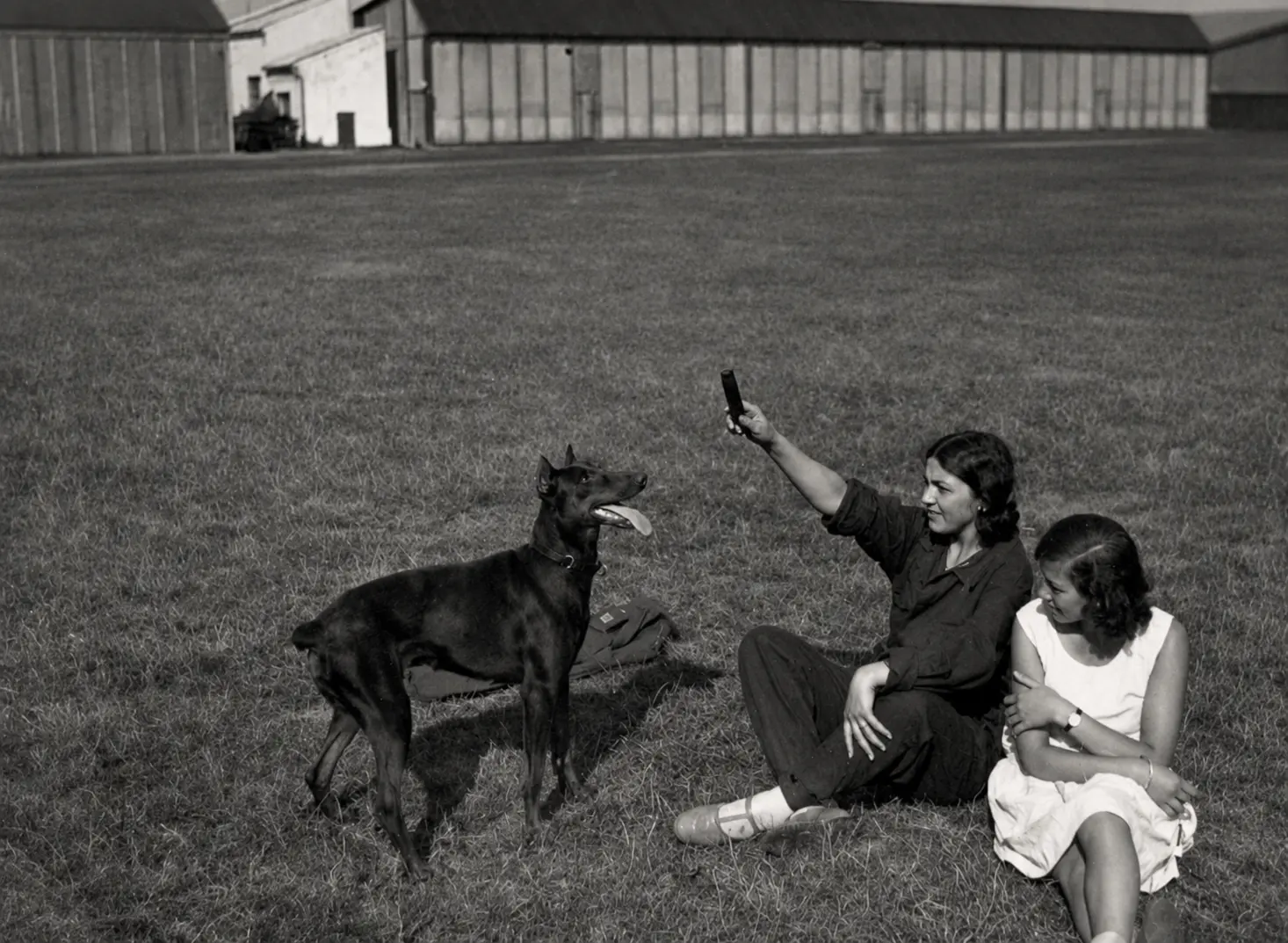
A meadow stretched behind the Trejbal family home, with Nitra’s military airfield nearby. Ľudmila therefore grew up practically within sight of aircraft and wanted to fly from the age of fifteen.
At Nitra airfield she met the military pilot Nikolaj Šapošnikov.
SAK’s first aircraft
SAK’s first two aircraft were the Letov Š.10.50 / L-BASE and the Letov Š.10.36 / OK-ASG.
Their origins lay in Hansa-Brandenburg designs used by the Austro-Hungarian air service during the First World War. After the establishment of Czechoslovakia, these proven designs formed the basis for the first Czechoslovak military aircraft.
Aero developed the Aero Ae-01, later designated A-1, from the Hansa-Brandenburg B.I. The Letov Š.10, built at the Main Aviation Workshops and later by Letov, was also based on the Hansa-Brandenburg B.I.
The Czechoslovak Aero A.14, A.15 and A.26 types were in turn derived from the Hansa-Brandenburg C.I. In contemporary aviation slang, “small Branďák” referred to the Hansa-Brandenburg B.I and types derived from it, while “large Branďák” referred to the Hansa-Brandenburg C.I and its derivatives. These included the Aero A.14, which was operated by ČSA.
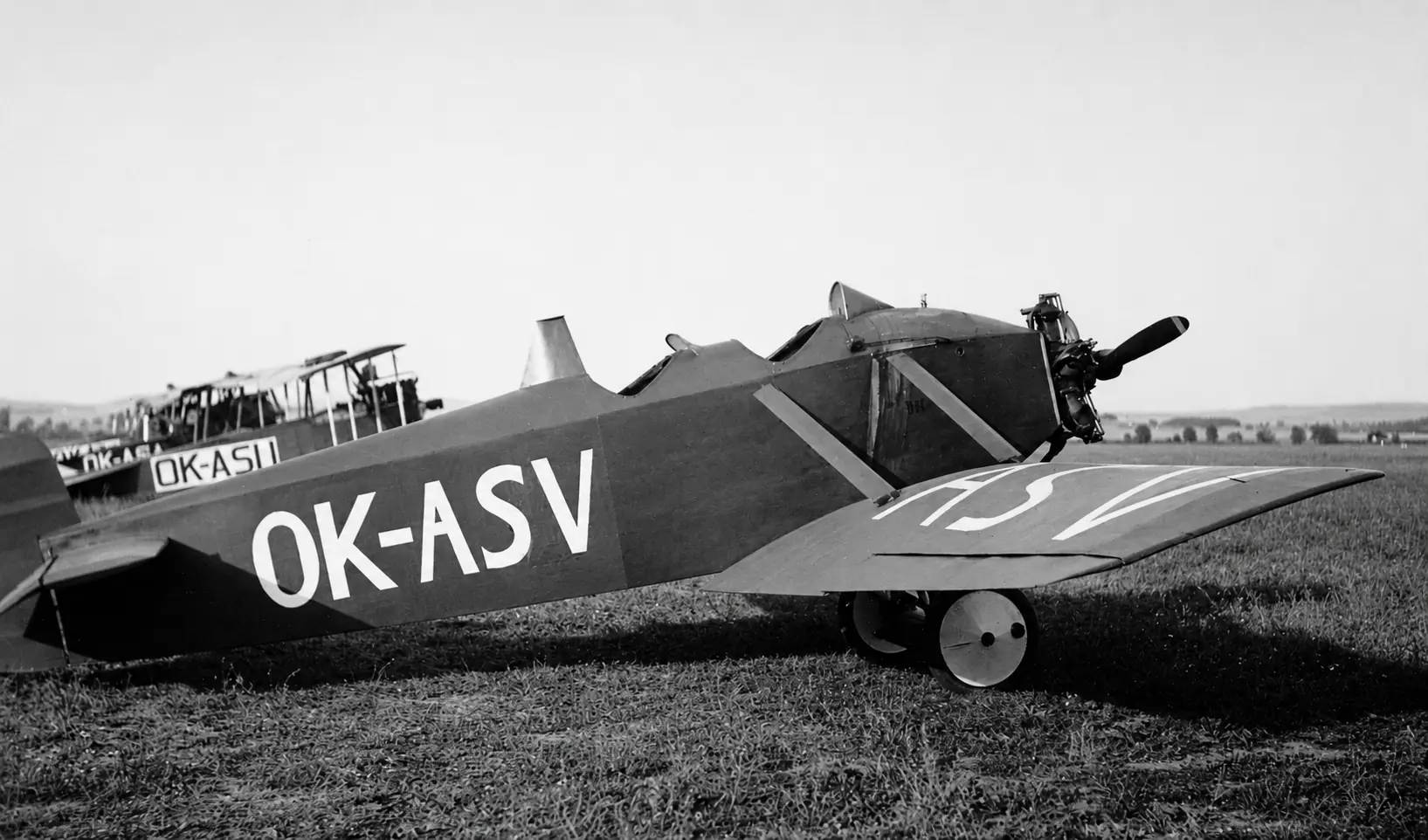
Ľudmila’s logbooks record the Letov Š.10.50 / L-BASE, Letov Š.10.36 / OK-ASG, Aero A.26.10, Aero A.14.5 and Avia BH.11.7 / OK-ASV.
Basic training and Flight Logbook No. 1420
SAK began practical pilot training with six students. Four completed it successfully: the academic sculptor Vojtech Ihriský, capt. Vladimír Kočmerževský, rtm. Coufal and Ľudmila Šapošniková.
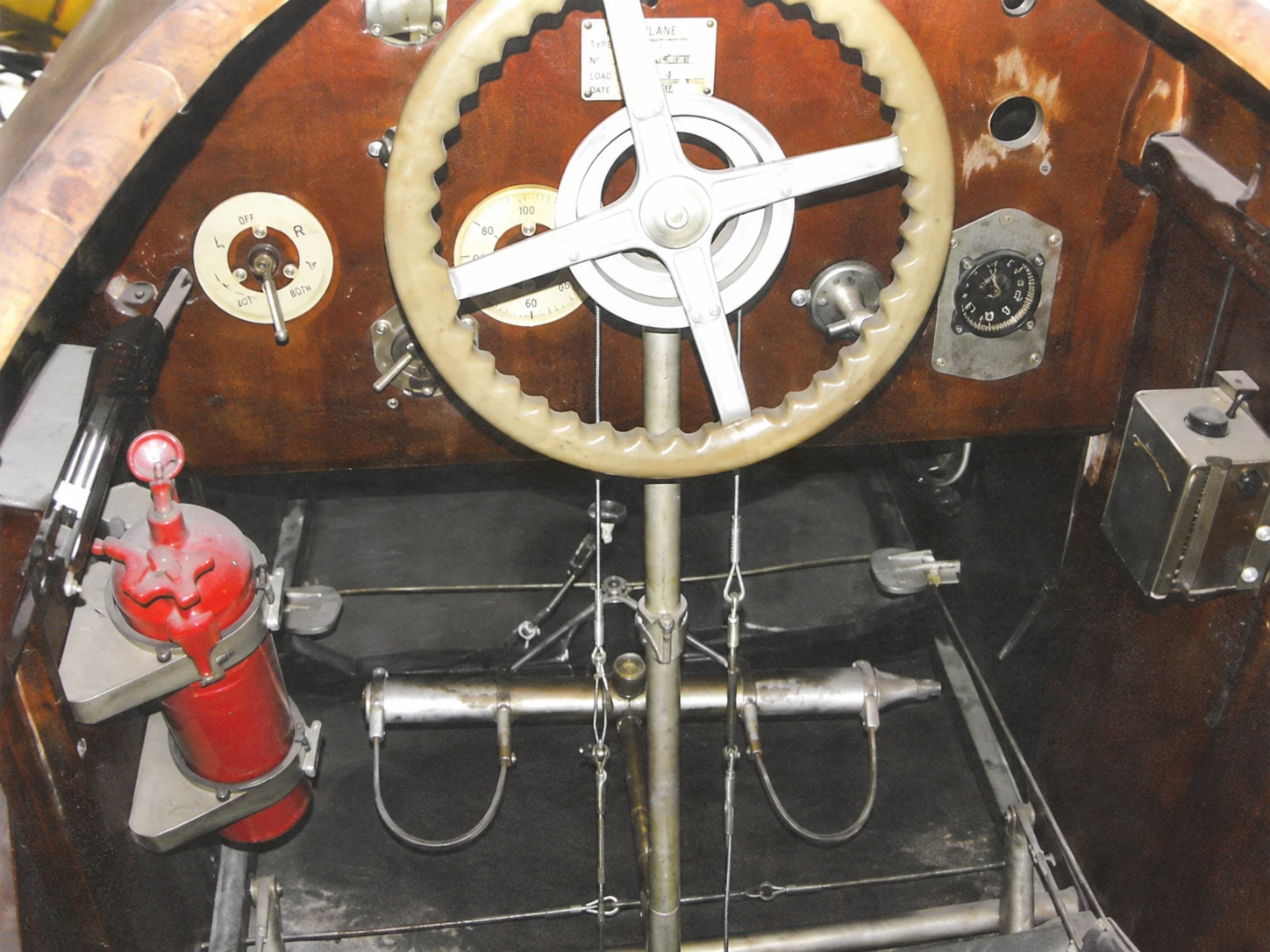
Ľudmila’s basic training is recorded in Flight Logbook No. 1420. Its importance lies in its flight-by-flight record of every stage in her training. It follows familiarisation flights with an instructor, instruction in turns, circuits, take-offs and landings, her first solo flights, and altitude flights documented by barograph records.
The instructors’ notes have also been preserved alongside individual flights. They recorded, in brief, what went well, what needed to be corrected and which mistakes Ľudmila made in flight or during landing.
The logbook names the instructors — LP3 military pilots including Nikolaj Šapošnikov, Otto Šubrt and Koch, and later Karel Šeda. During President T. G. Masaryk’s stays in Slovakia, Otto Šubrt also served as his pilot-courier.
One of the four graduates of the first course was the artillery officer capt. Vladimír Kočmerževský. On 10 April 1942 he died on a service flight near Drahovce, south of Piešťany, when a two-seat Klemm 35 (Werknummer 2044) crashed, also killing lt. Pilot Ján Chupek.
During basic training, Ľudmila logged a total of 46 hours 28 minutes and 407 take-offs. The logbook gives 22 August 1930 as the date of her theoretical examination, 25 August 1930 for the practical examination, and 8 September 1930 for the award of pilot’s diploma and identity card No. 112. Some dates do not align, however, because I cannot precisely identify the date of the pilot examination; the logbook contains only a brief note.
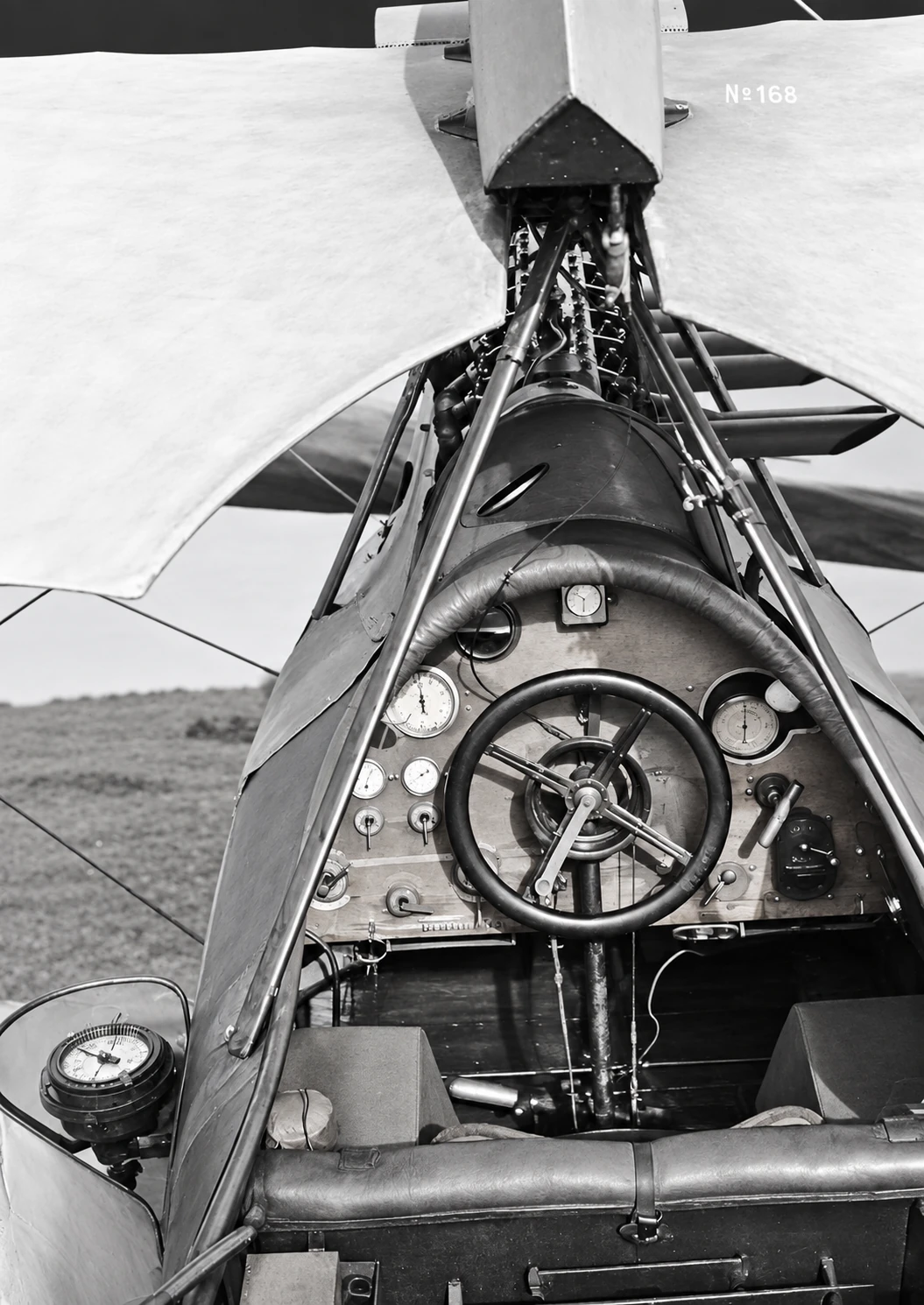
Flight Logbook No. 1420 continues beyond the completion of basic training and records her subsequent flying in 1930 and 1931. It ends with Flight No. 692 on 27 December 1931.
The summary of the first logbook gives a post-training total of 1 hour 46 minutes in 1930 and 37 hours 24 minutes in 1931. Flight Logbook No. 1420 closes with an overall total of 85 hours 38 minutes.
Vrabčiak
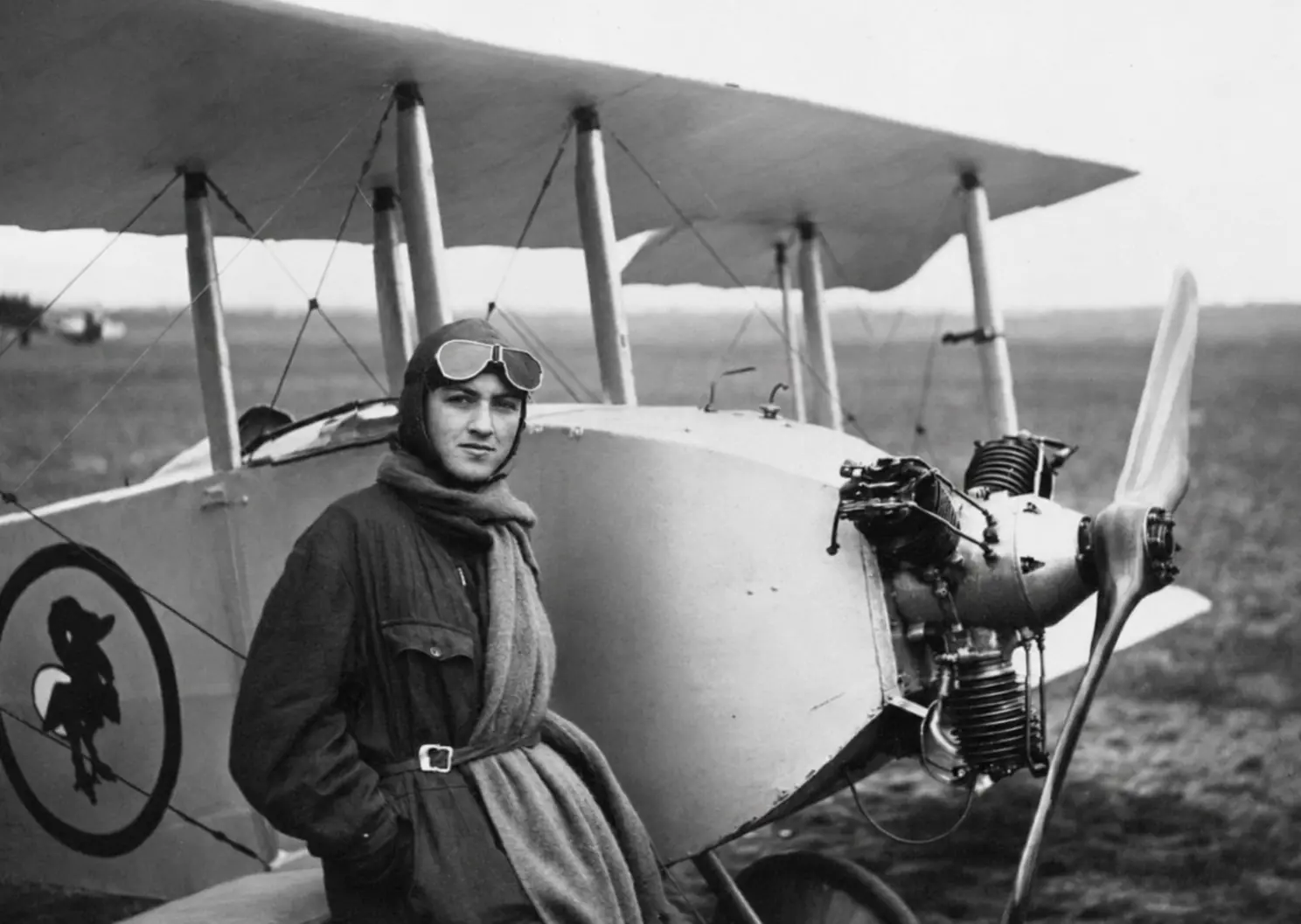
The Vrabčiak occupies a special place in the story of Ľudmila and Nikolaj Šapošnikov. It was a small, single-seat aircraft of Nikolaj Šapošnikov’s own design.
It was a single-seat biplane with a wingspan of approximately 5.5 metres and a weight of around 150 kilograms, powered by a Salmson engine producing approximately 10 horsepower. It is likely that this engine also came from the Dewoitine D.7 used by the 3rd Air Regiment.
Šapošnikov was already testing the Vrabčiak in 1928. On 18 October 1928 he flew it on the route Nitra–Piešťany–Bratislava–Nitra.
In surviving photographs, the Vrabčiak appears in two distinct forms. In some images it has a conventionally designed fuselage; in others, a conspicuous pod-shaped fuselage. A photograph of the crashed Vrabčiak has also survived.
Other sources tell us that Ľudmila also flew the Vrabčiak. Remarkably, however, the aircraft is not mentioned once in either of her two surviving pilot logbooks. Information about her flights in this aircraft therefore comes from other sources, not from her logbooks.
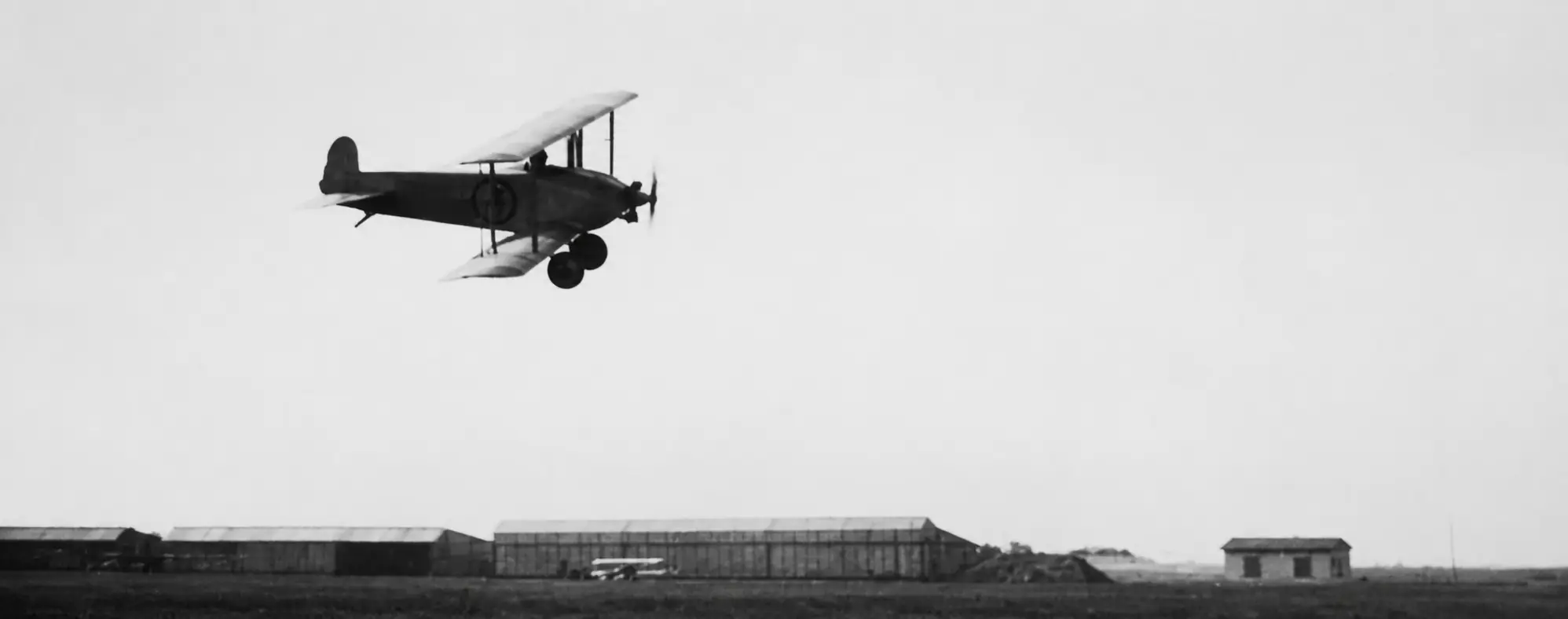
The second pilot logbook, No. 1381, covers the years 1932 and 1933 and contains 63 flight entries.
In 1932, Ľudmila made 46 flights totalling 19 hours 33 minutes. Three days in November stand out. On 2 November she flew over Bratislava and its surroundings for 1 hour 30 minutes; on 4 November for 2 hours 10 minutes; and on 6 November for 2 hours 15 minutes — a total of 5 hours 55 minutes over three days.
For the flights in the Aero A.26, mechanic Červinka is listed as a passenger, accompanied by the notes “motor jede dobře” (“the engine is running well”) and “zalétávání mašiny” (“test-flying the aircraft”). This was no longer basic training, but routine operation and aircraft test flying.
Only another 73 minutes were added to the logbook in 1933. The second logbook therefore records a total of 20 hours 46 minutes. Adding the totals entered in both logbooks gives 106 hours 24 minutes of flight time.
The final flights of 1933 list “passengers” including Dr Jára Kolačný, mechanic Šándera and mechanic Červinka. The entry “Dr Jára Kolačný” very probably refers to Dr Jaroslav Kolačný, who graduated in 1932.
The logbook ends without an annual closing entry and without a single note explaining why Ľudmila stopped flying.
In September 1933, Nikolaj Šapošnikov was transferred to LP 2 in Olomouc.
Olomouc and the end of the marriage
Ľudmila and Nikolaj Šapošnikov’s marriage did not last. According to family recollections, Nikolaj developed increasingly serious problems with alcohol.
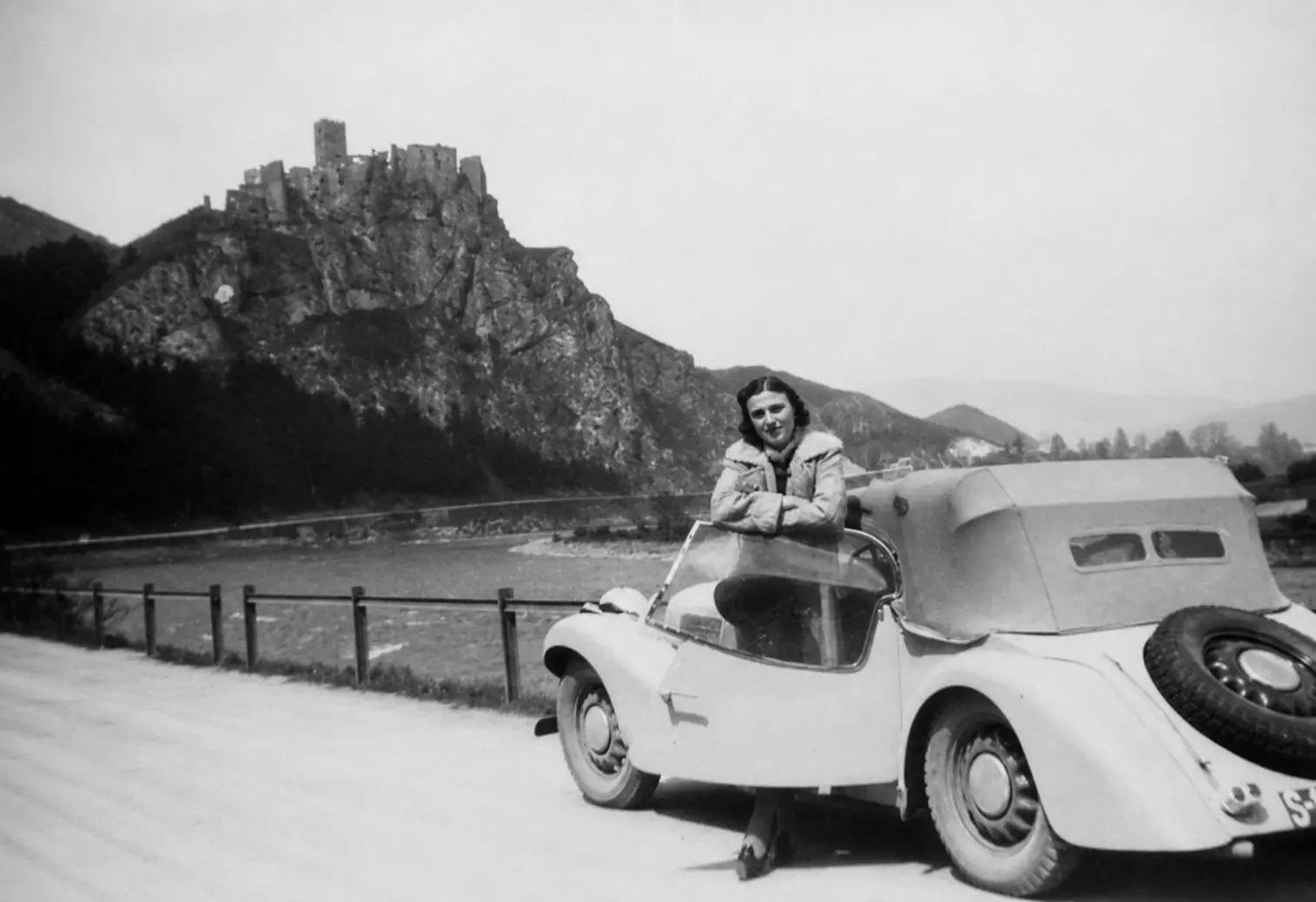
They divorced in April 1935 and Ľudmila returned to Nitra. She was twenty-nine years old. According to the available records, she never flew again.
According to the final investigation report of the Regional Criminal Office in Zlín dated 2 July 1947, Nikolaj Šapošnikov was murdered by partisans in early December 1944 near Liptál. The investigation did not substantiate accusations of betrayal; it considered his reports of theft and personal enrichment by some brigade members a possible motive. His profile discusses the murder and postwar investigation in greater detail.
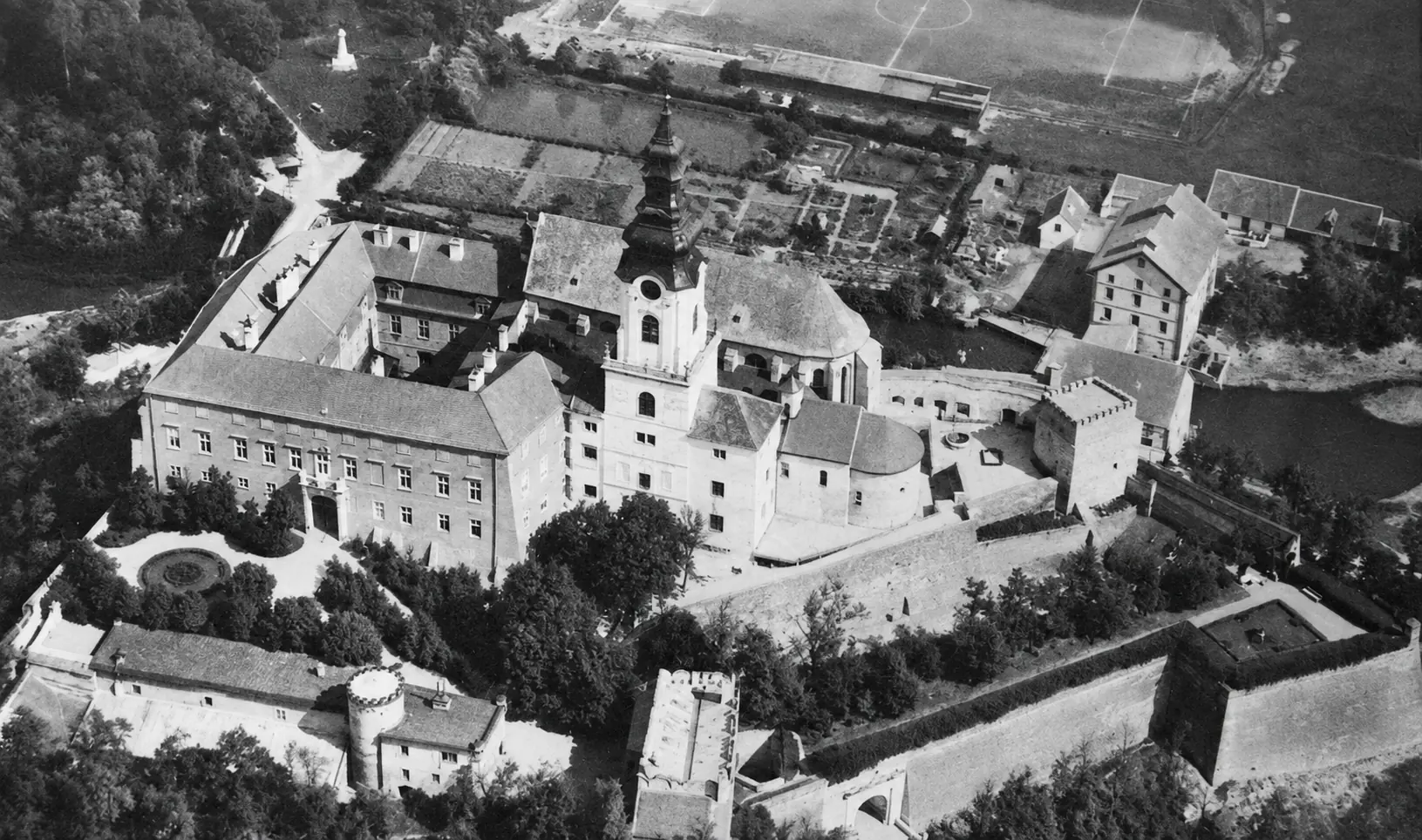
In 1938, Ľudmila married Jozef Aujeský, the owner of a mill in Nitra.
Aujeský’s turbine mill was built in 1884. In 1904 it was illuminated by electric light powered by its own dynamo, which supplied 85 light bulbs. The systematic electrification of the city came only later.
1948
After the communist regime came to power, Aujeský’s mill was nationalised. Ľudmila and Jozef Aujeský subsequently lived much more modestly. Jozef Aujeský died in 1965. As a widow, Ľudmila lived on a small pension in a one-room flat and supplemented her income by knitting.
Towards the end of her life, she was visited by Alžbeta Kapustová, a pilot and aerobatic flyer from Nitra. It is thanks to Kapustová’s interest that the photographs and pilot logbooks of Ľudmila Šapošniková-Aujeská have survived, allowing us to reconstruct her flying life today with a fair degree of accuracy.
Ľudmila Šapošniková-Aujeská died in Nitra on 13 July 1985, aged 79. She is buried at the Municipal Cemetery on Cintorínska Street in Nitra.